Curtis.Castiglione@ROzebra.com

Why Won't My Car Start? Common Causes of a No-Start Problem
Written by Curtis Castiglione
Few experiences are as stressful as getting into your vehicle, turning the key or pressing the start button, and being met with total silence or a struggling engine. When you are left wondering, Why won't my car start?, the answer is rarely a single, universal part failure.
A no-start condition is a symptom that can stem from various systems, including the electrical, fuel, or mechanical components of the engine. To help you understand what is happening, it is best to focus on the specific sounds and behaviors the vehicle exhibits during your attempt to start it.

What the Symptom Sounds and Feels Like
The way your car reacts when you try to start it provides the biggest clue to the underlying problem. Most no-start issues fall into one of four categories:
- Silence or No Response: You turn the key or press the button and absolutely nothing happens. The dashboard lights may not come on, and the engine makes no sound at all.
- A Single Click: You hear one distinct metallic click when you try to start the engine, but the engine does not rotate.
- Rapid Clicking: You hear a fast, 'machine-gun-like' clicking sound coming from the engine bay.
- Cranking but Not Starting: The engine turns over normally (making a 'ruh-ruh-ruh' sound), but it never actually fires up and runs on its own.
Common Causes of a No-Start Problem
Before assuming the worst, consider these frequent culprits that technicians see every day. These are often the first things to investigate when you find yourself asking, why won't my car start?
The Battery and Electrical Connections
This is the most common cause. If you hear rapid clicking or get no response at all, the battery likely lacks the necessary voltage to engage the starter. This could be due to an old battery that can no longer hold a charge, or dirty or loose battery terminals.
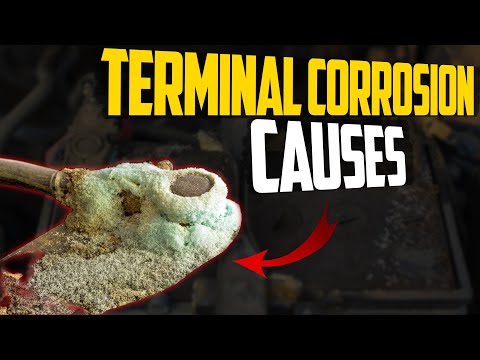
If the terminals are covered in a white, crusty substance (corrosion), electricity cannot flow properly to the rest of the car. Check that the battery cables are secure; a poor connection can mimic the symptoms of a dead battery.
The Starter Motor
The starter is the electric motor responsible for physically spinning the engine to get it started. If you hear a single loud click but the engine does not turn over, the starter motor or its solenoid (the switch that engages the motor) may have failed.
The Alternator
While the alternator does not start the car, it is responsible for charging the battery while you drive. If the alternator fails, your battery will eventually drain, leading to a no-start condition the next time you try to use the vehicle. Replacing a battery without checking the alternator can lead to the same problem a few days later.
Transmission Position
Most modern vehicles have a safety switch that prevents the car from starting unless it is in Park or Neutral. If the car does not recognize that it is in gear, it will stay silent. Sometimes, simply shifting to Neutral or ensuring the lever is firmly in Park can resolve this issue.
Less Common Causes
If the battery and starter are healthy, the problem may lie deeper within the vehicle's computer or fuel systems:
- Fuel System Issues: If the engine cranks normally but won't start, it might not be receiving gasoline. This could be due to a failed fuel pump, a clogged fuel filter, or even an empty tank (even if the gauge says otherwise).
- Ignition and Engine Control: The engine needs a spark to ignite the fuel. If the ignition coils, spark plugs, or engine sensors (like the crankshaft position sensor) are malfunctioning, the engine will spin but never 'catch.'
- Security and Key Fob Issues: Many modern cars use an anti-theft system. If your key fob battery is dead or the car’s security system does not recognize the key, it may disable the starting circuit entirely.
When the Problem is Serious
In most cases, a car that won't start is a failure that occurs while the vehicle is parked. However, some situations require immediate professional attention to prevent further damage.
Stop attempting to start the car and call for a tow if:
- The vehicle stalled while you were driving and now won't restart.
- You smell a strong odor of gasoline.
- You see smoke coming from under the hood.
- You notice any leaking fluids while attempting to start the car.
Continuing to crank the engine in these situations could lead to an electrical fire or severe internal engine damage.
What a Technician May Check
A professional technician will use a systematic approach to narrow down the cause without simply 'throwing parts' at the problem. They will typically:
- Test Battery Voltage: Check the battery's state of charge and its ability to hold a load using a multimeter or specialized tester.
- Inspect Connections: Look for high resistance, loose wires, or corrosion at the battery and starter.
- Scan for Codes: Use a diagnostic scan tool to see if the vehicle's computer has flagged any sensor failures or security issues.
- Verify Fuel and Spark: Check if the engine is receiving the correct fuel pressure and if the ignition system is producing a spark at the right time.

Information to Record Before Seeking Service
To help your mechanic find the problem faster, take note of the following before you call for service:
- The Sound: Did it click, crank, or stay silent?
- Recent History: Did the car struggle to start recently, or did this happen suddenly?
- Dashboard Behavior: Did the dashboard lights dim or flicker when you tried to start it?
- Security Lights: Is the security light on the dashboard blinking or staying on?
- Environment: Did the problem happen during extreme weather, such as extreme cold or a heavy rainstorm?
Questions to Ask a Repair Shop
When you contact a shop, consider asking these questions:
- Do you perform a full starting and charging system test?
- Is there a diagnostic fee to determine why the car isn't starting?
- If the battery is the problem, will you also check the alternator to ensure it is charging properly?
Understanding that a no-start condition is a symptom of many possible issues will help you communicate more effectively with your technician and ensure your vehicle is repaired correctly and safely.



No Comments Yet
Be the first to comment on this article.