Curtis.Castiglione@ROzebra.com

Why Minor Car Accidents Lead to Expensive Repair Bills
By Curtis Castiglione
It is a common scenario: you tap a pole in a parking lot or get into a minor low-speed fender bender. You look at the car and see a small scuff on the bumper or a cracked plastic grille. You assume the repair will cost a few hundred dollars. Then, you receive a professional estimate or a teardown report from a collision center, and the total is four or five thousand dollars.
This disconnect between what you see and what the repair actually requires is one of the most frustrating aspects of modern vehicle ownership. To understand why repair bills have skyrocketed, you have to look past the painted exterior. Modern vehicles are no longer just metal and glass; they are sophisticated mobile computer networks.
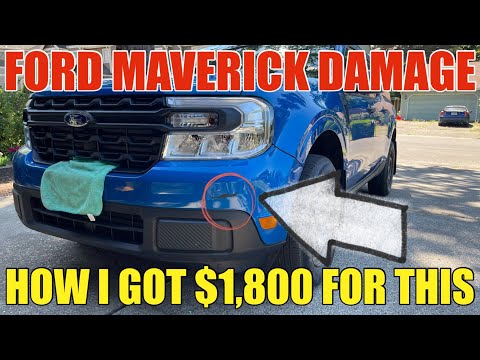
The Technology Hiding Behind Your Bumper
The primary driver of modern repair costs is the integration of Advanced Driver Assistance Systems (ADAS). If your vehicle features automatic emergency braking, adaptive cruise control, lane-departure warnings, or blind-spot monitoring, it relies on sensors, cameras, and radar units hidden behind the exterior panels.
- Front Grilles: Often house radar units for adaptive cruise control. A small crack in the plastic can expose or misalign a sensor that costs over 1,000 dollars for the part alone.
- Bumper Covers: These serve as protective housings for ultrasonic parking sensors and side-radar units. A minor dent can snap a mounting bracket that is molded into the bumper, necessitating a full replacement of the entire cover.
- Headlamps: Modern LED assemblies contain sophisticated electronics. Even if the light still works, a small impact can crack the internal mounting tabs, which are generally not repairable.
The Cost of Calibration
Beyond the parts, these electronic components introduce a significant labor requirement called calibration. When a sensor is moved, removed, or replaced—or even if the structural geometry of the car changes slightly—the vehicle’s computer must be taught where those sensors are pointing.
This requires specialized diagnostic tools, specific targets set up in a controlled environment, and dedicated technician time. Depending on the manufacturer requirements, a single calibration can add several hundred dollars to an estimate.
Why Did My Estimate Change? (The Teardown and Supplement)
A frequent question consumers ask is: Why did my insurance company give me an estimate for 1,200 dollars, but the shop says it will cost 3,500 dollars?
This happens because insurance adjusters often write preliminary estimates based only on what is visible from the outside. Most insurance protocols prohibit adjusters from guessing at internal damage. The real discovery happens during the teardown. Once the shop removes the damaged bumper or trim, they often find hidden damage, such as:
- Crushed energy absorbers (the foam or plastic behind the bumper).
- Bent reinforcements or crash bars.
- Kinked wiring harnesses.
- Fractured radiator supports.
The shop then submits a supplement to the insurance company. This is a standard part of the repair process, but it is why the initial number you receive is rarely the final price.
Materials Matter: Aluminum and High-Strength Steel
In the past, bumpers and fenders were often made of heavy steel that could be hammered back into shape. Today, manufacturers use high-strength steel (HSS), aluminum, and complex plastics to save weight and improve safety.
Structural Integrity: HSS often cannot be heated or straightened without losing its strength. Therefore, parts that once could be repaired must now be replaced entirely to ensure the car performs correctly in a future accident.
Specialized Labor: Aluminum requires specialized welding equipment and a dedicated clean room to prevent cross-contamination with steel dust. This specialized environment often commands a higher labor rate than standard steel repair.
Insurance Coverage vs. Repair Procedures
It is vital to distinguish between your insurance policy and the manufacturer’s repair recommendations. Usually, insurance covers the cost of the repair, but with caveats. Your policy may state that the insurer will pay for Like Kind and Quality (LKQ) parts—which often means recycled parts from a salvage yard or aftermarket parts made by a third party.
However, many manufacturers issue position statements requiring Original Equipment Manufacturer (OEM) parts to ensure ADAS systems function correctly. If your shop insists on OEM parts for safety reasons but your policy only covers aftermarket, you may be responsible for the price spread (the difference in cost).
Note: Insurance policies and state laws vary significantly. You should review your specific policy language and consult with your insurance representative.
Mechanical and Diagnostic Concerns
Even if a car is drivable after a small accident, there may be underlying mechanical issues. A minor impact to a wheel can bend a suspension component that is invisible to the naked eye. This can lead to uneven tire wear, vehicle pulling, or soft codes. These are error codes in the vehicle's computer that do not trigger a dashboard warning light but indicate a fault in a safety system, like electronic stability control.

Professional shops should perform a Pre-Repair Scan and a Post-Repair Scan to document these codes and ensure all systems are cleared before the vehicle is returned to you.
Practical Steps for Vehicle Owners
If you find yourself facing a surprisingly high estimate for a minor accident, take these steps to protect your investment:
- Do Not Sign a Final Authorization Early: Wait until the shop has completed a full teardown and produced a supplemental estimate.
- Request Scan Reports: Ask the facility for the Pre-Repair Scan report. This proves whether a sensor failure was caused by the accident or was a pre-existing condition.
- Verify Calibration: Ask the shop if any ADAS calibrations are required for your specific vehicle. If they say no, ask how they verified that against the manufacturer repair manual.
- Understand Your Policy: Review your coverage regarding rental vehicles, diminished value, and part types (OEM vs. Aftermarket).
- Choose a Qualified Shop: While you have the right to choose your repair facility in most states, be aware that if you choose a shop with labor rates significantly higher than the local market average, you might be responsible for the difference.
A small accident results in a large bill because modern cars are engineered to sacrifice themselves to protect the occupants. The exterior panels are designed to crush and absorb energy, protecting you but destroying the expensive technology underneath. Treating a modern car repair like a simple cosmetic fix is a mistake that can compromise both your wallet and your safety. Always insist on a thorough mechanical and electronic diagnostic as part of the collision estimating process.



No Comments Yet
Be the first to comment on this article.