Curtis.Castiglione@ROzebra.com

Why Is My Car Making a Knocking Noise?
Hearing an unfamiliar sound from your vehicle can be unsettling, especially when it is a repetitive rhythmic thumping or tapping. If you are asking yourself, "Why is my car making a knocking noise?" the answer depends largely on when the sound happens and where it seems to originate. Because a knocking sound is a description of a symptom rather than a specific diagnosis, understanding the context of the noise is the first step in identifying the problem.

What the Symptom Sounds and Feels Like
Knocking is a subjective term. To some drivers, it sounds like a light metallic tapping or clicking, similar to a ballpoint pen clicking rapidly. To others, it may feel like a heavy, dull thud that vibrates through the floorboards or steering wheel.
A light tapping that speeds up as you press the gas pedal often points to a different issue than a heavy clunk that occurs only when driving over a speed bump. To help narrow down the cause, pay attention to these details:
- Consistency: Is the noise constant, or does it come and go?
- Temperature: Does it only happen when the engine is cold, or does it get worse after the car warms up?
- Load: Does the noise get louder when you are accelerating or climbing a hill?
- Movement: Does it happen when turning the wheel or only when the vehicle is stationary?
Common Causes of Knocking Noises
1. Engine Detonation (Spark Knock)
This is one of the most common reasons a driver might ask, "Why is my car making a knocking noise?" It often sounds like metallic pinging or rattling. It occurs when the air-fuel mixture in the engine cylinders ignites in multiple places at once rather than in a single controlled burn. This can be caused by using the wrong octane fuel, carbon buildup inside the engine, or faulty spark plugs.
2. Lack of Lubrication
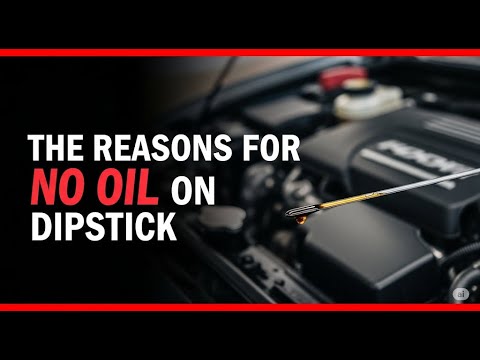
The internal parts of your engine rely on a thin film of oil to move smoothly. If the oil level is very low or the oil pressure has dropped, metal components may tap against each other. This is often heard as a rapid clicking or tapping coming from the top of the engine, often referred to as "valvetrain noise."
3. Worn Suspension Components
If the knocking occurs only when you hit a bump or turn the steering wheel, the engine might be perfectly fine. Instead, parts like strut mounts, ball joints, or rubber bushings may be worn out. When these components fail, they allow heavy metal suspension parts to hit each other, creating a loud knocking or clunking sound.
4. Failing Constant Velocity (CV) Joints
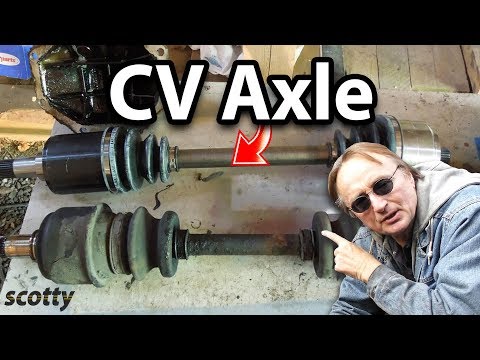
If you hear a rhythmic knocking or clicking specifically when making sharp turns at low speeds, it often indicates a failing CV joint. This part transfers power to the wheels, and when the protective grease boot tears, the joint wears down and begins to bind.
Less Common Causes
Sometimes the noise isn't related to the engine's core or the suspension.
- Exhaust Components: Loose or damaged exhaust heat shields can vibrate against the underside of the car, mimicking a knocking sound during acceleration.
- Accessory Bearings: A failing alternator or water pump bearing can create a rhythmic knocking sound that mimics an internal engine problem.
When the Problem Is Serious
Some knocking noises require you to stop driving immediately to avoid catastrophic damage or a safety hazard.
- Internal Engine Knock (Rod Knock): A deep, heavy, metallic thud that gets louder as you accelerate is often "rod knock." This indicates that a vital internal bearing has failed. If you continue to drive, the engine could seize or a component could break through the engine block.
- Loss of Steering or Braking: If a knocking sound is accompanied by a loose feeling in the steering wheel or a pulling sensation when braking, a suspension or steering component may be near total failure. This is a safety emergency.
What a Technician May Check
Because so many issues can cause a knock, a professional technician will start with a visual inspection and a road test to reproduce the sound.
To diagnose engine-related knocks, they may use a mechanic's stethoscope to pinpoint the exact location of the sound. They might also check the oil condition, perform a compression test, or use a diagnostic scan tool to look for "knock sensor" codes or ignition timing issues. For suspension noises, they will place the vehicle on a lift to check for "play" (unwanted movement) in the wheels and inspect rubber components for tears.

What Information to Record Before Seeking Service
Before you take your car to a shop, take note of the following to help the technician:
- Does the noise happen when the engine is cold, or only after driving for 20 minutes?
- Does the sound change speed when the vehicle moves faster, or does it change when the engine revs up while the car is parked?
- Do you feel the knock in the steering wheel or the brake pedal?
- Is the noise coming from the front, the rear, or underneath the seat?
Questions to Ask a Repair Shop
When you drop off your vehicle, consider asking these questions:
- "Can we go for a short drive so I can demonstrate the specific noise I am hearing?"
- "Is this sound related to the engine's internal health or the vehicle's handling and suspension?"
- "Is the vehicle safe to drive in its current condition, or could this lead to a sudden breakdown?"
A knocking sound is your vehicle's way of communicating that a component is no longer fitting or moving as intended. While some knocks are minor adjustments, others are early warning signs of major repairs. Early professional inspection is the best way to prevent a small noise from turning into a major breakdown.
Written by Curtis Castiglione.



No Comments Yet
Be the first to comment on this article.