Curtis.Castiglione@ROzebra.com

Why Insurance Totals Repairable-Looking Cars
It is a common source of frustration for vehicle owners: you walk out to your driveway, look at your car after a moderate accident, and see a crushed fender or a broken headlight. The car starts, it drives, and from the outside, it appears perfectly fixable. Yet, a few days later, an insurance adjuster calls to inform you that the vehicle is a total loss.
How can a car that looks drivable be destined for the salvage yard? The answer rarely lies in the visual severity of the impact; instead, it is a cold financial calculation based on the relationship between modern repair complexities and the vehicle's market value.
The Math Behind the Total Loss Label
In insurance terms, a total loss isn't a description of the damage—it's a financial threshold. An insurance company typically declares a vehicle a total loss when the estimated cost of repairs, plus the projected salvage value (what the wrecked car is worth at auction for parts or scrap), exceeds the vehicle's Actual Cash Value (ACV).
Most states have a specific Total Loss Threshold, often ranging between 60% and 80% of the ACV. If a car is worth $15,000 and the state threshold is 75%, a repair estimate of $11,250 will trigger an automatic total loss. Because modern repair costs can escalate rapidly during the teardown process, insurers often total a car early to avoid supplemental costs that would eventually push it over the limit anyway.
Why Modern Repairs Are So Expensive
The reason a repairable-looking car gets totaled often comes down to what lies beneath the plastic panels. Modern vehicles are significantly more complex than those built even a decade ago. Here is why seemingly minor damage produces massive repair bills:
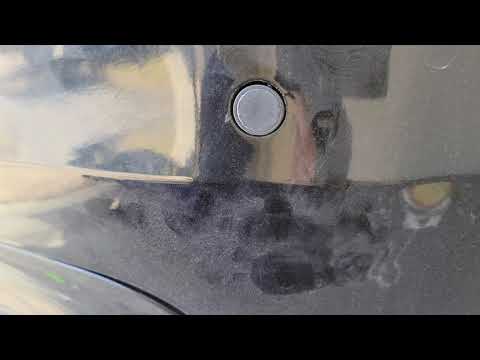
1. Advanced Driver Assistance Systems (ADAS) Behind a plastic bumper cover or inside a side-view mirror, there are often radar sensors, ultrasonic sensors, and cameras. A minor tap to a bumper can break a $1,000 sensor. Even if the sensor survives, manufacturer procedures usually require a post-repair calibration. This requires specialized diagnostic tools and labor-intensive setups to ensure the automatic braking or lane-keep assist functions correctly. Calibration alone can add hundreds, if not thousands, to an estimate.
2. Airbags and Safety Restraints If an airbag deploys, the cost of the repair skyrockets. It is not just the bag itself; you must often replace the clock spring, impact sensors, the SRS control module, and sometimes the entire dashboard or seat upholstery. Furthermore, many modern vehicles feature active seatbelt pretensioners. These are one-time-use pyrotechnic devices that lock the belt during a collision. They must be replaced even if the airbags did not deploy.

3. Structural and High-Strength Steel Older cars were made of mild steel that could be straightened with a frame machine. Modern cars use High-Strength Steel (HSS) and aluminum to protect passengers and reduce weight. HSS is designed to absorb energy by deforming, but it often cannot be straightened without losing its integrity. If a structural component is slightly kinked, OEM (Original Equipment Manufacturer) procedures frequently dictate that the entire section must be cut out and replaced at a factory seam. This is labor-intensive and requires specialized welding or riveting equipment.
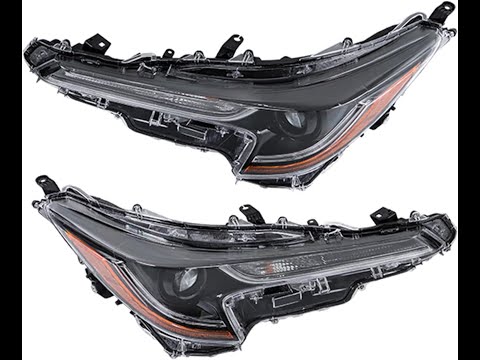
4. Advanced Lighting Systems A single LED or Matrix-style headlamp assembly on a late-model vehicle can cost between $2,000 and $5,000 for the part alone. A minor front-end collision that breaks two headlamps can consume half of the repair budget before a single hour of labor is even billed.
The Inspection: Why Estimates Change
The initial estimate you receive from an insurance appraiser is often a visual estimate. It only covers what can be seen without taking the car apart. To get a true picture, a collision center must perform a teardown or disassembly. Once the bumper and fenders are removed, the shop may find:
- Cracked radiator supports.
- Bent frame rails or aprons.
- Damaged wiring harnesses.
- Leaking cooling components like condensers or intercoolers.
When these items are found, the shop submits a supplement—a request for additional funds. If an initial $5,000 estimate jumps to $9,000 after teardown, a borderline vehicle will be moved into the total loss category.

What Should You Do If Your Car Is Totaled?
If you believe your car is worth more than the insurance company's valuation, you have the right to challenge the Actual Cash Value.
- Review the Valuation Report: Ask the adjuster for the third-party report used to determine the value. Check for accuracy regarding mileage, trim level, and options.
- Provide Documentation: If you recently installed new tires, had a major mechanical overhaul (like a new transmission), or if the car was in excellent rather than average condition, provide receipts and photos.
- Check the Comps: Ensure the comparable vehicles used in the report are actually similar to yours and located in your geographic area.
Common Mistakes to Avoid
- Assuming It Drives Fine Means It Is Safe: A vehicle with a compromised structural rail or a disabled sensor may drive straight, but it will not protect you correctly in a second accident.
- Ignoring the Salvage Title: If you choose to keep a totaled car (called owner retention), it will usually be issued a salvage title. This significantly reduces the resale value, may make the car difficult to insure, and could prevent you from financing it in the future.
- Overlooking Rental Costs: Insurance companies factor in the cost of a rental vehicle while your car is in the shop. If parts are on backorder and the repair is expected to take six weeks, those rental fees can be the tipping point that causes the insurer to total the car.
Summary: Documentation is Key
Every insurance policy and state regulation is different. If you find yourself in a dispute over whether your car should be repaired, ask the estimator for the full line-item estimate and the OEM repair procedures. Understanding the technical requirements of the repair—such as mandatory scans and calibrations—will help you understand why the insurance company made the decision to total the vehicle.
If you cannot reach an agreement, consult your policy's appraisal clause or speak with a qualified collision repair professional who can explain the specific technical needs of your vehicle.



No Comments Yet
Be the first to comment on this article.