Curtis.Castiglione@ROzebra.com

Why Insurance Companies Total Seemingly Repairable Cars
By Curtis Castiglione
It is a common source of frustration for vehicle owners: you walk out to the driveway after a moderate collision, see a dented fender and a deployed airbag, and assume the car is easily fixable. A week later, your insurance adjuster calls to inform you the vehicle is a total loss.
To the naked eye, the car looks like it could be back on the road in a few days. However, to a professional estimator or a technician, the math and the modern technology hidden beneath the sheet metal tell a different story.
Why was my car totaled if the damage looks minor?
In the simplest terms, an insurance company declares a vehicle a total loss when the cost to repair it—combined with the vehicle’s scrap or salvage value—is not economically feasible compared to the vehicle’s Actual Cash Value (ACV).
The reasoning usually comes down to one of two methods used by insurers:
- Total Loss Threshold: Some states mandate that if repairs reach a specific percentage of the car’s value (often 70% to 80%), the car must be totaled.
- Total Loss Formula (TLF): The insurer calculates: Cost of Repair + Predicted Salvage Value > Actual Cash Value. If the math doesn't work, the car is totaled.
Because modern vehicles are essentially computers on wheels, repair costs escalate far faster than they did a decade ago.
The Hidden Cost of Modern Technology (ADAS)
In the past, a bumper was a piece of chrome-plated steel designed to take a hit. Today, a bumper is a complex fascia housing a system of energy-absorbing foam and sensitive electronics.
Behind that plastic cover, you will find:
- Radar sensors for adaptive cruise control.
- Ultrasonic sensors for parking assistance.
- Cameras for 360-degree viewing.
A minor fender bender that barely scrapes the paint can misalign a radar bracket or crack a sensor housing. These components often cost hundreds or even thousands of dollars each. Furthermore, once a sensor is replaced or even moved, many vehicle manufacturers (OEMs) require a calibration. This is a precise electronic procedure requiring specialized targets, specific floor space in a shop, and diagnostic software. Calibration alone can add significant labor costs to what used to be a simple part replacement.
Safety Systems: The Airbag Factor
The most common reason a good-looking car gets totaled is the deployment of safety systems. If the airbags deploy, the repair cost skyrockets instantly for several reasons.
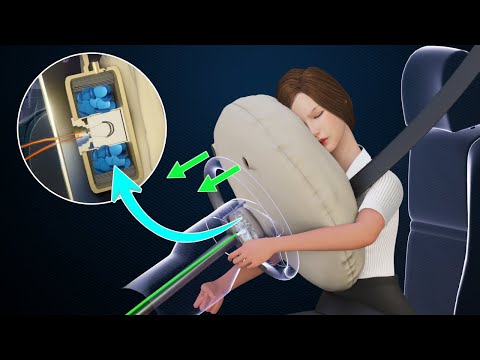
- System-Wide Replacement: It is rarely just the cost of the airbag itself. Manufacturers typically require the replacement of the airbag control module, the clockspring in the steering wheel, impact sensors, and seatbelt pretensioners.
- Interior Damage: In many vehicles, the passenger-side airbag is integrated into the dashboard. When it deploys, it rips the dash pad open. Replacing a dashboard requires the entire interior of the car to be disassembled, adding massive labor hours to the estimate.
Structural Integrity and High-Strength Steel
Modern vehicles use high-strength steel (HSS) and aluminum in specific areas to protect passengers. These materials are often one-time-use.
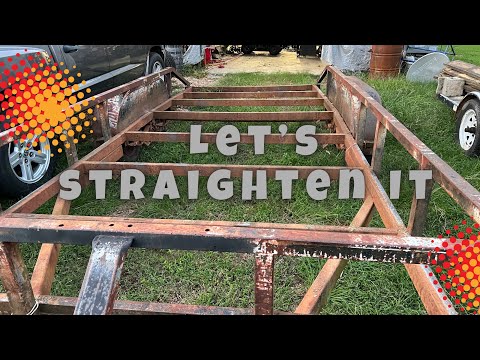
If a structural pillar or a frame rail is kinked, it often cannot be straightened with traditional frame equipment because the metal loses its structural integrity once bent. In these cases, the manufacturer may require the replacement of an entire structural section. This involves an extensive teardown, where technicians must remove the engine, suspension, or interior components just to reach the damaged area.
The Role of the Supplement and Hidden Damage
When an insurance adjuster first looks at your car in a driveway or a tow lot, they are writing a visual estimate. They can only see the surface.
Once the car is moved to a repair facility and the teardown begins, the shop often finds hidden damage. For example:
- A hit to the front wheel might look like a simple cosmetic scratch on the rim, but an alignment check may reveal a bent subframe or a damaged steering rack.
- Damage to the cooling system (radiator, condenser) may be hidden behind an intact bumper cover.
The shop then submits a supplement—an additional request for funds—to the insurance company. If the initial estimate was already close to the total loss threshold, the discovery of hidden mechanical or structural damage will almost always push the car over the limit.
What Should I Do If My Car Is Totaled?
If your car is declared a total loss but you believe it should have been repaired, you have the right to documentation.
1. Request the Valuation Report
Check this document for accuracy. This is how the insurance company determined what your car was worth before the accident. Ensure it correctly lists:
- Exact mileage.
- All options (leather seats, sunroof, upgraded sound system).
- Recent major maintenance (new tires, engine work) supported by receipts.
An increase in your car’s ACV can sometimes move a vehicle back into the repairable category.
2. Review the Final Estimate
See if the shop is using new OEM parts or less expensive aftermarket/recycled parts. While you want your car fixed correctly, the use of alternative parts can sometimes lower the estimate enough to prevent a total loss. However, you should consult with the repair facility to ensure this does not compromise the safety or warranty of the vehicle.
3. Understand Owner Retention
Some states allow you to keep a totaled car. The insurance company pays you the ACV minus the salvage value. However, this results in a salvage title, which can make the car extremely difficult to insure and significantly lowers its future resale value.
Summary Checklist for Owners
- Don't authorize repairs until you have a final, agreed-upon price between the shop and the insurer.
- Review your policy: Coverage for OEM parts or New Car Replacement can change the math significantly.
- Consult professionals: If there is a disagreement over the repairability of a car, prioritize the manufacturer-recommended repair procedures (OEM procedures) over the insurer's cost-saving suggestions. Safety should always be the primary concern.
Note: Insurance policies and state laws regarding total losses vary significantly. Always review your specific policy and consult with your insurance company or a qualified collision professional regarding your claim.



No Comments Yet
Be the first to comment on this article.