Curtis.Castiglione@ROzebra.com

Why a Shop Air Hose Reel Is Worth Installing
Why a Shop Air Hose Reel Is Worth Installing
Compressed air is one of the most versatile power sources you can have in a garage. Whether you are using a pneumatic impact wrench to swap summer tires for winter ones on a pickup truck or just using a blow gun to clean dust out of a radiator, having air on demand is incredibly helpful.
However, anyone who has used a standard air compressor knows the struggle of dealing with the hose itself. Most portable compressors come with a loose, plastic-feeling hose that stays coiled like a stubborn spring or lies in a tangled heap on the floor. This is where a shop air hose reel becomes a game-changer for your collection of automotive tools and general garage organization. It turns a frustrating mess of tubing into a streamlined system that is ready to work when you are.
What Is a Shop Air Hose Reel?
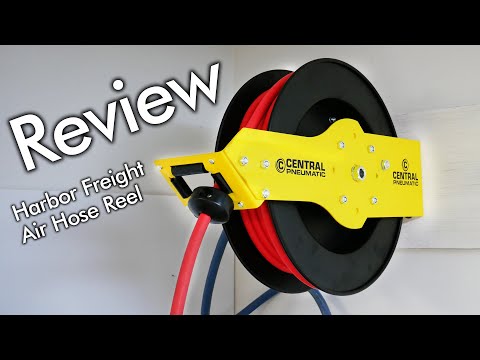
A shop air hose reel is a specialized storage device designed to hold, deploy, and retract a compressed air hose. Think of it like a heavy-duty garden hose reel, but built specifically for high-pressure air systems.
It consists of a circular spool (the drum) housed within a frame or a protective outer casing. The reel is connected to your stationary or portable air compressor via a short "lead-in" hose. The main length of the hose—usually 25 to 50 feet—is wrapped around the central drum. Most reels used in automotive settings are spring-loaded, meaning they have an internal "clock spring" mechanism that automatically pulls the hose back onto the spool when you are finished with it.
What Does a Shop Air Hose Reel Do?
The primary job of a reel is management and protection. In a busy environment where you are moving around vehicles and heavy mechanic tools, floor space is at a premium.
Beyond just organization, a reel performs several key functions:
- Protection from Damage: In a garage, hoses are often subjected to being stepped on, run over by car tires, or exposed to spilled oil and chemicals. By keeping the hose on a reel, you minimize these risks.
- Safety: A loose hose is a major trip hazard. By retracting the hose when it is not in use, you keep the floor clear for walking and moving floor jacks.
- Efficiency: A reel serves as a central hub for your air supply. It allows you to pull out exactly the amount of hose you need for the task at hand without having thirty feet of extra tubing cluttering your workspace.
How Is a Shop Air Hose Reel Used?
Using a shop air hose reel is very straightforward, which is why it is such a popular piece of automotive equipment.
Most reels feature a ratcheting locking mechanism. As you pull the hose out, you will hear a series of rhythmic clicks. When you stop pulling immediately after a click, the reel locks the hose in place. This is crucial because it prevents the spring tension from pulling back against your hand while you are trying to work on a vehicle.
Once you are finished filling a tire or using an air tool, you give the hose a short, firm tug. This releases the internal latch, and the spring tension begins to pull the hose back into the housing. It is a best practice to "walk" the hose back to the reel rather than just letting it go. Guiding it back ensures the hose wraps evenly and does not whip around and hit a vehicle's paint or your own shins.
When Would You Need a Shop Air Hose Reel?
You would find a hose reel useful in almost any scenario involving air-powered vehicle repair tools.
For example, if you are performing a brake job on a vehicle supported by jack stands, you often need to move from the front wheels to the rear wheels. A reel allows you to pull the hose to the back of the car without it getting caught under the tires or tangled in the jack.
Another common use is during general maintenance. If you have a large garage or a long driveway, a wall-mounted reel near the door allows you to reach the tires of a vehicle parked outside without having to lug a heavy, noisy air compressor across the pavement. For those building a collection of DIY automotive tools, it turns a tedious chore into a quick, five-minute task.

Types of Shop Air Hose Reels
There are three main variations you will encounter when looking at garage tools:
- Manual Crank Reels: These are the simplest and most affordable. They require you to turn a handle to wind the hose back up. While they are durable, they are less convenient for a fast-paced environment.
- Spring-Driven Automatic Reels: These are the most common in automotive shops. They use an internal spring to retract the hose automatically. They can be "open-spool" (where you see the hose) or "enclosed" (where the hose is inside a plastic or metal box).
- Motor-Driven Reels: Usually reserved for very long or heavy hoses in professional automotive equipment setups, these use an electric motor to wind the hose back in. These are rarely necessary for a standard home garage.
What Should You Look for When Choosing a Shop Air Hose Reel?
When you decide that a shop air hose reel is worth installing, consider these factors:
- Hose Material: This is the most important factor. Low-end hoses are often made of stiff PVC, which becomes nearly impossible to work with in cold weather. Look for rubber or "hybrid" polymer hoses. Hybrid hoses are lightweight, do not kink easily, and stay flexible even when the temperature drops.
- Hose Length and Diameter: A 50-foot hose is standard for most home garages. For diameter, 3/8-inch is the standard for most automotive work. It provides enough air volume (measured in Cubic Feet per Minute, or CFM) for impact wrenches and spray guns. A 1/4-inch hose is lighter but may "starve" high-flow tools of the air they need to work properly.
- Mounting Options: Look for a reel with a swiveling base. This allows the reel to turn toward you as you move around the car, preventing the hose from rubbing against the edges of the reel housing, which can cause premature wear.
- PSI Rating: Ensure the reel and the hose are rated for the maximum pressure your compressor can produce. PSI stands for Pounds per Square Inch. Most garage compressors top out at 125 to 150 PSI, and most quality reels are rated for 250 to 300 PSI.
DIY vs. Professional Use
For a DIYer, a mid-range plastic enclosed reel is often sufficient. It looks clean on the wall and protects the hose from dust and grime. While it might not have the heavy-duty metal frame of a professional unit, it is perfectly capable of handling weekend projects and tire maintenance.
For professional use or heavy restoration work, an all-steel open-frame reel is usually preferred. These are built to handle the abuse of being pulled hundreds of times a week. However, the convenience benefit remains the same regardless of your skill level; both hobbyists and pros benefit from a cleaner, safer workspace. Having a reliable air source is just as vital as having high-quality car diagnostic tools when you are trying to troubleshoot a complex mechanical issue.
Common Mistakes When Using a Shop Air Hose Reel
The most frequent mistake is "dry firing" the retraction. This happens when a user releases the hose and lets it zip back to the reel at full speed. This can break the internal locking teeth, damage the hose nozzle, or cause the hose to bind up on the spool. Always guide the hose back with your hand to maintain control.
Another mistake is mounting the reel to an unstable location. Because you have to pull against spring tension, the mounting bracket needs to be bolted into a wall stud or a solid ceiling joist. If you mount it just to drywall, the reel will eventually pull right out of the wall, potentially causing injury or damaging your car tools.
Safety Considerations
Working with compressed air requires respect and proper safety habits:
- Check Fittings: Always ensure your fittings (the metal connectors at the end of the hose) are tightened properly. A loose fitting can turn into a projectile if it blows off under pressure.
- Mind the Trip Zone: While a reel helps keep the floor clear, the segment of hose currently in use is still a hazard. Always try to route the hose around the perimeter of your work area rather than straight across a walking path.
- Inspect the Hose: If you see a bulge or a deep nick in the hose on your reel, replace the hose immediately. A burst air hose can whip violently and cause injury or damage to the vehicle you are working on.
Frequently Asked Questions
Can I replace the hose on a reel if it gets damaged?
Yes, most quality reels allow you to unspool the old hose and attach a new one to the internal fitting. You just have to be careful to maintain the spring tension during the process so the reel still retracts properly.
Do I need a special compressor to use a hose reel?
No, any standard air compressor can be connected to a hose reel. You simply need a short "lead-in" hose to bridge the gap between the compressor tank outlet and the reel inlet.
Where is the best place to mount an air hose reel?
The most common spot is next to the garage door or centered on a side wall about six feet off the ground. This provides the best reach for vehicles parked both inside the garage and in the driveway.
Conclusion
A shop air hose reel is one of those car tools that you do not realize you need until you have one. It transforms the experience of using compressed air from a tangled mess of plastic tubing into a professional, streamlined workflow. By keeping your workspace safe, protecting your equipment, and saving time during every repair or maintenance task, a hose reel proves to be a valuable addition to any automotive workspace. Whether you are a beginner or a seasoned mechanic, the organization and ease of use provided by a reel make it an upgrade well worth the effort of installation.



No Comments Yet
Be the first to comment on this article.