Curtis.Castiglione@ROzebra.com

What Is the Cheapest Way to Start Amateur Racing?
The most common misconception in motorsports is that you need a six-figure bank account, a dedicated race car, and a dually truck with a 30-foot trailer to get on track. While professional racing is indeed expensive, amateur grassroots racing is more accessible than most people realize.
The cheapest way to start isn't about finding the lowest sticker price on a car; it is about choosing a discipline that minimizes running costs and maximizes your "seat time"—the actual minutes spent driving at the limit.
1. The Lowest Barrier to Entry: Autocross (Solo)
If you want to start racing this weekend for less than the cost of a nice dinner, Autocross is the answer. These events are typically held in large parking lots or abandoned airfields, where a course is marked out by plastic cones.
- Why it is cheap: You can use your daily driver exactly as it sits.
- Entry Fees: Typically $40 to $100 per event.
- Minimal Wear: Because you are racing against a clock one car at a time at lower speeds, you won't incinerate your tires or brake pads in a single afternoon.
- No Special Gear: Most clubs provide "loaner" helmets, and you do not need specialized fire suits or roll cages for street-class competition.
Autocross teaches you the fundamentals of car control—weight transfer, braking points, and finding the line—without the high-speed risks of a concrete wall.
2. High-Performance Driver Education (HPDE)
Once you have mastered car control in a parking lot, the next step is a Track Day or HPDE. While these are technically non-competitive (no trophies are handed out), they offer the high-speed road course experience most enthusiasts crave.
Expect costs to scale up here. A typical weekend budget looks like this:
- Entry Fee: $200 to $500 per day.
- Fuel: Expect to burn through a full tank (or more) in four 20-minute sessions.
- Consumables: High-speed braking and cornering will wear down your pads and tires significantly faster than street driving.

3. The Best First Race Car is the One You Already Own
The biggest mistake beginners make is buying a "project" race car that does not run. A car sitting on jack stands in your garage provides zero experience.
As long as your current vehicle is in good mechanical condition, it is likely the cheapest way to start. To pass a basic Technical Inspection (Tech), your car generally needs:
- No leaks: Oil, coolant, and brake fluid must stay inside the car.
- A secure battery: It cannot move when shaken.
- Firm brake pedal: No "spongy" feel.
- Good tires: No cords showing and adequate tread depth.
- Functioning seatbelts: Factory 3-point belts are usually sufficient for beginner tiers.
4. Essential Pre-Track Maintenance
Before spending money on "go-fast" parts like carbon fiber wings or cold air intakes, spend it on reliability. If your car breaks in the first session, you have wasted your entry fee.
- Brake Fluid Flush: This is non-negotiable. Switch to a high-quality DOT 4 fluid. High-performance driving generates immense heat; street fluid will boil, leading to a terrifying "soft pedal" going into a turn.
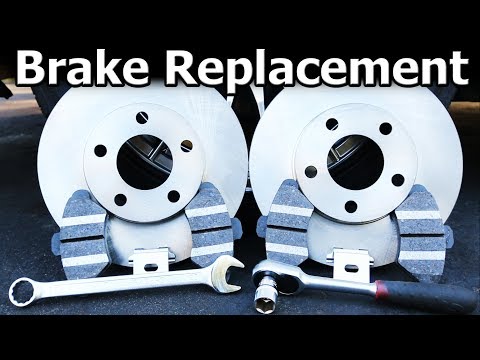
- Brake Pads: If you are headed to a full track, ensure you have at least 70% pad life. For your first few events, a "street/track" hybrid pad is a good investment.
- Fresh Oil and Coolant: Racing subjects your engine to sustained high RPMs. Ensure your cooling system is pressurized and your oil is fresh.
5. The Trap of Unnecessary Modifications
New racers often try to "buy" speed. However, in amateur racing, the driver is almost always the slowest part of the car.
Focus on Driver Development
If you have $2,000 to spend, spending it on four sets of entry fees and more tires will make you a faster driver than spending $2,000 on a turbocharger. Power makes you fast on the straights; practice makes you fast everywhere.
Beware of Racing Classes
Every modification you make can move you into a different "class." If you add an aftermarket suspension to your stock Honda Civic, you might be bumped from a "Stock" class to a "Modified" class where you will be forced to compete against seasoned veterans on racing slicks. Read the rulebook of your chosen organization (SCCA, NASA, etc.) before you turn a single wrench.
6. Choosing a Sustainable Platform
If you eventually decide to buy a dedicated track car, look for running costs, not just the purchase price. A cheap, old European luxury car might be fast, but the cost of its specialized brake rotors and sensors will bankrupt a grassroots budget.
The "Gold Standard" Budget Cars:
- Mazda Miata (NA/NB/NC): Massive aftermarket support, light on tires and brakes.
- Honda Civic/Acura Integra: Reliable, easy to work on, and parts are available at any local auto store.
- Toyota 86 / Subaru BRZ: Excellent modern chassis with a huge community.
7. Safety Equipment: Where to Save and Where to Spend
- Spend (Buy New): Helmets. Never buy a used helmet; you do not know if it has been dropped or involved in an impact. Ensure it is SA-rated (e.g., SA2020), not M-rated (motorcycle).
- Save (Buy Used): Wheels and Tools. As long as a wheel isn't cracked or bent, a used set of rims for your track tires is a great way to save money. Floor jacks, jack stands, and torque wrenches can also be sourced used.
8. The "Reality Check" Budget
To keep showing up, you need a realistic view of the costs. A typical weekend at a road course (HPDE) often totals approximately $1,075:
- Entry Fee: $400
- Fuel: $100
- Tires (Pro-rated wear): $150
- Brakes (Pro-rated wear): $75
- Track Insurance (Optional): $150
- Food and Lodging: $200
The bottom line is that the cheapest program is the one that allows you to keep showing up. If $1,000 a weekend is too steep, stick to Autocross where you can refine your skills for $60. The goal is to be on the track, not in the paddock working on a car you cannot afford to drive.



No Comments Yet
Be the first to comment on this article.