Curtis.Castiglione@ROzebra.com

Understanding Modern Collision Repairs and Insurance Estimates
When you are involved in a car accident, the initial estimate you receive from an insurance company often feels like a definitive roadmap for the repair. However, as many vehicle owners quickly discover, the final invoice rarely matches that first piece of paper. To understand why repair costs fluctuate, you have to look past the dented metal and understand how modern vehicles are built, how force travels through a chassis, and how the insurance supplement process actually works.
Why Did My Insurance Estimate Increase After the Shop Started?
It is a common scenario: you drop off a vehicle like a 2020 Ford Transit after a front-corner impact. The initial estimate shows a new headlamp and a fender repair. Three days later, the shop calls to say the cost has doubled. This happens because insurance adjusters usually write visible estimates, documenting only what they can see without taking the car apart. The real work begins during the teardown.
On a vehicle like the Ford Transit, a front-corner impact often affects the components hidden behind the plastic fascia:
- Headlamp Mounting Brackets: Even if the lens isn't shattered, the plastic tabs that hold the light in place often snap. If these aren't replaced, your new headlight will vibrate or point in the wrong direction.
- The Radiator Support: This is the structural framework that holds your cooling system and helps align the hood and fenders. If it is pushed back even a few millimeters, the body panels won't line up during reassembly.
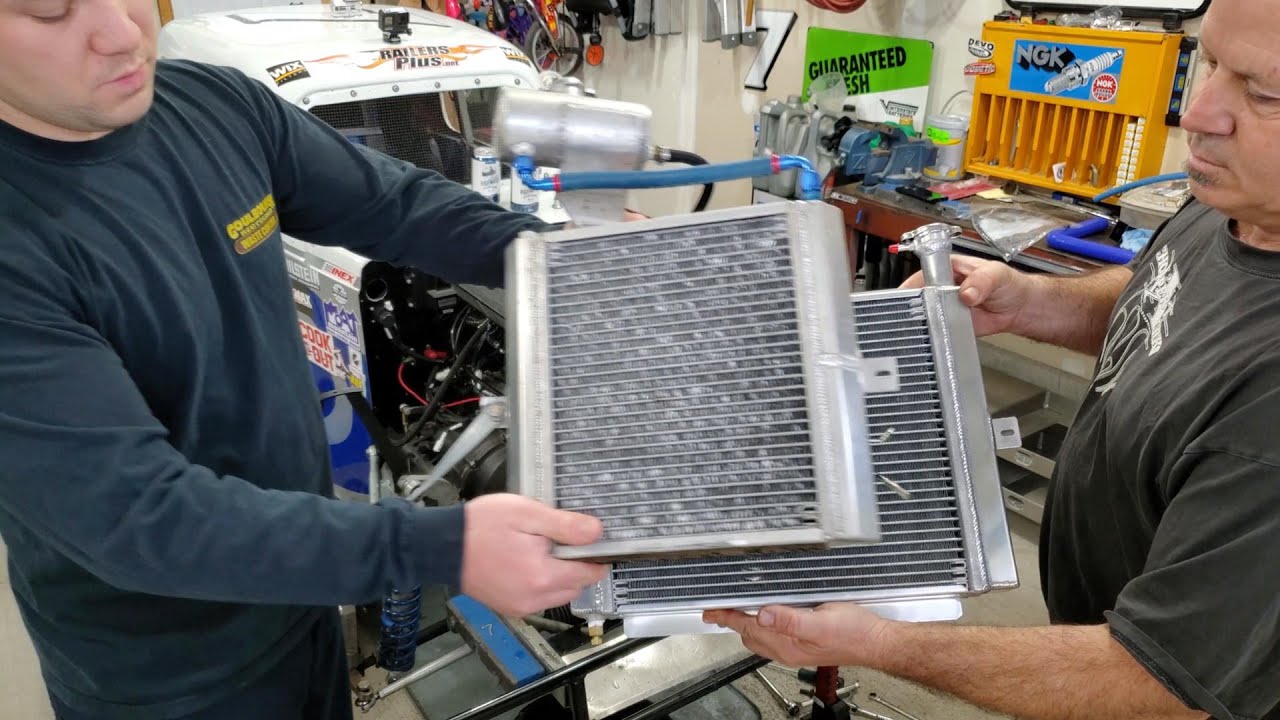
- The Cooling Package: Behind that fender sits the radiator, the A/C condenser, and the cooling fan assembly. Impact force can bend cooling fins or create hairline cracks in plastic tanks that don't leak until the engine reaches operating temperature.

When a shop finds this damage, they submit a supplement—a request to the insurance company for additional funds and parts. This isn't the shop padding the bill; it is the result of a thorough inspection that was impossible to perform while the vehicle was still assembled.
Does Auto Insurance Cover Mechanical Damage After an Accident?
Many owners believe that collision insurance is only for body work and that mechanical issues are their own responsibility. In reality, if a mechanical failure is a direct result of the impact, it is a covered part of the claim. Proving this, however, requires a professional diagnostic process.
Consider a 2019 Toyota Highlander that takes a hit to the front wheel. While the fender might look fine, the kinetic energy from the crash travels through the wheel and into the suspension.
Critical Components to Inspect After a Wheel Impact
- Wheel Hub and Bearing: The impact can create small dents in the internal races of the bearing, leading to a humming noise weeks after the repair is finished.
- Steering Knuckle: This heavy iron or aluminum piece can bend, ruining the vehicle's geometry and handling.
- ABS Sensor and Wiring: Modern safety systems rely on thin wires located near the wheel. A slight tug during a collision can cause intermittent dashboard warning lights or electronic faults.
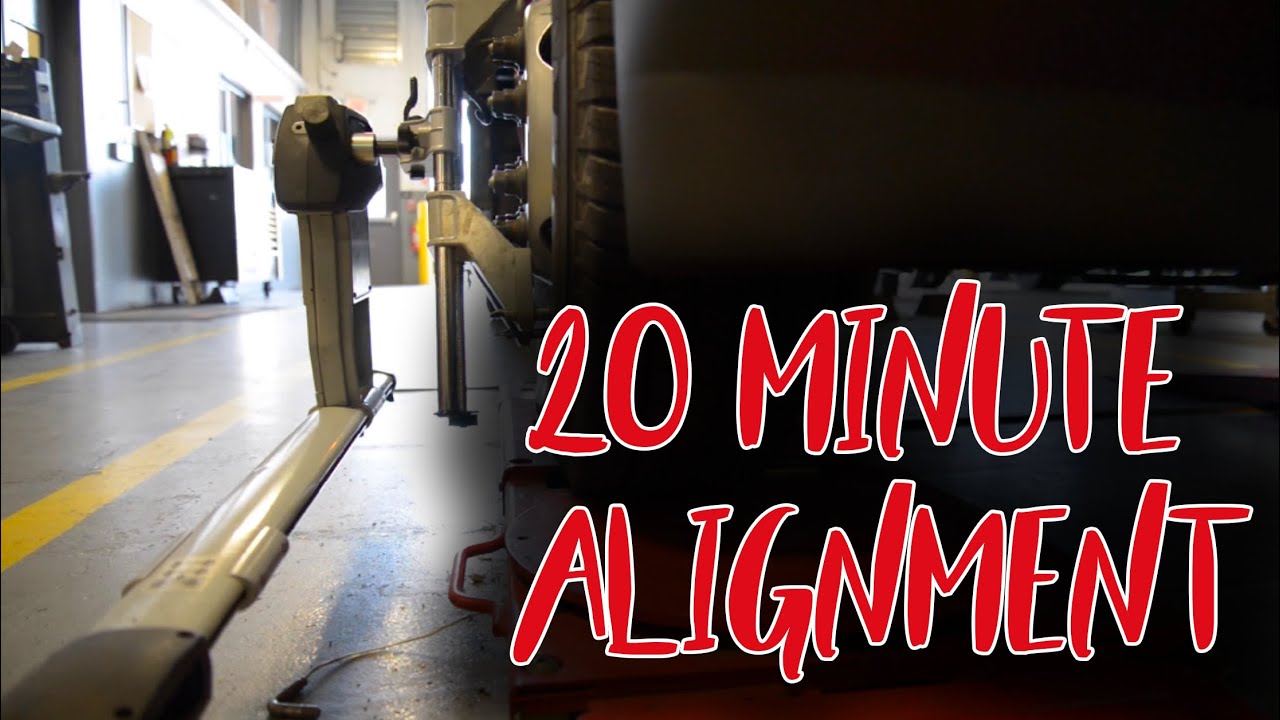
Important Note: A wheel alignment is a diagnostic tool, not a repair. If a shop tells you they performed an alignment to fix a pull, ask for the printout. If the measurements are still out of spec, it means a hard part—like a control arm or tie rod—is physically bent and must be replaced.
Why Do Modern Car Repairs Cost So Much?
If you feel like a minor fender bender costs as much as a used car once did, you aren't imagining it. The culprit is rarely the cost of the plastic or metal; it is the technology and materials used in modern manufacturing.
ADAS and Calibration
Most vehicles produced in the last several years are equipped with Advanced Driver Assistance Systems (ADAS). This includes the cameras and radar sensors that power your emergency braking, lane-keep assist, and adaptive cruise control.
- If a shop replaces a windshield or a bumper cover, these sensors must be calibrated.
- This requires specialized software and targets. If this step is skipped, your safety systems may not react correctly—or may slam on the brakes for no reason.
High-Strength Materials
Automakers now use high-strength steel and aluminum to keep cars light and safe. Unlike the heavy steel of the past, these materials often cannot be straightened. If an internal frame rail or an aluminum structure is kinked, the manufacturer’s repair procedure usually mandates a full component replacement at a factory seam to maintain the vehicle’s structural integrity in a future crash.
What If My Insurance Company and Body Shop Disagree?
Disagreements usually arise over two things: labor rates and parts selection.
- Parts Selection: Your policy likely allows the insurer to specify Like Kind and Quality (LKQ) parts. This means they may pay for a recycled part from a salvage yard or an aftermarket part rather than a New Original Equipment Manufacturer (OEM) part. If your shop argues that an aftermarket part won't fit or won't allow a sensor to calibrate, ask them for the vehicle manufacturer’s Position Statement to provide to the adjuster.
- The Appraisal Clause: If the shop and the insurer are hundreds of dollars apart on the amount of the loss, look at your policy for an Appraisal Clause. This is a standard provision that allows for an independent third party to evaluate the damage and determine the fair cost of repair.
Practical Steps for the Vehicle Owner
Before you authorize the final repairs, you should be an active participant in the diagnostic process to ensure your car is actually safe to drive.
- Ask about the teardown: Have you removed the bumper and checked the radiator support and cooling mounts yet?
- Request the Scans: Ask for the Pre-Repair and Post-Repair diagnostic scan reports. This proves that all electronic brain issues caused by the accident were identified and cleared.
- Check the Alignment: If there was any wheel impact, ask for the alignment sheet. Ensure the Final column shows all measurements within the manufacturer’s green range.
- Review Your Policy: Insurance laws and policy provisions vary by state. If you are unsure if a specific part (like a tire or a mechanical sensor) is covered, consult your policy or an independent professional.

Repairing a modern vehicle is a complex marriage of structural engineering and computer science. By understanding that the first estimate is just a starting point, you can better navigate the process and ensure your vehicle is returned to its pre-accident safety and performance levels.



No Comments Yet
Be the first to comment on this article.