Curtis.Castiglione@ROzebra.com

Transmission Fluid Change Cost Guide
By Curtis Castiglione
If you are wondering how much a transmission fluid change costs, you are likely reaching a scheduled maintenance interval or noticing a change in how your vehicle shifts. For most passenger cars and light trucks, a professional transmission fluid service typically costs between $150 and $400.
However, this is not a one-size-fits-all price. The total can fluctuate significantly based on your vehicle's make, the type of fluid required, and the specific procedure the shop performs. It is important to understand that repair prices vary by geographic location, vehicle year, make, model, engine type, parts selection, local labor rates, taxes, and shop fees. The actual condition of your vehicle and any underlying mechanical issues will also play a role in the final invoice.
What Is a Transmission Fluid Change?
A transmission fluid change is a preventative maintenance service designed to remove old, depleted oil and replace it with fresh lubricant. Unlike an engine oil change, which is relatively straightforward, a transmission service can involve several different components and varying levels of complexity.
The service generally involves:
- Draining the old fluid: Removing the exhausted fluid from the transmission pan.
- Filter Replacement: In many vehicles, the technician will remove the pan to replace the transmission filter or screen.
- Gasket Installation: Installing a new pan gasket or seal to prevent leaks.
- Refilling: Adding fresh Transmission Fluid (ATF) to the correct level.
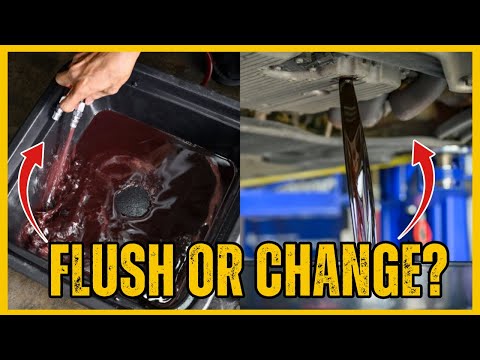
There is a major distinction between a drain-and-fill and a transmission flush. A drain-and-fill replaces only the fluid held in the pan, which is usually 30 percent to 50 percent of the total capacity. A flush uses specialized equipment to exchange nearly all the fluid, including the oil trapped in the torque converter and cooler lines.
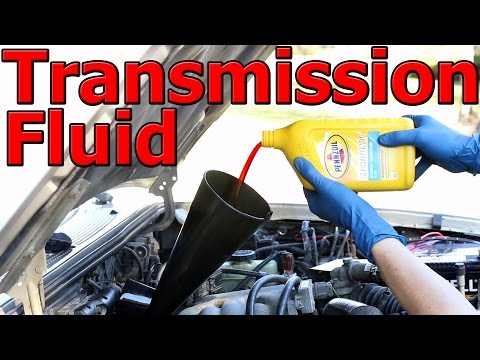
Average Transmission Fluid Change Cost
When looking at the total transmission fluid change cost, most consumers find themselves in the $150 to $400 range. If you own a luxury vehicle, a heavy-duty truck with a high-capacity system, or a vehicle requiring specialized synthetic oils, the transmission fluid price may exceed $600.
Because modern transmissions are more complex than those built twenty years ago, the process is rarely just a matter of pulling a plug. Many systems require specific temperatures and computer tools to verify the job is done correctly, which is reflected in the total transmission fluid replacement cost.
Parts Cost
The parts portion of the bill typically includes the fluid, a filter or screen, and a pan gasket.
- Fluid: Modern transmissions are highly sensitive to fluid specifications. Standard fluid might cost $8 to $12 per quart, while specialized synthetic fluids for European cars or Continuously Variable Transmissions (CVTs) can cost $25 to $40 per quart. Most services require between 5 and 12 quarts.
- Filter and Gasket: A filter kit generally costs between $30 and $100. Note that some modern transmissions use internal lifetime filters that are not serviced during a standard fluid change, which can lower parts cost but change the labor requirements.
Labor Cost
The transmission fluid labor cost typically accounts for 1 to 2.5 hours of work. At an average shop rate of $120 to $180 per hour, you can expect to pay between $120 and $450 in labor alone.
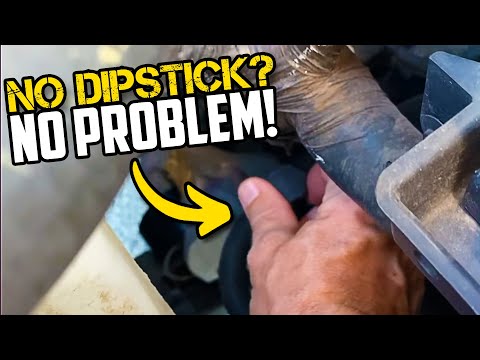
Some vehicles are more labor-intensive because they lack a traditional dipstick. In these cases, a technician must use specialized pumps to fill the unit from underneath and monitor the fluid temperature with a diagnostic scanner to ensure the level is correct—a process that adds time and technical expertise to the bill.
What Can Make the Repair More Expensive?
Several factors can drive the price of this service higher:
- Fluid Specification: Using the wrong fluid can destroy a transmission. If your vehicle requires a proprietary manufacturer-specific synthetic fluid, the price will rise.
- Vehicle Accessibility: If a technician has to remove skid plates, exhaust components, or frame braces to access the transmission pan, the labor time increases.
- Condition of the Pan: If the pan bolts are rusted or the mounting surface is warped, additional labor and parts will be required to ensure a leak-free seal.
- Diagnostic Fees: If you are bringing the car in because it is shifting poorly, a shop will likely charge a diagnostic fee (usually $100 to $150). A fluid change is maintenance, not a fix for a broken internal component.
Dealership vs. Independent Repair Shop
A dealership will generally be the most expensive option but offers the assurance of OEM (Original Equipment Manufacturer) fluids and technicians who specialize in your specific brand.
Independent repair shops usually offer lower labor rates and may use high-quality aftermarket fluids that meet or exceed OEM specs. This can be a great way to lower the overall transmission fluid change cost without sacrificing quality.
Specialty transmission shops are often the best middle ground. They possess the specific tools for flushes and deep internal inspections that general shops may lack. While a DIY repair is possible for some older vehicles—costing only the price of parts ($50 to $150)—it is a messy job that requires a way to safely level the vehicle and properly dispose of the old fluid.
Can You Drive With This Problem?
If you are performing a fluid change as part of regular maintenance, the vehicle is perfectly safe to drive. However, if you notice symptoms like slipping, delayed engagement, or shuddering, you should have the service performed as soon as possible.
Is transmission fluid change worth it? Absolutely. If the fluid becomes burnt or contains heavy metal debris, you should stop driving the vehicle to avoid a total transmission failure. A transmission replacement cost can easily reach $4,000 to $6,000, making the $300 maintenance fee a wise investment.
How to Avoid Paying for Unnecessary Repairs
The best way to save money is to follow your owner's manual. Some shops may recommend a flush every 30,000 miles, while your manufacturer may only require a service every 60,000 or 100,000 miles.
Additionally, be wary of shops that suggest a fluid change to fix a Check Engine or Transmission light without performing a proper diagnosis. An OBD-II trouble code for a Shift Solenoid or Torque Converter Circuit often indicates an electrical failure that new fluid cannot fix. Changing the fluid in a failing transmission can sometimes even make the problem worse by removing the friction material currently suspended in the old fluid that is helping the worn clutches grab.
Questions to Ask the Repair Shop
Before you authorize the work, ask the service writer:
- Does this price include a new filter and pan gasket, or is it just a fluid exchange?
- Are you using the specific fluid grade required by my vehicle's manufacturer?
- Will you be checking for leaks and resetting the transmission adaptives (computer learning) after the service?
- Did you find any significant metal debris or a burnt smell in the old fluid during the service?
Bottom Line
A transmission fluid change is one of the most critical maintenance tasks you can perform to extend the life of your vehicle. While a $150 to $400 transmission fluid change cost might seem like a significant expense for an afternoon at the shop, it is a fraction of the cost of a full transmission replacement. By staying on top of your service intervals and asking the right questions, you can ensure your car stays on the road for years to come.



No Comments Yet
Be the first to comment on this article.