Curtis.Castiglione@ROzebra.com

Toyota Fuel Pump Recall Guide
SEO Title: Toyota Fuel Pump Recall: Models, Symptoms and Repair Guide
Meta Description: Is your Toyota or Lexus stalling? Learn about the Denso fuel pump recall, affected models, engine stall risks, and how to get a free replacement from your dealer.
URL Slug: toyota-fuel-pump-recall-guide
Focus Keyword: Toyota Fuel Pump Recall
Secondary Keywords: Lexus fuel pump recall, Toyota engine stall recall, Denso fuel pump failure, Toyota recall lookup, Toyota VIN check
Toyota Fuel Pump Recall: Affected Vehicles, Engine Stall Risk and Free Repair
Toyota and Lexus have issued one of the largest safety recalls in recent history, involving millions of vehicles equipped with faulty low-pressure fuel pumps. These pumps, manufactured by the supplier Denso, contain a defect that can cause the engine to shut off unexpectedly while driving.
For many owners, the first sign of trouble is a car that refuses to start in the morning. However, the more dangerous scenario involves the fuel pump failing at highway speeds, leaving the driver without power in heavy traffic. Because this defect poses a significant safety risk, Toyota has committed to replacing these components at no cost to the consumer.
If you own a Toyota or Lexus model from the last several years, understanding how this Toyota Fuel Pump Recall affects your vehicle is essential for your safety and the reliability of your car.
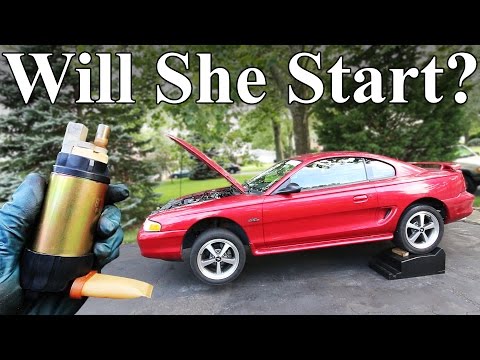
Recall Overview
- NHTSA Campaign Number: 20V-012, 20V-682 (Multiple Expansions)
- Manufacturer Recall Number: 20TB02 / 20TA02
- Recall Date: Originally January 2020 (Expanded through late 2020/2021)
- Component Affected: Low-pressure fuel pump (In-tank)
- Safety Risk: Engine stall while driving, increasing crash risk
- Recall Status: Active / Remedy Available
Why This Recall Was Issued
The heart of this recall lies in a specific component inside the fuel pump called the impeller. The impeller is a rotating disk that spins to pull fuel from the tank and send it toward the engine.
Denso, the parts manufacturer, produced these impellers using a lower-density material. Over time, as the impeller is submerged in gasoline, the material can absorb fuel, causing it to swell or deform. When the impeller expands, it can begin to rub against the internal walls of the fuel pump housing.
This friction creates resistance, which eventually causes the fuel pump to slow down or stop spinning entirely. If the pump stops, the engine is instantly starved of fuel. Without gasoline, the engine will stall, and the vehicle will lose its primary source of power.
Affected Vehicles
This recall is massive in scope, covering a wide range of cars, SUVs, and trucks across the Toyota and Lexus lineups. While the list is extensive, generally affected vehicles fall between the 2013 and 2020 model years.
Manufacturer: Toyota Models:
- 4Runner (2014-2019)
- Avalon (2018-2019)
- Camry (2017-2019)
- Corolla (2017-2020)
- Highlander (2017-2019)
- Land Cruiser (2014-2019)
- Prius (2019)
- Sequoia (2013-2019)
- Sienna (2017-2019)
- Tacoma (2017-2020)
- Tundra (2013-2019)
Manufacturer: Lexus Models:
- ES 350 (2018-2019)
- GS 350 (2013-2019)
- GX 460 (2014-2019)
- IS 300/350 (2014-2019)
- LC 500 (2018-2019)
- LS 460/500 (2013-2019)
- LX 570 (2014-2019)
- RC 300/350 (2015-2019)
- RX 350 (2017-2019)
Note: Production dates vary by model. Not every vehicle within these years is affected, as Toyota used different pump suppliers for different production runs.
Common Symptoms
While some fuel pumps fail suddenly without any prior warning, many drivers report specific red flags before the vehicle eventually stalls. Keep an eye out for these symptoms:
- Difficulties Starting: The engine may crank longer than usual before it finally fires up, or it may require multiple attempts to start.
- Rough Idling: When stopped at a red light, the car may feel like it is vibrating or struggling to stay running.
- Hesitation During Acceleration: When you step on the gas, the car may stumble or bog down because it is not receiving enough fuel pressure.
- Warning Lights: The Check Engine light or a Reduced Engine Power message may appear on the dashboard.
- Sudden Stalling: The most severe symptom is the engine simply cutting out while the vehicle is in motion.

What Can Happen If The Recall Is Not Repaired?
Ignoring a Toyota Fuel Pump Recall is a significant safety gamble. Because the failure is mechanical (the swelling of the plastic), it is a when, not if, scenario for defective units.
The primary risk is a total loss of engine power while driving. If the engine stalls at high speeds, you will immediately lose your power steering assist and your power brake vacuum. While you can still steer and brake the car manually, it will require significantly more physical effort.
An unexpected stall in the middle of a highway or a busy intersection leaves the vehicle vulnerable to rear-end collisions. Furthermore, if the vehicle stalls and cannot be restarted, you could be stranded in a dangerous location, such as a narrow shoulder or a dark roadway.
Is It Safe To Drive?
If your vehicle is currently running well and has not shown symptoms, it is generally considered drivable until you can get to a dealership. However, you should not delay the repair. Because the impeller swelling happens gradually over time, a pump that works fine today could seize tomorrow.
You should stop driving the vehicle and have it towed to a dealership immediately if:
- The engine has stalled more than once.
- The car is hesitating or jerking during acceleration.
- The Check Engine light is flashing.
In these cases, the fuel pump is likely on the verge of total failure.
How To Check If Your Vehicle Is Included
Vehicle owners should never guess when it comes to safety recalls. Here is the most accurate way to verify your car’s status:
- Locate your VIN: Your 17-digit Vehicle Identification Number is found on the driver’s side dashboard (visible through the windshield) or on the sticker inside the driver’s door jamb.
- Use the Toyota/Lexus Lookup: Visit the official Toyota Recall website or the Lexus Recall website and enter your VIN.
- Check the NHTSA Database: You can also go to NHTSA.gov/recalls and enter your VIN to see all open recalls from the federal government's perspective.
- Contact your Dealer: A quick phone call to any Toyota or Lexus service department with your VIN ready will give you a definitive answer.
Recall Remedy
The fix for this issue is a complete replacement of the fuel pump assembly. Toyota and Lexus dealers will remove the old pump from the fuel tank and install an updated pump kit. This new kit uses an impeller made of a higher-density material that is resistant to fuel absorption and swelling.
The repair is entirely free of charge. Federal law requires manufacturers to fix safety defects at no cost to the owner.
In terms of time, the repair usually takes between two to four hours, depending on the specific model. However, because dealerships often have a high volume of recall appointments, you may need to leave your vehicle for the day. Some dealerships may offer loaner vehicles or shuttle services if parts are in stock.

Frequently Asked Questions
How much does the Toyota Fuel Pump Recall cost? The repair is 100% free. This includes both the new fuel pump parts and the labor required for a certified technician to install them.
Can a faulty fuel pump cause a fire? While the primary risk of this specific recall is an engine stall, any fuel system failure carries a theoretical risk. However, this recall focuses on the internal failure of the pump causing the engine to stop, rather than external leaks that lead to fires.
What if I already paid for this repair out of pocket? If you previously experienced this fuel pump failure and paid for a replacement at a dealership or independent shop, you may be eligible for reimbursement. Save your receipts and contact Toyota Brand Engagement Center for instructions on filing a claim.
Is my car part of the recall if it is a hybrid? Yes, certain hybrid models (like the Prius and Highlander Hybrid) are included. While these vehicles use electric motors, they still rely on a gasoline engine and a low-pressure fuel pump for sustained driving.
Will the dealer also replace my fuel filter? In many Toyota models, the fuel filter is integrated into the fuel pump assembly. When the technician replaces the pump unit, you are essentially getting a fresh filter as part of the new assembly.
Final Thoughts
The Toyota Fuel Pump Recall is a serious matter due to the risk of sudden engine failure. Toyota has made the remedy readily available, and there is no reason to postpone the service. Even if your car currently feels like it is performing perfectly, the internal defect in the Denso pump could trigger a stall at any time.
Check your VIN today, and if your vehicle is flagged, call your local dealer to schedule the free replacement. It is a small investment of time that ensures your Toyota or Lexus remains as reliable and safe as intended.
Written by Curtis Castiglione



No Comments Yet
Be the first to comment on this article.