Curtis.Castiglione@ROzebra.com

The Last Manual 4x4 Trucks and SUVs Buyer’s Guide
Written by Curtis Castiglione
For many enthusiasts, the connection between driver and machine is never more tangible than when row-your-own gears are paired with a mechanical four-wheel-drive system. However, the stick-shift 4x4 is a species on the brink of extinction. Driven by the efficiency of modern automatics, the demand for high-towing capacities, and the complexity of electronic driver aids, manufacturers have almost entirely phased out the manual transmission in the truck and SUV segments.
Whether you are looking for a brand-new trail runner or a used full-size workhorse, choosing the right manual 4x4 requires navigating a shrinking market. This guide breaks down the final holdouts and what you need to know before the manual gearbox disappears from showrooms forever.

Key Factors to Consider When Buying a Manual 4x4
Before hunting down a three-pedal off-roader, it is essential to understand how these vehicles differ from their automatic counterparts.
- Durability and Torque Limits: Modern engines, especially diesels and turbocharged units, produce massive amounts of torque. Manual clutches and gearboxes often have lower maximum ratings than their automatic counterparts. If you plan on heavy towing or significant engine tuning, ensure the transmission can handle the increased load.
- Crawl Ratios: For off-roading, a manual transmission offers a distinct advantage in low-speed technical sections, provided it has a good crawl ratio. Look for vehicles like the Ford Bronco that offer a dedicated crawler gear to compensate for the lack of a torque converter.
- Resale Value and Availability: Because manual 4x4s are becoming rare, they often command a premium on the used market. However, they are also harder to find on dealer lots. You may need to custom-order a new vehicle or travel long distances to find a clean used specimen.
- Maintenance and Simplicity: While manuals are generally simpler to repair than complex 10-speed automatics, they do require clutch replacements over time. In used high-mileage trucks, the condition of the clutch and synchros is the most critical inspection point.
Full-Size Trucks: The End of an Era
If you are looking for a full-size pickup with a manual transmission, you are restricted to the used market. Here is when the major manufacturers pulled the plug:
| Brand / Model | Last Model Year | Notes on 4x4 and Powertrain |
|---|---|---|
| Ford F-150 | 2008 | After 2004, the manual was restricted to the 4.2L V6. V8 and manual and 4x4 effectively ended in 2003. |
| Chevrolet / GMC 1500 | 2007–2008 | Possible with V8 in GMT800 models, but limited. The GMT900 redesign (2007+) killed the stick. |
| Ram 1500 | ~2008 | Faded from the light-duty line earlier than the heavy-duty models. |
| Ram 2500 / 3500 HD | 2018 | The final holdout. Available with the Cummins diesel until the 2019 redesign. |
Top Product Picks by Category
Best Overall Pickup Truck (New): Toyota Tacoma
The Toyota Tacoma remains the last midsize pickup in North America available with a three-pedal setup. Available on select trims like the TRD Off-Road, it pairs a 6-speed manual with a 2.4L turbocharged engine.

Pros:
- Exceptional resale value and long-term reliability reputation.
- Modern safety tech combined with traditional mechanical engagement.
- Strong aftermarket support for off-road modifications.
Cons:
- Manual is restricted to specific cab and bed configurations.
- Lower towing capacity compared to some automatic competitors.
Best Off-Road SUV (New): Ford Bronco
The Bronco changed the game by offering a 7-speed manual transmission (6 gears plus a dedicated C crawler gear). It is paired exclusively with the 2.3L EcoBoost engine.

Pros:
- The crawler gear provides incredible control on steep, rocky descents.
- Highly engaging driving dynamics on and off-pavement.
- Available with the Sasquatch package for maximum factory off-road capability.
Cons:
- Not available with the more powerful V6 engine.
- High demand leads to long wait times and potential dealer markups.
The Traditionalist Choice: Jeep Wrangler
The Wrangler is the longest-running proponent of the manual 4x4. The 6-speed manual is available across several trims when paired with the 3.6L V6 Pentastar engine.
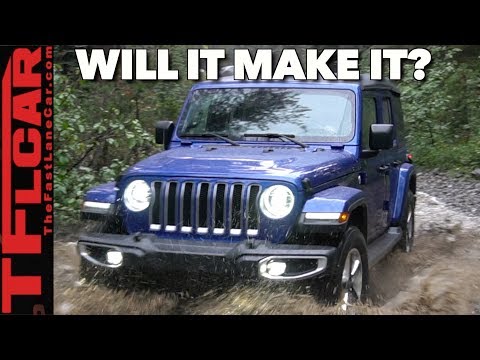
Pros:
- Purest mechanical connection with a traditional floor-mounted transfer case shifter.
- Available in both 2-door and 4-door configurations.
- Simple, proven engine design that is easy to service.
Cons:
- Long-throw shifter and heavy clutch can be tiring in stop-and-go traffic.
- Older interior ergonomics compared to the Ford Bronco.
Best Heavy-Duty Workhorse (Used): Ram 2500/3500 HD (2010–2018)
If you need to pull a massive trailer with a stick shift, the 2018 Ram HD was the final frontier. It featured the G56 6-speed manual behind the legendary Cummins Turbo Diesel.
Pros:
- Massive towing capability and heavy-duty axles.
- The Cummins and Manual combo is highly coveted by diesel enthusiasts.
- Simple, rugged interior designed for work.
Cons:
- These trucks hold their value so well they remain expensive even with high mileage.
- The manual version is factory-detuned to a lower torque rating than the automatic.
Pros and Cons of the Manual 4x4 Combination
Pros
- Enhanced Driver Control: Total control over gear selection is vital in snow, mud, and technical rock crawling.
- Reduced Braking Wear: Superior engine braking on steep downhill grades.
- Lower Theft Risk: Many modern car thieves do not know how to drive a manual transmission.
- Mechanical Simplicity: Fewer electronic sensors and solenoids to fail in remote areas.
Cons
- Lower Towing Ratings: Manufacturers often derate the towing capacity for manual models to protect the clutch.
- Driver Fatigue: Constant shifting in heavy traffic or during complex off-road maneuvers can be exhausting.
- Limited Availability: You are often forced into specific trims to get the manual.
- Slower Shifting: Modern automatics shift faster and more efficiently, often leading to better fuel economy.
Frequently Asked Questions (FAQs)
Is a manual better for off-roading than an automatic? It depends on the terrain. For high-speed desert running or mud, automatics are often preferred. For technical rock crawling, a manual provides better feel, but the lack of a torque converter makes it easier to stall. Modern crawler gears like those in the Bronco have largely solved this issue.
Why did full-size trucks stop offering manuals? There are three main reasons: low consumer demand (less than 5% take rate), the inability of affordable clutches to handle the 900+ lb-ft of torque from modern diesels, and the difficulty of integrating autonomous safety features like adaptive cruise control.
Will the Toyota Tacoma keep its manual forever? Toyota has committed to the manual for the current generation (2024+), but as the industry moves toward hybridization and electrification, the manual’s days are likely numbered.
Final Verdict
The window to own a manual-shift 4x4 is closing rapidly. If you are a buyer who prioritizes mechanical engagement and long-term simplicity over outright speed and convenience, your options are limited but high in quality.
For a daily-driver pickup that will hold its value for a decade, the Toyota Tacoma is the gold standard. If your primary goal is weekend adventure and trail riding, the Ford Bronco’s 7-speed with its crawler gear offers the most sophisticated manual experience on the market. For those who need a heavy-duty tool for work, the pre-2019 Ram HD remains the ultimate choice on the used market.
Regardless of which you choose, the manual 4x4 remains a rewarding, tactile way to explore the outdoors—just be prepared to act quickly, as these models are moving from the showroom floor to the history books.
Take the Quiz for this Article Here!



No Comments Yet
Be the first to comment on this article.