Curtis.Castiglione@ROzebra.com

The Hidden Value of Automotive Donor Vehicles
In the world of automotive restoration and performance building, we often fall into the trap of searching for the obvious donor. We scour classifieds for crashed Mustangs, rusted-out Camaros, or high-mileage Wranglers. However, some of the most robust, high-performance, and desirable components ever engineered were never intended for the showroom floor. Instead, they were bolted into the heavy frames of bread trucks, delivery vans, and entry-level motorhomes.
As the old saying goes, the machine may be worth more dead than running. To a delivery company, a 1988 step van with a mangled body is a liability. To a builder, that same van is a rolling treasure chest. To find these bargains, you have to look past the faded paint and specialized bodywork to see the heavy-duty engineering hidden underneath.
The Heavy-Duty Big Block: The Motorhome Goldmine
When most enthusiasts think of a Chevrolet 454 cubic inch (7.4L) V8, they picture a 1970 Chevelle SS. Consequently, those engines fetch a premium. However, the 454 was a staple of the Chevrolet P30 chassis, which underpinned thousands of step vans and Class C motorhomes from the 1970s through the 1990s.

Why It is a Better Foundation
The key difference between a passenger car engine and a commercial engine is the duty cycle. While a Corvette engine was designed for occasional bursts of speed, a motorhome engine was designed to pull 10,000 pounds up a mountain grade for hours at a time.
- Four-Bolt Mains: You are far more likely to find a Mark IV or Gen V block with four-bolt main caps in a commercial application. These provide the bottom-end strength necessary for high-horsepower builds.
- Forged Internals: Many industrial 454s were equipped with forged steel crankshafts, whereas the light-duty pickups often received cast iron units.
- Oil Capacity: These vehicles often featured massive oil pans and high-volume pumps to manage heat under constant load.
The Industrial Trade-offs
It isn't a direct drop-in swap. An industrial 454 often uses peanut port cylinder heads designed for low-end torque. For a high-RPM drag car, you will want to keep the short block (the block, crank, and rods) and swap the heads and intake. Additionally, be prepared to swap the water pump, accessory brackets, and oil pan, as commercial versions are often too bulky for a car engine bay.
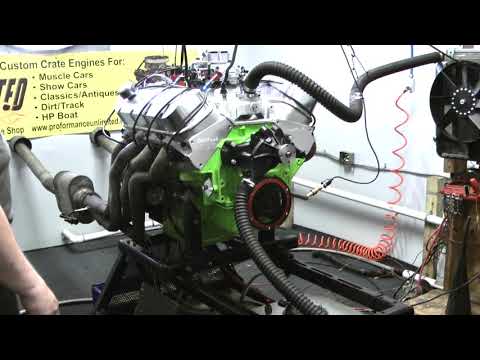
The Diesel Holy Grail: The Cummins 4BT Bread Truck
Perhaps the most legendary donor vehicle in the off-road community is the humble aluminum-bodied delivery van. During the 1980s and 1990s, fleet companies like Frito-Lay repowered their fleets with the Cummins 4BT diesel engine.

The 3.9L Mechanical Masterpiece
The 4BT is essentially a 4-cylinder version of the 5.9L 6BT found in Dodge Ram pickups. Because it lacks two cylinders, it is short enough to fit into the engine bay of a Jeep Wrangler, a Toyota Land Cruiser, or a small pickup.
- Simplicity: The 4BT is a mechanical-injection engine. It requires only one wire (for the fuel shut-off solenoid) to run, making it the ultimate choice for survivalist builds or remote off-roading.
- Torque Potential: While factory ratings were modest (105 to 120 hp), the torque is massive, and the engine responds incredibly well to basic fuel-pump adjustments.
- The Hidden Value: Do not just pull the engine. Many of these vans used the GM TH400 or 4L80E automatic transmissions. These were mated to the Cummins via specialized adapter plates. On the secondary market, these adapters alone can cost upwards of $800.
Luxury Sleeper Donors: The Lincoln Mark VIII
The search for components isn’t limited to heavy trucks. One of the most overlooked donors in the Modular Ford world is the 1993 to 1998 Lincoln Mark VIII. While these cars have largely faded from the public eye, they contain a component that Mustang builders covet: the Teksid aluminum block.

- The Teksid Advantage: Cast in Italy, these 4.6L DOHC blocks are renowned for their incredible strength-to-weight ratio. They are significantly lighter than the cast-iron blocks found in Mustang GTs and are the preferred foundation for high-boost Terminator Cobra-style builds.
- Better Maintenance: Unlike a Mustang, which may have been thrashed by a teenager, a Lincoln Mark VIII was often owned by older drivers who adhered to strict maintenance schedules. You are more likely to find a clean, well-cared-for internal assembly in a luxury donor.
The Overlooked Fleet: Police and Ambulances
When searching for heavy-duty upgrades, vehicles designed for emergency services are prime targets.
- Police Interceptors: Vehicles like the Crown Victoria or Explorer offer high-output alternators, external oil coolers, and heavy-duty suspension components (bushings and shocks) that are far superior to the civilian versions.
- Ambulances: Often built on Ford E-Series or F-Series chassis, these are excellent sources for the 7.3L Powerstroke diesel or the V10 Triton. Because ambulances have high-draw electrical needs, they often feature dual-alternator setups that are perfect for overland rigs with winches and lights.
Practical Considerations: The Cost of the Bargain
Before you purchase a $500 non-running generator or a $1,000 dilapidated motorhome, you must calculate the total cost of recovery.
- Transportation: A 2,000-pound generator or a 24-foot motorhome isn't a bargain if you do not have a way to move it. Towing fees for oversized vehicles can quickly eclipse the value of the parts.
- Dismantling Logistics: Do you have a crane or a heavy-duty gantry? Removing a Big Block from a P30 van involves cutting through heavy steel and maneuvering a 700-pound engine out of a cramped doghouse.
- The Disposal Headache: Scrap yards love metal, but they hate motorhomes. Once you pull the engine and transmission, you are left with a massive pile of wood, fiberglass, and moldy insulation. Many landfills charge high fees for specialized disposal, which can turn your cheap engine into an expensive liability.
- Technical Identification: Never assume an engine is what the seller says it is. Always verify casting numbers and suffix codes. A 1990 ambulance might have an unusual accessory drive or an oil filter relocation kit that will not clear your project frame rails.
Conclusion
In the industrial and fleet world, a vehicle that has reached the end of its useful life as a machine may still be a goldmine of components. The savvy builder looks where others do not: at the delivery truck, the aging luxury sedan, and the heavy-duty generator. By understanding the hidden engineering of these overlooked platforms, you can secure professional-grade components at a fraction of the cost of a crate motor. Just remember: the donor economics must always include everything between the purchase price and the usable component sitting on your garage floor.
Written by Curtis Castiglione



No Comments Yet
Be the first to comment on this article.