Curtis.Castiglione@ROzebra.com

Subaru Crosstrek EyeSight Repair and Insurance Costs
By Curtis Castiglione
If you own a 2018 Subaru Crosstrek and have recently been in a front-end collision, you might be looking at an initial repair estimate that feels disproportionately high. What looks like a simple dented hood or a cracked windshield often evolves into a complex electronic and structural project.
The reason for this complexity is not just the price of parts; it is the integration of Subaru EyeSight driver-assistance technology. On a modern vehicle, a minor impact can disrupt the delicate vision of the car, leading to expensive calibrations and specific repair requirements that traditional body shops might have ignored a decade ago.
The EyeSight Factor: Why Precision is Mandatory
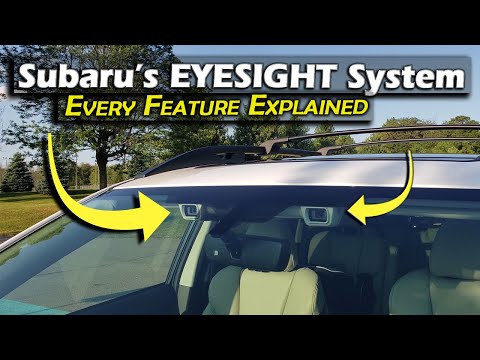
The 2018 Crosstrek, when equipped, uses the EyeSight system—a pair of cameras mounted inside the cabin behind the upper portion of the windshield. These cameras act as the vehicle eyes for adaptive cruise control, pre-collision braking, and lane-keep assist.
Because these cameras rely on a precise mounting angle and a clear line of sight, the entire front end of the car must be perfectly aligned. If the hood is slightly buckled or the front body structure is shifted by just a few millimeters, the cameras may be aimed incorrectly. This makes the repair as much about geometry and software as it is about sheet metal and paint.
The Windshield: An Optical Component, Not Just Glass
One of the most common points of contention in an insurance claim involves the windshield. For an EyeSight-equipped vehicle, the glass is a critical safety component.
- OEM vs. Aftermarket: Subaru often recommends the use of Original Equipment Manufacturer (OEM) glass. Aftermarket glass may have slight distortions or different thicknesses that the EyeSight cameras cannot compensate for.
- The Insurance Conflict: Many insurance policies have provisions that allow for Like Kind and Quality (LKQ) or aftermarket parts to save costs. However, if the aftermarket glass prevents the EyeSight system from calibrating correctly, the cheaper glass becomes a liability.
- Mounting Brackets: The cameras are held by specific brackets. If the glass area was disturbed, these brackets must be inspected for any movement or damage.

Hidden Damage: Why the First Estimate is Rarely Final
In the world of collision estimating, the first document you receive is often a visual-only estimate. The true cost of the repair is revealed during the teardown process. When a technician disassembles the front end of a Crosstrek, they are looking for more than just broken plastic. They are checking:
Hood Hinges and Latches Even if the hood looks okay, a jolt can tweak the hinges. If the hood does not sit exactly where the factory intended, it can interfere with the camera field of vision or safety deployment.
Front Body Structure The core support (the frame that holds the radiator and headlights) serves as a baseline for the rest of the front-end alignment. If this structure is slightly off, nothing else will line up correctly.
Wiring and Sensors Modern bumpers are packed with harnesses. A pinched wire can lead to intermittent electronic ghosts that are difficult and expensive to diagnose later.
If the shop finds this damage after the insurance company has already written a check, they will submit a supplement. This is an additional request for funds to cover the newly discovered damage. This is a normal part of the repair process and ensures the vehicle is actually restored to pre-accident condition.
The Necessity of Calibration and Diagnostics
On a 2018 Crosstrek, you will likely see labor operations on your estimate for Pre-Repair Scan and Post-Repair Calibration. Calibration is not optional. It is a mechanical and electronic procedure that syncs the cameras to the vehicle thrust line (the direction the wheels are actually pointing).
- Static Calibration: Performed in the shop using specialized targets and mirrors.
- Dynamic Calibration: Involves driving the vehicle under specific conditions so the computers can learn the environment.

A common mistake is simply clearing the codes. If a dashboard warning light is turned off without the system being physically calibrated, the EyeSight system may activate the brakes when there is no obstacle or fail to activate them during a real emergency.
Does Insurance Pay for These Procedures?
Generally, if you have a covered loss (collision coverage), the insurance company is responsible for the cost of returning the vehicle to its pre-loss condition. This includes the necessary calibrations and structural repairs. However, policies vary by state and provider. Some common hurdles include:
- Diagnostic Fees: Some insurers may argue about the labor time required for scans.
- Sublet Repairs: If the body shop has to send the car to a Subaru dealer for calibration, there may be a markup or towing fee that the insurer questions.
- Documentation: Insurers require proof that a procedure is necessary. A professional shop should provide manufacturer (OEM) repair procedures to justify why a specific calibration or part is required.
What You Should Ask Your Repair Facility
Before authorizing a repair on your Crosstrek, ask these four critical questions:
- Do you have the Subaru-specific repair procedures for the EyeSight system?
- Will you be using OEM glass, and if not, will you guarantee the EyeSight system will calibrate?
- Are the calibrations performed in-house, or will the car be sent to a specialist or dealership?
- Can you provide a post-repair diagnostic report showing all systems are functioning?

The Bottom Line
Modern safety technology has turned simple cars into rolling computers. When you repair a 2018 Subaru Crosstrek, you are not just fixing a car; you are recalibrating a safety system. While the insurance claim process can be frustrating, ensuring that the camera mounting area, hood structure, and glass meet factory specifications is the only way to ensure your vehicle remains as safe as the day you bought it.
Disclaimer: Insurance policy provisions and state laws vary significantly. Always review your specific policy and consult with your insurance representative and a qualified repair professional regarding your claim.



No Comments Yet
Be the first to comment on this article.