Curtis.Castiglione@ROzebra.com
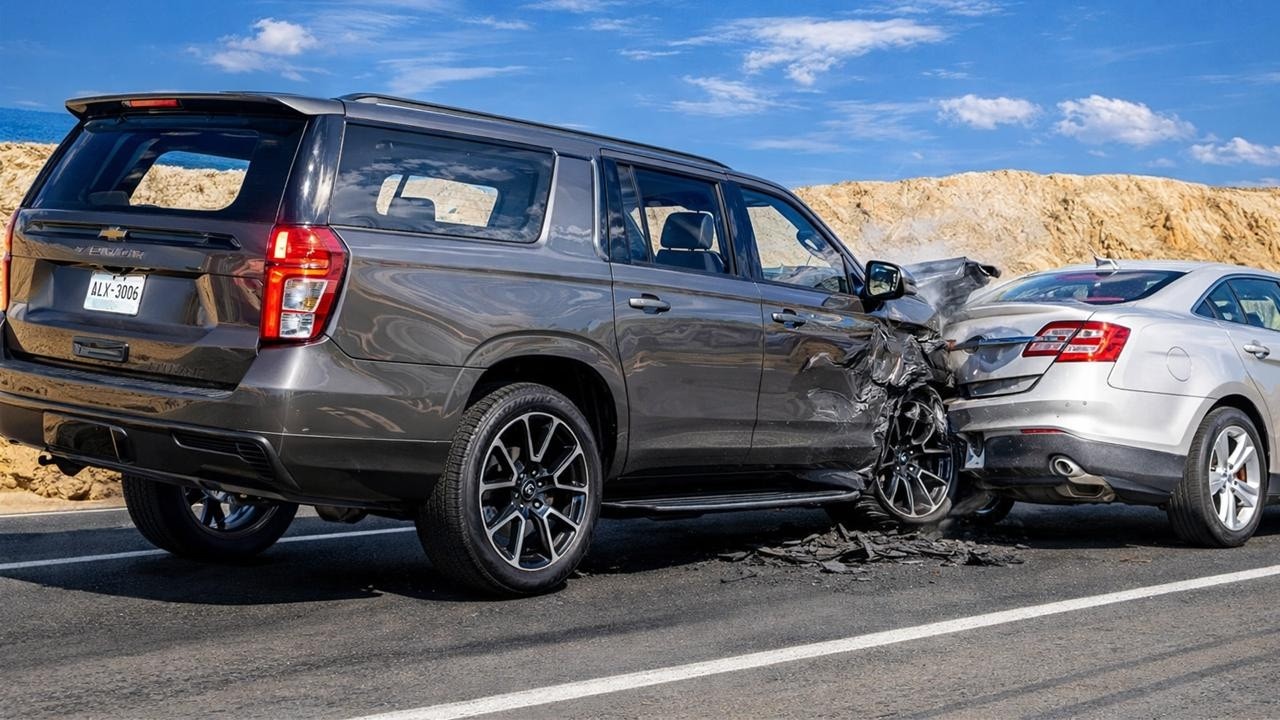
Repairing Front-End Damage on a 2021 Chevrolet Trailblazer
By Curtis Castiglione
If you have been involved in a front-end collision in a 2021 Chevrolet Trailblazer, your first glance at the damage might only reveal a cracked grille and a broken headlamp. In the past, this would have been a straightforward cosmetic fix. On a modern vehicle like the Trailblazer, however, what looks like a simple repair often involves a complex web of electronics, structural alignments, and safety system calibrations.
This article explains the reality of repairing a modern SUV, why initial estimates often change, and what you need to know before authorizing repairs on your vehicle.
Why does a broken headlamp and grille cost so much to repair?
The primary reason for the high cost and complexity is the integration of Advanced Driver Assistance Systems (ADAS). Even the base models of the 2021 Trailblazer are equipped with technology that may include forward collision alert, automatic emergency braking, and front pedestrian braking.
These systems rely on sensors and cameras that are often mounted directly behind the grille or within the front bumper area.
- Physical vs. Electrical Damage: A sensor may remain electrically functional (meaning no dashboard warning light is on) while its mounting bracket has been displaced by just a few millimeters.
- Precision Matters: In the world of automotive repair, a sensor that is slightly out of alignment can be the difference between a safety system that works and one that fails to engage—or worse, engages unnecessarily—when you are on the road.
The Hidden Damage: Radiator Support and Headlamp Brackets
When a Trailblazer sustains a front impact, the energy travels through the plastic bumper and into the radiator support. This support structure is the "skeleton" responsible for holding the headlamps, the grille, and the sensor mounts in their exact factory positions.
Components to Inspect
A thorough inspection must go beyond the surface. The following parts are often compromised in a front-end hit:
- Headlamp assembly and internal brackets
- Grille and grille supports
- Front bumper cover and reinforcement bar
- Sensor mounts and front wiring harnesses
- Radiator support alignment
Headlamp Fitment Issues
If the radiator support is slightly pulled or pushed out of place, a new headlamp will not fit correctly. You might see "gaps" between the light and the hood or fender. A common mistake in low-quality collision repair is trying to force a new headlamp onto a bent bracket. This creates stress on the plastic housing, which can lead to moisture leaks where condensation enters the expensive LED assembly, or aiming failures where the light beam points incorrectly.
Why did my insurance estimate change after the shop started?
It is very common for an initial insurance estimate to be lower than the final bill. This is usually due to a process called the "Teardown and Supplement."
- The Visual Estimate: When an adjuster looks at your car in your driveway, they can only write for what they see (the broken plastic).
- The Teardown: Once the shop removes the bumper and grille, they often find hidden damage, such as a pinched wiring harness or a cracked sensor mount.
- The Supplement: The shop submits a supplemental request to the insurance company to cover these additional parts and labor operations.
Does insurance cover sensor calibration? Generally, yes. If a sensor was disturbed or removed, or if the manufacturer (General Motors) requires a calibration after a front-end hit, this is considered a necessary part of restoring the vehicle to its pre-accident condition. However, you should always review your specific policy for "scanning and calibration" allowances.
OEM vs. Aftermarket Parts: Does it matter for a Trailblazer?
For a vehicle as new as a 2021 model, the choice of parts is critical. Insurance policies often allow for the use of "Like Kind and Quality" (LKQ) or aftermarket parts to manage costs. However, with a Trailblazer, there are technical risks regarding ADAS:
- Radar Transparency: Some aftermarket grilles use plastics or paints that can interfere with the radar waves used by your emergency braking system.
- Mounting Precision: Aftermarket sensor mounts may not have the same rigid tolerances as Original Equipment Manufacturer (OEM) parts, making it impossible to successfully calibrate the safety systems.
If your vehicle has sophisticated ADAS features, talk to your shop about the manufacturer’s Position Statement regarding the use of OEM parts in safety-critical areas.
The Difference Between Mechanical and Collision Damage
It is important to distinguish between collision damage (the broken grille) and mechanical damage (a cracked radiator or a severed sensor wire). While your insurance company generally pays for both if they resulted from the accident, the repair procedures are different.
Mechanical components like sensors require diagnostic software to verify they are communicating with the vehicle’s main computer. If the shop replaces the headlamp but fails to recalibrate the front-facing sensors, your safety features may become inactive without a warning light appearing immediately.

What should I do if I am involved in a front-end collision?
Before you authorize repairs, ask the shop these four specific questions to ensure your Trailblazer is being repaired to factory standards:
- "Will you perform a pre-repair and post-repair diagnostic scan?" This identifies hidden electronic faults before and after the physical work is done.
- "Are you measuring the radiator support and headlamp brackets?" This ensures the "hard points" are in the factory-correct location so the new parts fit perfectly.
- "Which sensors require calibration, and will they be calibrated statically or dynamically?" Static calibration happens in the shop with specialized targets; dynamic calibration happens on the road with a scan tool.
- "Are you using OEM parts for the grille and sensor mounts?" This is vital for the integrity and reliability of your ADAS systems.
Final Thoughts for the Vehicle Owner
Do not assume the car is "fine" just because it still drives. A front-end hit can damage cooling fans or wiring that may lead to a breakdown or an engine overheat later.
Keep all documentation regarding sensor calibrations and structural measurements. This is vital for your vehicle's history and for maintaining its resale value. If there is a disagreement between your insurance company and the repair shop regarding necessary safety steps, consult the manufacturer’s repair procedures.
Every insurance policy and state regulation is different. Always consult with your insurance adjuster and a certified collision repair professional to understand your specific coverage and repair requirements.



No Comments Yet
Be the first to comment on this article.