Curtis.Castiglione@ROzebra.com

Repairing Ford Transit Connect Rear Door Collisions
Written by: Curtis Castiglione
If you use a 2018 Ford Transit Connect for work or daily utility, a rear-end collision involves much more than just fixing a dented door. Because these vehicles are designed as precision tools for transport and storage, the rear cargo area is a complex assembly where structural integrity, weather sealing, and electronic safety systems converge.
When this van is hit from behind, the damage often extends far beyond what an insurance adjuster can see during a five-minute visual inspection. Understanding the relationship between the impact, the repair process, and your insurance claim is vital to getting your vehicle back on the road safely.
Why did my initial insurance estimate change after the shop started working?
It is common for a vehicle owner to receive an initial estimate from an insurance company that seems low. Most initial estimates are "visual-only." For a Transit Connect, an adjuster might see a dented rear door and write a quote for a simple repair or replacement.
However, once the repair facility begins the teardown process, they often find that the impact energy traveled through the door shell and into the:
- Hinges: Even a slight bend can prevent the doors from swinging correctly.
- Latch Mounts and Strikers: If these are moved by even a few millimeters, the doors won't lock securely.
- Rear Body Opening (D-Pillars): This is the frame the doors sit in. If the opening is pushed out of square, a brand-new door will never fit correctly.
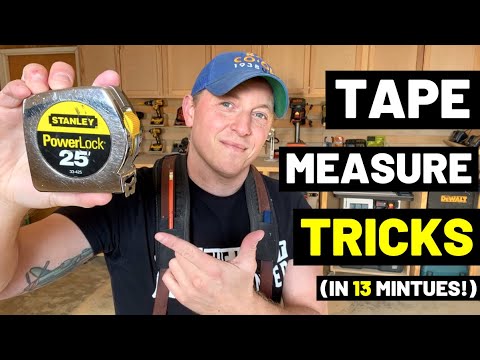
This leads to an insurance supplement. A supplement is an additional claim for damages discovered after the original estimate was written. To fix a Transit Connect properly, a technician must often use electronic measuring equipment to verify the dimensions of the body opening. If the insurance company and the shop do not account for this structural squaring, you may end up with a van that whistles at high speeds, leaks water onto your tools, or has doors that are difficult to latch.
Does insurance cover damage to my interior cargo shelving or equipment?
One of the most overlooked aspects of a Transit Connect collision is the interior upfitting. Many of these vans are equipped with heavy-duty steel shelving, bins, or partitions.
- The Impact: If a rear-end collision is severe enough to move the floor pan or the side walls, those shelves may have shifted. This can pull bolts through the sheet metal or warp the shelving units themselves.
- The Coverage: Whether this is covered depends on your specific policy. Most commercial policies cover permanently attached equipment, but some personal policies have limits on aftermarket additions unless they were specifically "scheduled" (added to the policy) beforehand.
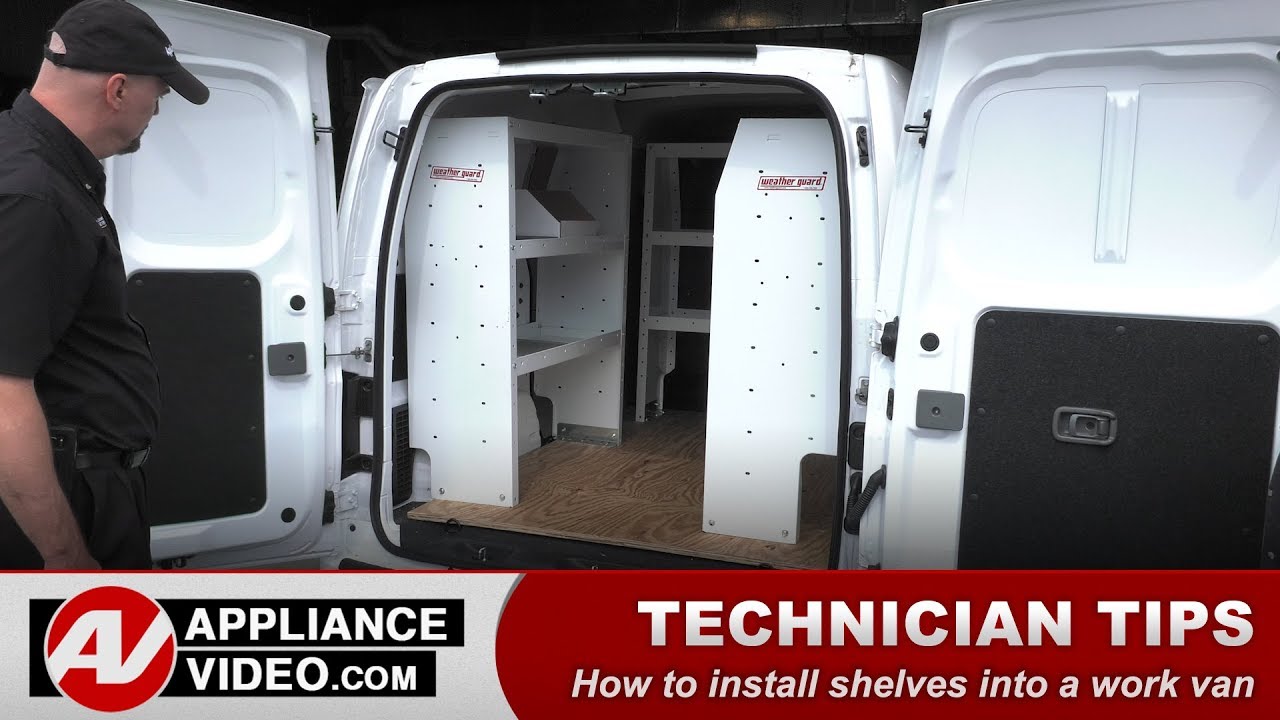
Pro Tip: Ask your repair shop to inspect the mounting points of your shelving. If the interior structure is compromised, the shelving may no longer be secure, posing a significant safety risk to the driver during sudden stops.
Why does my rear door repair involve electrical diagnostics?
Modern Transit Connects are more than just metal boxes; they are equipped with rear-view cameras, parking sensors, and rear window defrosters.
Even a minor tap to the rear bumper or door can damage the delicate wiring harnesses or the plastic brackets that hold sensors in place. Furthermore, if your vehicle has Advanced Driver Assistance Systems (ADAS), such as blind-spot monitoring or park assist, Ford often requires specific calibration procedures after the doors or bumpers are removed and reinstalled.

This is not just a "mechanical" repair; it is a digital one. If the sensors are not aligned to the millimeter and calibrated via a computer scan, they may provide false warnings or fail to detect obstacles. These diagnostic scans are a necessary labor operation that ensures your safety systems function as intended.
The Difference Between OEM, Aftermarket, and Recycled Parts
In your estimate, you will likely see three types of parts:
- OEM (Original Equipment Manufacturer): Parts made by Ford.
- Aftermarket: Parts made by a third-party company.
- Recycled (LKQ): Used parts salvaged from another vehicle.
For a 2018 Ford Transit Connect, the fitment of the rear doors is critical because they must meet perfectly in the middle to create a weather-tight seal. While insurance policies often allow for aftermarket or recycled parts to save costs, some shops prefer OEM doors to ensure the latching mechanisms line up perfectly. Review your policy’s "Like Kind and Quality" language and discuss fitment guarantees with your shop.
What should I do if my doors don't "feel right" after the repair?
Before you sign the final release and take delivery of your vehicle, perform your own quality control check. A professional repair should return the vehicle to pre-accident condition in both appearance and function.
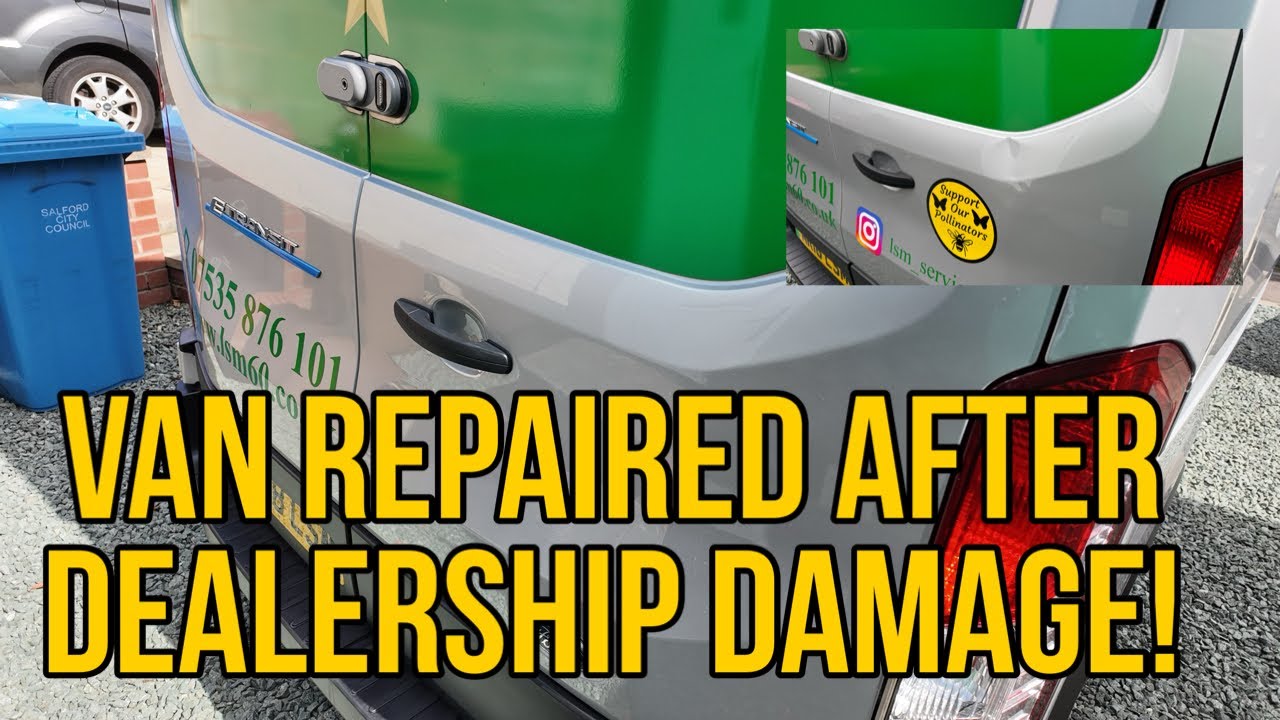
- The Latch Test: Open and close both rear doors multiple times. They should latch with minimal effort. If you have to slam them, the hinges or the body opening may still be misaligned.
- The Seal Check: Inspect the rubber weatherstripping. It should make full contact all the way around the door with no gaps.
- Electronics Verification: Put the vehicle in reverse (with your foot on the brake) to ensure the backup camera is clear and centered. Check that the parking sensors aren't "ghosting" (beeping when nothing is there).
Summary Checklist for Owners
- Request a Teardown: Ensure the shop removes the interior trim and door panels to check for hidden structural damage.
- Verify Calibration: Ask for a copy of the post-repair diagnostic scan tool report to ensure all sensors are active.
- Inspect Upfitting: Document any bent shelving or loose mounting bolts for the insurance supplement.
- Review the Policy: If there is a dispute over part quality or repair procedures, consult the "appraisal clause" in your insurance policy to resolve the disagreement.
Repairing a 2018 Ford Transit Connect requires a focus on the vehicle as a tool of utility. Between the electronics in the doors and the structural requirements of the cargo area, these repairs are rarely simple. Always ensure your repair facility uses proper measuring equipment to document the full extent of the damage for your insurance claim.



No Comments Yet
Be the first to comment on this article.