Curtis.Castiglione@ROzebra.com
Repairing 2019 Kia Optima Rear Collision Damage
A rear-end collision in a 2019 Kia Optima often presents a deceptive visual. Because modern bumper covers are made of flexible plastics designed to pop back into shape, you might walk away from a low-speed impact thinking you only have a few scratches.
However, the components hidden behind that plastic—the trunk lid, tail lamp housings, and the rear body panel—are frequently compromised. If your trunk requires extra force to close or the gaps around the lid look uneven, you are likely dealing with structural distortion rather than a simple cosmetic fix.
Why did my insurance estimate change after the bumper was removed?
The first estimate you receive—whether from an insurance adjuster in your driveway or a quick drive-through inspection—is known as a preliminary estimate. It is based strictly on what can be seen without disassembly.
Once your Kia Optima is at the body shop, the technician performs a teardown. When the bumper cover is removed, it often reveals hidden damage to:
- The Energy Absorber: A foam or plastic piece that sacrifices itself to dampen impact.
- The Reinforcement Bar: The heavy metal beam that protects the chassis.
- The Rear Body Panel: The steel wall where your trunk latch is mounted.
If the shop finds buckled metal or cracked brackets, they submit a supplement to the insurance company. This is a standard part of the professional repair process. It isn't the shop trying to make more money; it is the shop documenting the actual reality of the damage that was hidden by the bumper cover.
Why is my trunk hard to close? (Latch vs. Structure)
A common question owners ask is: "Can’t you just replace the latch?"
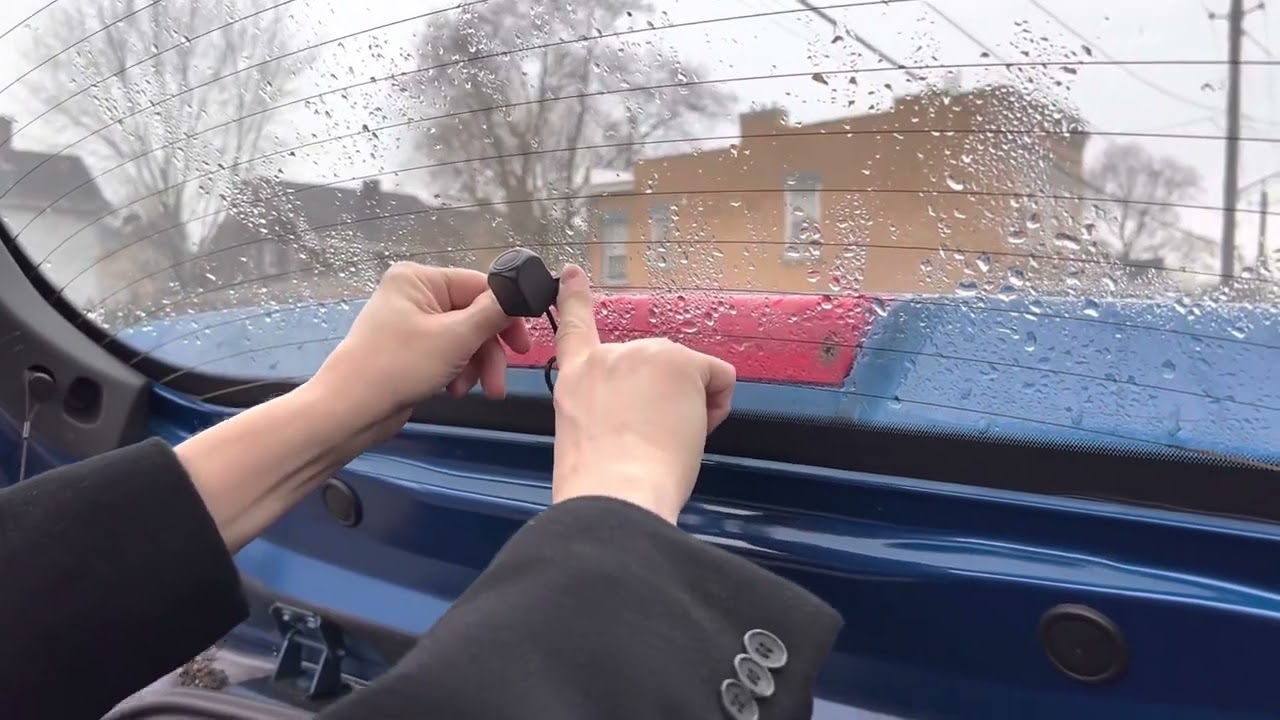
In a 2019 Optima, the trunk latch bolts to the rear body panel. If the impact pushed that panel forward by even a few millimeters, the latch and the striker (the hook it grabs onto) will no longer align. While a new latch might be installed, if the mounting point is still pushed in, you will still have to slam the trunk to get it to catch.
The Professional Fix: To repair this correctly, the shop must use a frame rack or a pulling post to pull the rear body panel back to its factory dimensions. This ensures the trunk lid seals correctly against the weatherstripping, preventing wind noise and exhaust fumes from entering the cabin.
The Complexity of 2019 Kia Optima Tail Lamps
The 2019 Optima features a multi-piece tail lamp design, with segments mounted on the fixed quarter panels and segments mounted on the moving trunk lid.
In a collision, even if the exterior lens isn't cracked, the internal mounting tabs often snap. Because these lamps must be perfectly aligned for the light bar look to work, broken tabs make the vehicle look un-repaired. Furthermore, if your Optima is equipped with the LED lighting package, these units are expensive. Insurance companies may suggest aftermarket or recycled (used) lamps.
- Note: If using aftermarket lamps, ensure the shop verifies that the LED color temperature and instant-on speed match your remaining original lamp.
Hidden Danger: The Spare-Tire Well
One of the most critical areas to inspect after a rear-end hit is the trunk floor and the spare-tire well. This area is designed as a crumple zone.
- What to look for: Remove the spare tire and look for waves or wrinkles in the paint and metal.
- The Risk: If these wrinkles are not straightened and resealed, the trunk will leak. Water pooling in a spare-tire well can lead to corrosion and can short out the wiring harnesses that run along the rear of the vehicle for the fuel pump and rear lighting.

Modern Tech: Blind Spot Detection and ADAS
The 2019 Kia Optima often comes equipped with Advanced Driver Assistance Systems (ADAS), specifically Blind Spot Detection (BSD) sensors. These sensors are located behind the corners of the rear bumper.
If the rear structure is even slightly distorted, these sensors may point at the ground or too far into the next lane. A proper repair must include:
- A Pre-Repair Scan: To see if the sensors are communicating.
- Calibration: To ensure the sensors are aimed correctly according to Kia's factory specifications.
- A Post-Repair Scan: To verify no fault codes remain.
Who pays for OEM vs. Aftermarket parts?
Whether your repair uses OEM (Original Equipment Manufacturer) parts, Aftermarket parts, or Recycled parts depends on your specific insurance policy.
Most policies allow for Like Kind and Quality (LKQ) parts. For a 2019 model, recycled parts are common. A recycled trunk lid can actually be a high-quality choice because it is a genuine Kia part that is guaranteed to fit, though it will require refinishing to match your car's color. Always ask the shop for a parts manifest so you know exactly what is being bolted onto your vehicle.
What should I do before authorizing repairs?
Before you sign the authorization form at the body shop, ask these four specific questions:
- "Will you be performing a 3D measurement of the rear structure?" (This ensures the trunk opening is square).
- "Does the estimate include a scan and calibration of the Blind Spot Monitoring system?"
- "Have you inspected the spare-tire well for structural wrinkles or compromised seam sealer?"
- "Are the tail lamp mounting tabs intact, or are we replacing the housings?"
Summary for the Owner
Vehicle damage is rarely skin deep. While insurance coverage and state laws vary regarding which parts are paid for and which shops you can use, the physical requirements for a safe repair do not change. Ensure your repair facility performs a full teardown and addresses the structural integrity of the rear body panel to keep your Kia Optima safe, dry, and functional.
Disclaimer: This article is for informational purposes only. Insurance policy provisions and state laws vary significantly. Always consult your policy documents and a qualified collision repair professional for advice specific to your situation.



No Comments Yet
Be the first to comment on this article.