Curtis.Castiglione@ROzebra.com

Repairing 2018 Mustang Rear-Quarter Damage
If you own a 2018 Ford Mustang and have recently been involved in a rear-quarter collision, your first thought might be that the damage is relatively minor. However, in the world of modern collision repair, the rear-quarter area is one of the most complex sections of the vehicle.
Unlike a front fender, which simply bolts on and off, the rear quarter panel of a 2018 Mustang is a structural component made of high-strength steel (HSS). It is welded and bonded into place, running from the tail lamp all the way up the roofline to the windshield pillar. When this area is hit, the damage often radiates into the fuel system, the suspension, and advanced safety electronics.
Why Your Initial Insurance Estimate Usually Changes
One of the most common sources of frustration for vehicle owners is the discrepancy between the initial insurance estimate and the final repair bill. You might receive an initial estimate for $2,500, only to have the shop call later stating the cost has risen to $6,000 or more.
This happens because of the teardown and supplement process. An initial estimate is typically a visual assessment based only on what can be seen from the outside. Once the vehicle is at the shop, technicians perform a teardown, removing the rear bumper, tail lamp, and interior trunk trim to inspect the inner structure.
When hidden damage is found—such as a buckled inner wheelhouse or a cracked fuel-filler housing—the shop submits a supplement to the insurance company. This is a request for additional funds to cover the actual repairs required by the manufacturer to return the car to factory specifications.

The Safety Concern: Fuel-Filler and EVAP Systems
A driver-side rear impact on a Mustang specifically endangers the fuel-filler area. This is a primary safety concern that goes beyond aesthetics. During the inspection, the repair facility must check for:
- Cracks in the plastic filler neck: Even a hairline fracture can cause fuel leaks or pressure loss.
- EVAP System integrity: Modern cars use an evaporative emission system to trap gasoline vapors. If a vent line is kinked or a canister is cracked, the car will fail emissions and likely trigger a "Check Engine" light.
- Fuel door release mechanisms: The impact can easily jam the internal cables or electronic actuators.
Does insurance cover mechanical fuel system damage? Generally, yes, provided the damage is a direct result of the collision. However, the shop should perform a visual inspection and, if necessary, a diagnostic pressure test to confirm a leak rather than assuming one exists based on odor alone.

Why a Wheel Hit Means Mechanical Repairs
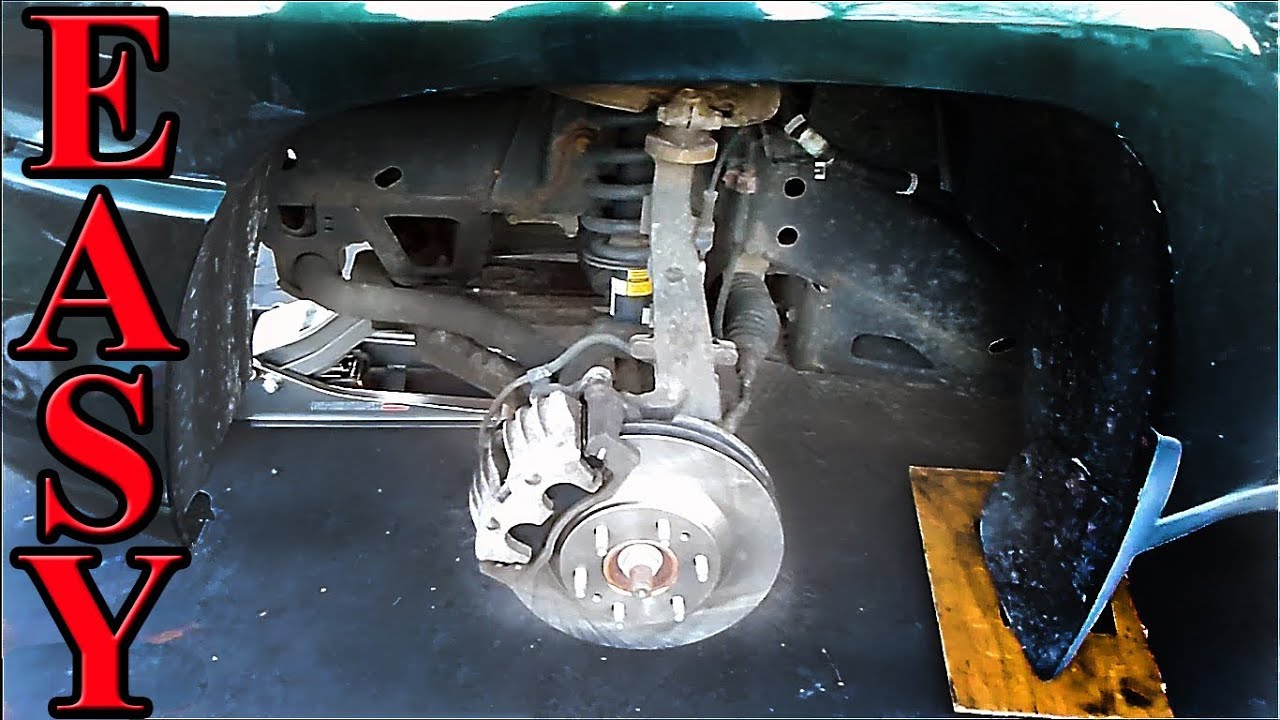
If the rear wheel was struck during the accident, the repair is no longer just "bodywork." The 2018 Mustang utilizes an Independent Rear Suspension (IRS) system. A side-impact hit to the wheel can easily bend a control arm, damage a wheel bearing, or shift the rear subframe.
A reputable repair facility will perform a four-wheel alignment early in the process. Think of the alignment printout as a medical report for your car's suspension. If the measurements do not meet Ford's factory specifications, it indicates hidden mechanical damage that must be addressed to ensure the car handles safely. Furthermore, if the wheelhouse (the metal housing around the tire) is pushed inward, it can interfere with the suspension travel or mounting points for the shock absorbers.
Modern Technology: LEDs and BLIS Sensors
The 2018 Mustang features signature LED tail lamps that are expensive and contain sensitive circuitry. If the mounting pocket behind the lamp is off by even a few millimeters, the lamp will not sit flush, and the trunk may not seal properly, leading to water leaks.
Additionally, many Mustangs are equipped with Blind Spot Information Systems (BLIS). These radar sensors are located behind the rear bumper cover near the quarter panels.
- Radar Interference: These sensors "see" through the bodywork. If a shop applies too much body filler (Bondo) to the quarter panel near the sensor, it can block the radar signals.
- Calibration: If the sensors are removed or the underlying structure is repaired, the system may require a specialized calibration procedure. Failing to do this can result in the safety system failing to warn you of a vehicle in your blind spot.
Parts Selection: OEM, Aftermarket, and Recycled
The type of parts used for your repair is often dictated by your insurance policy language. It is important to understand the differences:
- OEM (Original Equipment Manufacturer): Parts made by Ford. These offer the most predictable fit and metallurgical properties for structural repairs.
- Aftermarket: Parts made by a third party. While insurance companies often suggest these to save costs, they may not always meet the same fitment standards for a complex structural panel like a quarter panel.
- Recycled/LKQ: These are "used" parts from a donor vehicle. For a quarter panel, this involves "clipping" a section off another car and welding it onto yours.
Review your policy or speak with your agent to see if you have an "OEM Parts Endorsement." If your policy specifies aftermarket parts, you may have the option to pay the price difference out of pocket to ensure factory-new components are used.
Final Inspection Checklist for Owners
Before you take delivery of your Mustang, perform a thorough "Quality Control" check:
- Check the Gaps: Ensure the gaps between the trunk lid and the quarter panel are even on both sides.
- Fuel Door Operation: Open and close the fuel door several times to ensure it doesn't stick.
- Paint Match: Look at the repair in natural sunlight. The metallic flakes in the new paint should match the original factory finish without looking "cloudy."
- Dashboard Lights: Ensure there are no warning lights for airbags, tire pressure, or the BLIS system.
- Test Drive: Listen for any new rattles from the rear of the car and ensure the steering wheel is perfectly centered when driving straight.
Repairing a 2018 Mustang correctly requires a partnership between you, the repair facility, and the insurance company. By understanding that a quarter-panel hit involves structural, mechanical, and electronic systems, you can ensure your vehicle is returned to its pre-accident condition.
Written by Curtis Castiglione



No Comments Yet
Be the first to comment on this article.