Curtis.Castiglione@ROzebra.com
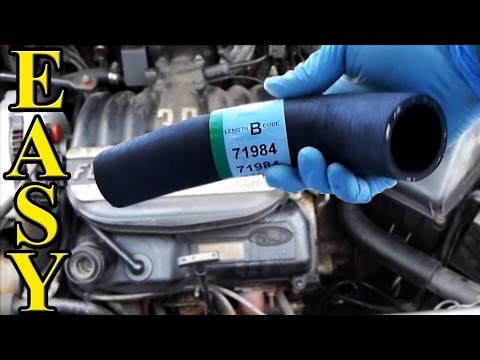
Radiator Hose Replacement Cost Guide
By Curtis Castiglione
If you have noticed a puddle of bright green, orange, or pink fluid under your car, or if you see steam rising from under the hood, you are likely facing a cooling system issue. One of the most common culprits is a failed radiator hose. For most vehicle owners, a radiator hose replacement cost typically ranges between $150 and $400.
While the hose itself may only cost a fraction of that total, the final price is driven by labor, the cost of fresh coolant, and the complexity of your specific vehicle engine bay. As a service writer, I often see customers surprised that a rubber tube can cost several hundred dollars to replace. However, when you consider that this rubber tube is the only thing preventing your engine from reaching temperatures high enough to melt its internal components, the investment is well worth it.
In this guide, we will break down the radiator hose replacement cost, what factors influence the final bill, and how to tell if you are being offered a fair price.
What Is a Radiator Hose Replacement?
Your engine generates an incredible amount of heat. To keep it from seizing, a mixture of water and antifreeze (coolant) circulates through the engine block. The radiator hoses are the critical conduits that carry this coolant between the engine and the radiator.
Most vehicles have two main hoses:
- Upper Radiator Hose: Carries hot coolant from the engine to the radiator to be cooled.
- Lower Radiator Hose: Returns the cooled fluid back to the engine.
Over time, these hoses are subjected to extreme temperature swings, high pressure, and chemical degradation from the inside out. Eventually, the rubber becomes brittle, soft, or develops small cracks. A replacement involves draining the cooling system, removing the old hose and its clamps, installing a new unit, and refilling the system to ensure no air pockets remain.
Average Radiator Hose Replacement Cost
The radiator hose price can vary significantly based on your vehicle specifications. On average, you can expect the following breakdown:
- Parts Cost: $35 to $120 per hose.
- Labor Cost: $100 to $250.
- Total Estimated Range: $150 to $400.
It is important to note that repair prices vary by geographic location, vehicle year, make, model, engine type, parts selection, local labor rates, taxes, and shop fees. A luxury European sedan will almost always have a higher radiator hose replacement cost than a domestic compact car due to part pricing and the time required to access the cooling system.
Parts Cost
A standard aftermarket radiator hose usually costs between $20 and $50. However, many modern vehicles use molded hoses with specific bends or integrated plastic quick-connect fittings. These proprietary designs can push the price of the part alone toward the $100 mark.
Furthermore, the repair involves more than just the hose. You will also pay for:
- New Hose Clamps: $5 to $15. (Standard worm-gear or spring clamps).
- Coolant and Antifreeze: $20 to $50. Depending on the vehicle, you may need two gallons of specialized coolant (such as OAT or HOAT formulas required by specific manufacturers).
Labor Cost
The radiator hose labor cost is usually based on one to two hours of work. While swapping a hose sounds simple, the technician must often remove air intake components, plastic engine covers, or even the battery tray just to reach the hose clamps.
Once the hose is replaced, the cooling system must be burped or bled. This is a time-consuming process where the technician runs the engine to operating temperature to ensure all air bubbles are purged from the system. If air is left in the lines, the car can still overheat even with a brand-new hose.

What Can Make the Repair More Expensive?
Several factors can drive the radiator hose replacement cost toward the higher end of the $400 range:
- Accessibility: On some V6 or V8 engines, the lower radiator hose is buried beneath the alternator, power steering pump, or structural frames. If the technician has to spend an extra hour disassembling other parts to reach the hose, your labor cost will increase.
- Multiple Hose Failures: If one hose has failed due to age, the others are likely in similar condition. Replacing both the upper and lower hoses simultaneously will increase parts and labor costs but is often more cost-effective than paying for two separate shop visits.
- Diagnostic Charges: If you bring the car in with a generic overheating complaint, the shop will likely charge a diagnostic fee (usually $100 to $150) to perform a cooling system pressure test. This ensures the leak is actually the hose and not a more expensive radiator or water pump issue.
Dealership vs. Independent Repair Shop
Where you take your vehicle will have a major impact on how much does radiator hose cost.
- Independent Repair Shop: These shops generally offer the best balance of price and quality. They use high-quality aftermarket parts and have lower labor rates than dealerships. You can expect to stay in the $150 to $300 range here.
- Dealership: The dealership will use Original Equipment Manufacturer (OEM) parts, which are often more expensive. Their labor rates are also higher, typically pushing the total cost to $300 to $500. Use a dealer if your car is still under warranty or requires a highly specialized cooling system bleeding procedure.
- DIY Repair: If you are mechanically inclined, you can replace a radiator hose for the cost of parts and coolant ($60 to $120). However, be warned: cooling systems are pressurized and can cause severe burns if handled incorrectly. You must also ensure the coolant is disposed of properly, as it is toxic to pets and the environment.
Can I Drive With This Problem?
If you are asking, can I drive with a leaking radiator hose, the answer is almost always no.
A small pinhole leak can rapidly turn into a total hose rupture under pressure. If the hose bursts while you are driving, the engine will lose its coolant in seconds. Without coolant, engine temperatures skyrocket, which can lead to a warped cylinder head or a blown head gasket—repairs that cost thousands of dollars. If your temperature gauge is rising or you see steam, pull over immediately and have the vehicle towed.

How to Avoid Paying for Unnecessary Repairs
To ensure you are not paying for work you do not need, follow these tips:
- Ask for a Pressure Test: The technician attaches a pump to the radiator and pressurizes the system while the engine is off. This clearly identifies exactly where the leak is coming from.
- Avoid the Total Overhaul Trap: Be wary of shops that suggest a total cooling system overhaul just because one hose is leaking, unless your vehicle is very old (over 100,000 miles). While it is smart to replace related items like the thermostat while the system is already drained, you should not feel pressured into replacing a functional radiator or water pump without evidence of failure.
- Understand the Code: If your Check Engine light is on, an OBD-II code for Engine Overtemp does not specifically mean the hose is bad; it just means the engine is hot. Physical inspection is the only way to confirm a hose failure.
Questions to Ask the Repair Shop
Before you authorize the work, ask your service writer:
- Does the estimate include a full cooling system pressure test to confirm the leak location?
- Are you replacing the hose clamps, or reusing the old ones? (New ones are highly recommended).
- Does the price include the cost of a full coolant refill and system bleeding?
- Is there a warranty on the parts and labor?
- While you are in there, did you notice any signs of leaks from the water pump or radiator?
Bottom Line
Is radiator hose worth it? Absolutely. Compared to the $3,000 to $5,000 cost of an engine replacement, spending $250 on a new hose is one of the smartest maintenance moves you can make. By understanding the components involved and the labor required, you can walk into the repair shop confident that you are getting a fair deal on your radiator hose replacement cost.



No Comments Yet
Be the first to comment on this article.