Curtis.Castiglione@ROzebra.com

Professional Used Car Inspection Guide
By: Curtis Castiglione
Date: August 9, 2026
Category: DIY and Inspection
Buying a used car is often a high-stakes gamble. While a shiny exterior and a fresh coat of tire shine might look promising, what lies beneath the hood or tucked away in the onboard computer can lead to thousands of dollars in unexpected repairs.
At ROzebra, we believe in empowering consumers to take control of the car-buying process. Professional pre-purchase inspections (PPIs) are incredibly valuable, but they typically cost between $150 and $300 per vehicle. If you are cross-shopping several cars, those fees add up quickly. By learning the step-by-step framework used by professional mechanics, you can weed out the "lemons" yourself and save your money for a professional inspection only when you are serious about a winner.
Key Factors to Consider: The Professional Inspection Framework
When you approach a used vehicle, you need to look past the aesthetics. A professional-grade inspection focuses on four core pillars that determine the vehicle's true value and longevity.
1. Fluid Health and Gasket Integrity
Fluids are the lifeblood of a vehicle. You aren’t just checking if the levels are "full"; you are checking for quality and contamination.
- Engine Oil: Should be amber or black. If it looks "milky" or like a chocolate milkshake, walk away—this is a classic sign of a blown head gasket.
- Coolant: Should be bright green, orange, or pink. Brown or oily coolant indicates internal engine leaks.
- The "Weep" Test: Look for "weeping" gaskets (dampness around seals). While minor weeping is common in older cars, active drips are the early signs of expensive labor bills.

2. Structural Integrity and Accident History
A clean vehicle history report doesn’t always mean a clean history. Mechanics look for physical "witness marks" that suggest a car has been dismantled.
- Bolt Check: Look at the bolts holding the fenders and hood in place. If the paint on the bolt heads is scratched or chipped, those panels have been removed or replaced.
- Frame Rails: Inspect the frame rails (visible under the car or in the engine bay) for non-factory welds, ripples, or crumpling. These are dead giveaways of a major past collision that wasn't reported to insurance.
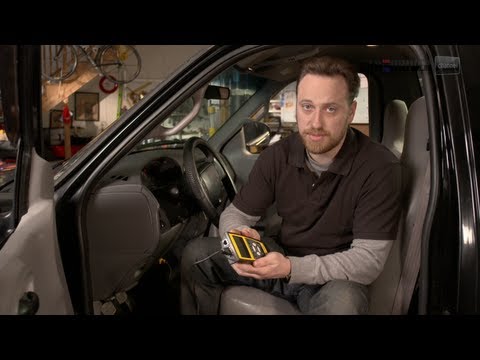
3. Electronic Health (The OBD2 Scan)
Modern cars are essentially rolling computers. A dishonest seller might clear a "Check Engine" light five minutes before you arrive to hide a major issue.
- Monitor Status: A professional-grade scanner checks if the "Monitors" are "Ready." If they are "Not Ready," it means the codes were recently cleared, and the car’s computer hasn’t had enough driving time to re-detect the fault. This is a massive red flag.
4. Suspension and Tires
Tires are the ultimate "silent communicators" of a car's health.
- Uneven Wear: If the inside edge of a tire is worn more than the outside, the car likely has alignment issues or worn-out suspension components like ball joints or control arms.
- The Bounce Test: During a test drive, listen for clunking or popping over bumps, which suggests worn-out struts or bushings.

Top Product Picks: The Professional Inspection Toolkit
To inspect a car like a pro, you need more than just your eyes. We have curated the essential tools to help you uncover hidden issues.
Best Overall OBD2 Scanner: Innova 5610 CarScan Pro
The Innova 5610 is our top pick because it bridges the gap between a DIY tool and a professional shop scanner. It allows you to see "Live Data," showing you exactly how the engine is performing during your test drive.
Pros:
- Professional-level bi-directional controls to test specific components.
- Instant "Emission Status" LEDs (Green/Yellow/Red) for quick checks.
- Includes a battery and alternator charging system test.
Cons:
- Higher price point than basic code readers.
- The interface has a slight learning curve for beginners.
Best Inspection Light: Braun 500 Lumen Foldable LED Work Light
You cannot find what you cannot see. This slim, rechargeable light is designed to fit into the tightest crevices of an engine bay.
Pros:
- Incredibly affordable and durable.
- Magnetic base allows for hands-free inspection of the suspension and undercarriage.
- USB rechargeable for convenience.
Cons:
- Battery life is limited to roughly two hours on the highest setting.
- The magnet can struggle on areas with heavy road grime or vibration.

Best Budget Tool: CarVertical VIN Report
Before you even pick up a wrench, you should run the VIN. CarVertical is our preferred choice for catching international history and hidden mileage rollbacks that standard reports might miss.
Pros:
- Detailed historical data, often including photos from previous insurance auctions.
- Excellent mobile interface for on-the-spot checks.
- Often catches mileage discrepancies that other major brands missed.
Cons:
- Requires a per-report fee.
- Small, independent repair shops may not always report data to the system.
Frequently Asked Questions (FAQs)
What if the seller won't let me use an OBD2 scanner?
Walk away immediately. There is no legitimate reason to prevent a diagnostic scan unless the seller is trying to hide a cleared trouble code or a failing emissions system. A refusal is almost always an admission of an underlying issue.
Is a small oil leak a deal-breaker?
Not necessarily. It is all about the location. A leaking valve cover gasket is often a $200 fix that you can use as a bargaining chip. However, a leaking rear main seal can cost $1,500 or more in labor because the transmission usually has to be removed to reach it.
How can I tell if a car has been repainted?
Run your hand along the edges of the doors and the fuel door. If the edge feels rough (like fine sandpaper), that is "overspray" from a body shop. You should also look for "orange peel"—a texture in the paint that does not match the smooth factory finish of the rest of the car.
Conclusion and Final Verdict
Inspecting a used car is about gathering evidence to make an informed decision. No used car is perfect, but your goal is to ensure the price you pay reflects the vehicle's actual condition, rather than the seller's best-case scenario.
For the best results, start with a CarVertical VIN report to verify the car's history. When you meet the seller, use the Braun Work Light to hunt for leaks and the Innova 5610 to ensure the computer isn't hiding any expensive secrets. If the frame is straight, the fluids are clean, and the OBD2 monitors are "Ready," you are likely looking at a solid investment rather than a money pit.
Final Tip: A 20-minute inspection today can save you 20 months of repair bills tomorrow. Be objective, be thorough, and do not be afraid to walk away from a bad deal.



No Comments Yet
Be the first to comment on this article.