Curtis.Castiglione@ROzebra.com

Mazda CX-3 Wheel Impact Repair and Insurance Guide
When a 2018 Mazda CX-3 sustains a direct hit to a front wheel—whether from a collision with another vehicle or a significant impact with a curb—the damage is rarely limited to what you can see from the outside. While a scuffed wheel or a flat tire might be the most obvious issues, the mechanical consequences beneath the fender can create a complicated insurance claim and a multi-stage repair process.
In the world of collision repair, wheel impacts are notorious for hidden damage. What looks like a simple wheel replacement can easily spiral into a significant mechanical overhaul. Understanding why this happens and how the insurance claim process handles it is essential for any vehicle owner.
Does insurance cover suspension damage from a wheel impact?
Generally, if you have collision coverage, your insurance policy will cover damage resulting from an impact, including mechanical components like struts, control arms, and sensors. However, these claims are often more complex than a simple bumper replacement.
Insurance companies distinguish between collision damage and wear and tear. For a 2018 model, which may have significant mileage, an adjuster will look for pre-existing conditions. If a technician finds that your strut was already leaking or your control arm bushings were dry-rotted prior to the accident, the insurer may attempt to prorate the cost of the parts (paying only a percentage of the replacement) or deny portions of the mechanical repair entirely.
Practical Tip: Ensure your repair facility documents the specific point of impact and the nature of the failure. A clean break or a fresh bend is easier to justify to an insurance company than a component that simply looks old.
Why Estimates Change: The Reality of Hidden Damage
The primary reason a repair estimate for a Mazda CX-3 increases after the initial inspection is the nature of suspension geometry. A visual estimate performed by an insurance adjuster in your driveway often only accounts for the most obvious damage. Once the vehicle is on a lift and the teardown process begins, the true scope of the damage is revealed.
1. The Steering Knuckle and Strut
In a 2018 CX-3, the strut and the steering knuckle are precision-engineered to hold the wheel at specific angles, known as camber, caster, and toe. Even a bend of a few millimeters—invisible to the naked eye—will prevent the vehicle from being properly aligned. If the shop cannot bring the car into factory specifications during an alignment, they must work backward to find the bent component.
2. The Lower Control Arm
This component is designed to manage the movement of the wheel. During an impact, the control arm often acts as a sacrificial part, absorbing energy to protect the vehicle’s more expensive frame or subframe. While this is a safety feature, it means the arm is frequently deformed, even in low-speed impacts.

3. The ABS Sensor and Wiring
The Anti-lock Braking System (ABS) sensor is located in close proximity to the wheel hub. When a wheel is pushed back during an impact, it can stretch, pinch, or sever the wiring harness. A common frustration for owners is that the ABS or traction control warning light may not illuminate immediately. It might only trigger once the vehicle reaches a certain speed or during a test drive after the physical components have been replaced.
Why the Alignment is the Most Important Diagnostic Tool
On modern vehicles, a wheel impact is not just a mechanical issue; it is a digital one. A professional repair must include:
- A Pre-Repair Diagnostic Scan: To identify hidden fault codes in the computer system.
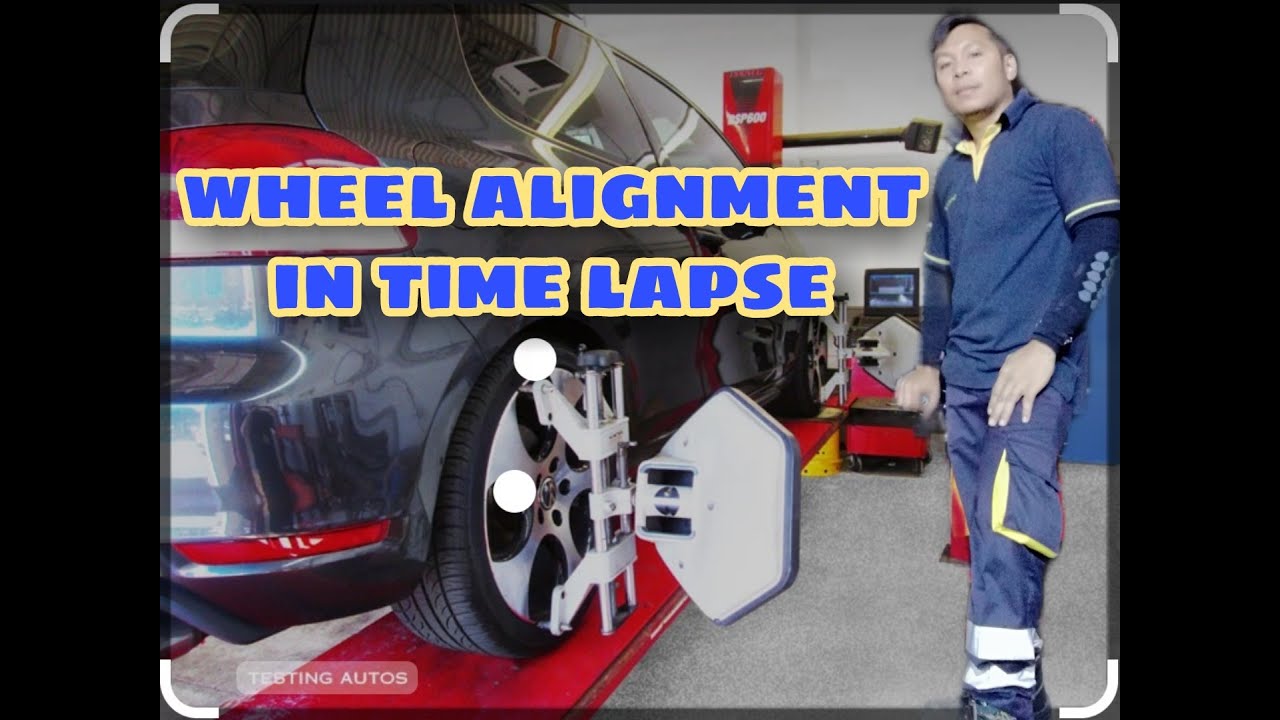
- A Four-Wheel Alignment: This provides a printout that serves as proof for the insurance company. If the alignment readings are in the red, it justifies the replacement of parts that may look perfectly fine to the eye.
- ADAS Calibration: The 2018 Mazda CX-3 may be equipped with Advanced Driver Assistance Systems (ADAS). If the suspension is bent or the alignment is off, the sensors that control lane departure warnings or emergency braking may not function correctly. A post-repair scan is required to ensure these systems are communicating.
Parts Selection: Can I Choose OEM?
A significant point of contention in insurance claims is the type of parts used. Many policies contain provisions for Like Kind and Quality (LKQ) parts, which refers to recycled parts from a salvage yard, or aftermarket parts made by a third party.
For a 2018 Mazda CX-3, using a recycled steering knuckle or control arm can be risky if the donor vehicle’s history is unknown. However, unless your policy specifically guarantees Original Equipment Manufacturer (OEM) parts, the insurer may only pay for the cheapest available option that meets safety standards. You always have the right to request OEM parts, but you may be responsible for the price difference between the aftermarket part the insurance company quoted and the OEM part the shop ordered.
What happens when the shop finds more damage?
It is very common for a suspension repair to take longer than a standard body repair. This is due to the Supplement Process:
- The shop replaces the obviously bent parts.
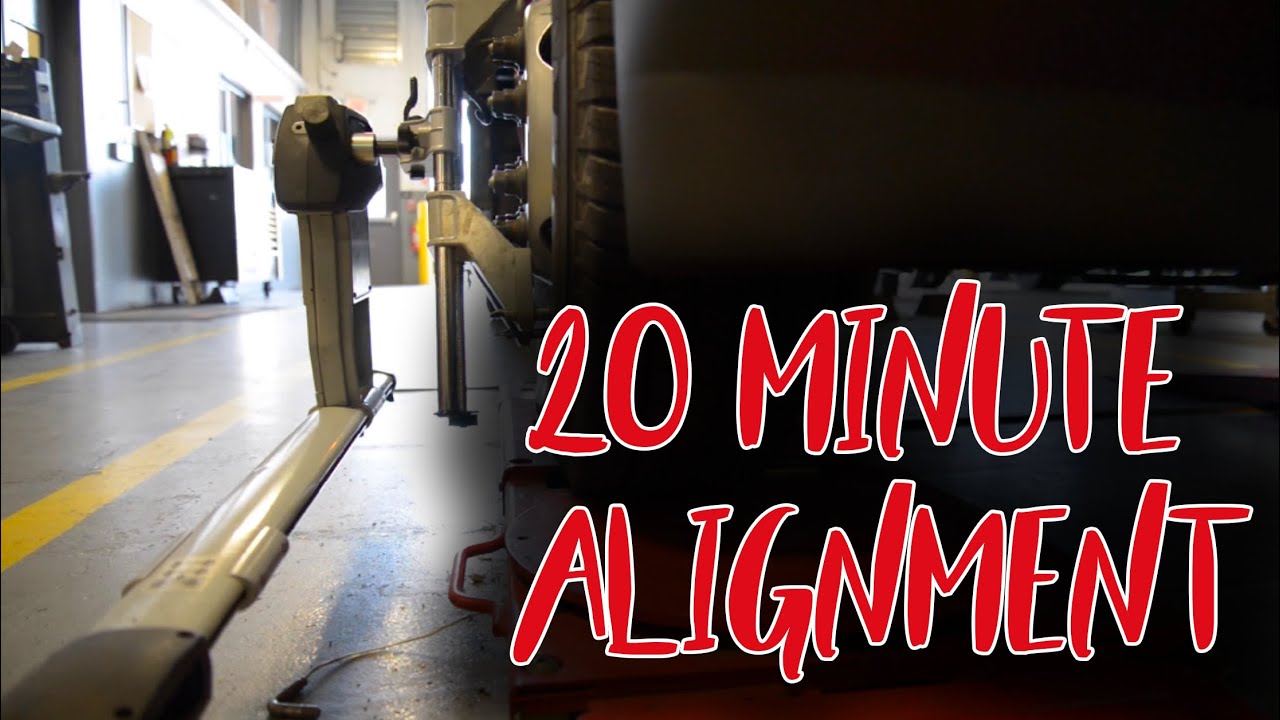
- They put the car on the alignment rack.
- The measurements show the car is still out of spec.
- The shop identifies a secondary bent part, such as a subframe or steering rack.
- They must stop work, invite the insurance adjuster back to verify the damage, and wait for approval for the additional parts and labor.
Practical Steps for the Vehicle Owner
If you have experienced a front-wheel impact, follow these steps to protect your vehicle and your claim:
- Do not assume the car is safe to drive: A bent control arm or a compromised strut can fail unexpectedly under load, leading to a loss of steering control.
- Document the impact: Take photos of the wheel's position within the wheel well. If the wheel looks tucked or tilted compared to the other side, the damage is likely structural or mechanical.
- Request the Alignment Sheet: Always ask your repair facility for the before and after alignment printout. This is your documentation that the mechanical integrity of the vehicle has been restored.
- Check for Warning Lights: Be vigilant about ABS, Traction Control, or TPMS lights appearing in the days following the repair.
While the insurance company pays for the loss, you are the one authorizing the repairs. Ensure your shop is checking the ABS sensors and performing the necessary calibrations. If there is a disagreement between your shop and the insurance company regarding a procedure, refer to the Mazda manufacturer repair positions, which provide the gold standard for how the vehicle must be returned to its pre-accident condition.



No Comments Yet
Be the first to comment on this article.