Curtis.Castiglione@ROzebra.com

Jeep Cherokee Collision Cooling Damage
By Curtis Castiglione
If you have been involved in a front-end collision in a 2017 Jeep Cherokee, you might be surprised to find that a seemingly minor impact to the plastic bumper cover resulted in a repair estimate that includes a radiator, an air conditioning condenser, and a cooling fan assembly. To the untrained eye, the vehicle may look perfectly drivable, but beneath the surface, the cooling stack is often the first victim of a forward impact.
Understanding how these components interact, how insurance companies estimate the damage, and why a thorough teardown is necessary can help you navigate the repair process and ensure your vehicle is returned to a safe, reliable condition.
The Domino Effect of the Cooling Stack
Modern vehicles like the Jeep Cherokee are designed with what is known as a cooling stack. This is a series of components sandwiched tightly together behind the grille and bumper.
- A/C Condenser: Sits at the very front to catch the most airflow.
- Radiator: Located directly behind the condenser.
- Electric Cooling Fan Assembly: Positioned behind the radiator, closest to the engine.
Because there is very little dead space between these parts, an impact that pushes the bumper or grille inward by just two or three inches creates a domino effect. The condenser is pushed into the radiator, and the radiator is pushed into the cooling fan. Even if the radiator is not leaking immediately, the mounting brackets may be cracked, or the cooling fins may be crushed. This restricts airflow and causes structural stress that can lead to catastrophic overheating miles down the road.
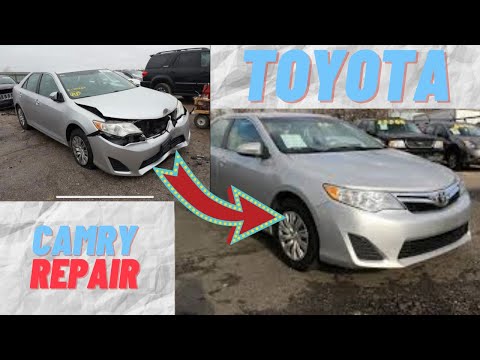
Why Estimates Change: The Visual Inspection vs. The Teardown
One of the most common points of frustration for vehicle owners is the disappearing estimate. You receive an initial estimate for a few hundred dollars, but two days later, the shop calls to say the total has tripled or quadrupled.
This happens because insurance adjusters or shop estimators often write a visual-only estimate initially. They can see the cracked grille and the scuffed bumper, but they cannot see the mounting tabs on the radiator or the hairline fractures in the cooling fan shroud hidden behind the impact bar.
The teardown is the most critical part of a collision repair. Once the shop removes the front bumper cover and the structural impact bar, they can inspect the cooling package properly. If they find the radiator is leaking or the condenser is bent, they will submit a supplement to the insurance company. A supplement is a request for additional parts, labor, or materials found after the initial inspection. As a vehicle owner, you should expect the final repair cost to move upward after the vehicle is disassembled; this is usually a sign of a thorough shop.
Diagnosing the Cooling Fan and Electrical System
A common mistake in collision repair is parts swapping—simply replacing components that look broken without testing the systems they belong to. A cooling fan that does not operate after a collision could have a damaged motor, a cracked connector, or a severed wiring harness.
If the shop replaces the fan without diagnosing the circuit, they might find out too late that a control module or a wiring connector was the actual culprit. A professional repair facility should perform a diagnostic pre-scan of the vehicle computers. If the accident caused a short circuit in the fan, the computer likely stored a fault code that can prove the damage was collision-related to the insurance company.

The R-1234yf Refrigerant Factor
If your 2017 Jeep Cherokee requires a new A/C condenser, the cost may be significantly higher than you expect due to the type of refrigerant used. Most 2017 models transitioned to R-1234yf, a more environmentally friendly but much more expensive gas than the older R-134a.
- Recharge Costs: The cost of the refrigerant alone can add hundreds of dollars to the estimate.
- System Integrity: If the condenser was punctured, moisture enters the A/C lines. This requires the replacement of the receiver-drier and specific vacuum procedures to prevent the A/C compressor from failing months later.
- Documentation: Your shop must follow manufacturer-specific procedures to ensure the longevity of the A/C system. Simply topping it off is not a professional or lasting repair.

Common Mistakes and Customer Responsibility
The biggest mistake an owner can make is assuming that because the car is not leaking fluid on the ground, it is safe to drive. If the cooling fan mounts are broken, the fan can lean into the radiator while you are driving. Over time, the spinning blades can saw through the radiator tubes, causing a sudden loss of coolant and potentially destroying the engine.
While insurance typically covers accident-related damage, be aware of betterment. This occurs if a wear-and-tear item—like an old serpentine belt or engine coolant that was already due for a change—is replaced during the repair. While rare on newer vehicles, some policies allow the insurer to charge the customer a percentage of the part cost if the new part increases the value of the vehicle or replaces a maintenance item.
Questions to Ask Your Repair Facility
Before authorizing the final stages of the repair, ask these four practical questions:
- Did you perform a pre-scan and post-scan? This ensures no hidden electrical codes remain and proves the damage was related to the accident.
- Was the radiator support measured? This ensures the cooling stack sits correctly and isn't under tension.
- Did you use a vacuum-fill tool for the coolant? Modern Jeep engines are prone to air pockets that can cause localized engine hot spots if the coolant is not filled correctly.
- Was the A/C system recharged with the correct weight of R-1234yf? There should be a sticker under the hood and documentation on your final invoice verifying the correct refrigerant type and weight.
By focusing on these mechanical details rather than just the exterior paint, you ensure that your Jeep Cherokee is as safe and reliable as it was before the accident. Remember that you have the right to choose a repair facility that prioritizes these diagnostic steps and uses proper documentation to ensure your insurance claim is handled accurately.



No Comments Yet
Be the first to comment on this article.