Curtis.Castiglione@ROzebra.com

How to Take Care of Your Automotive Tools
Investing in a quality set of automotive tools is one of the most rewarding steps for any DIY mechanic or vehicle owner. Whether you are performing a basic oil change on a commuter sedan or rebuilding the suspension on a heavy-duty truck, your tools are the bridge between your hands and the machine. However, many people forget that car tools require their own maintenance to remain reliable and safe.
A well-maintained set of mechanic tools can last for decades, while a neglected set can succumb to rust, stripping, and mechanical failure in just a few years. Learning how to take care of your automotive tools is not just about keeping things looking shiny; it is about ensuring that when you are halfway through a repair, your equipment works exactly as intended.
What Is Automotive Tool Care?
Automotive tool care is the habitual practice of cleaning, inspecting, and storing the various instruments used for vehicle repair. This category includes everything from basic hand tools like wrenches and sockets to more complex car diagnostic tools and heavy garage tools like floor jacks or jack stands.
Because automotive work involves harsh chemicals, high torque, and metallic debris, these tools are exposed to much more abuse than standard household tools used for simple tasks. Proper care ensures that the professional automotive equipment you have invested in remains a safe and functional part of your garage for years to come.
What Does Tool Maintenance Do?
The primary goal of maintaining your automotive equipment is to prevent the four main enemies of metal: rust, contamination, corrosion, and physical deformation.
- Rust: This occurs when steel is exposed to moisture and oxygen. Even a small amount of surface rust can make a socket fit poorly on a bolt, leading to stripped fasteners.
- Contamination: This happens when chemicals like brake fluid or battery acid eat away at protective coatings or seep into moving parts, like the gears in a ratchet.
- Corrosion: Often the result of road salt or chemical reactions between different types of metal.
- Physical Deformation: This occurs when a tool is used incorrectly, causing it to bend, crack, or "round off" at the edges, making it useless for precision work.
By following a maintenance routine, you ensure that your tools maintain their precision and structural integrity, preventing them from failing when you need them most.

How to Take Care of Your Automotive Tools: The Process
The process of caring for your garage tools generally follows a simple workflow: clean, dry, inspect, and store.
Keep Tools Clean
Cleaning is the most frequent task. During a typical repair, your hands and tools will likely be covered in engine oil, grease, or coolant. Some automotive fluids, like brake fluid, are actually quite corrosive and can damage the finish of your tools if left to sit.
After the job is finished, wipe down every tool used with a clean, lint-free rag. For stubborn grease, a small amount of mild degreaser can be used, but avoid soaking tools in harsh chemicals that might damage plastic handles or dissolve the internal lubricants in ratchets.
Keep Tools Dry
Moisture is the fastest way to ruin vehicle repair tools. Even if you did not get the tools wet with a hose, humidity in the air can settle on cold metal. If you store a damp tool in a closed metal drawer, you are creating a perfect environment for oxidation.
Always wipe tools completely dry before putting them away. This is especially important if you work in an unheated garage where temperature swings cause condensation to form on metal surfaces.
Inspect Your Tools
Periodic inspection is a safety necessity. This involves looking for hairline cracks in sockets, checking that ratchet mechanisms click smoothly in both directions, and ensuring that electrical cords on car diagnostic tools are not frayed or pinched. If a tool feels "crunchy" or loose, it may need internal lubrication or replacement. A tool that fails under heavy load can cause serious injury.
Store Tools Properly
A dedicated toolbox or cabinet protects your DIY automotive tools from dust and accidental drops. Proper storage also helps you stay organized. If every tool has a specific home in a drawer, you will immediately notice if a socket is missing before you close the hood of the car, preventing the tool from falling into moving engine parts.

When Should You Perform Maintenance?
Tool care should happen after every use, but some situations require more intensive attention. For example, if you have been working on the undercarriage of a truck during the winter, your tools have likely been exposed to road salt.
Salt is extremely corrosive to chrome and steel. In this case, a simple wipe might not be enough; you may need to use a damp cloth to remove the salt residue and then immediately follow up with a dry cloth and a light coating of machine oil.
Another time for maintenance is during seasonal changes. If you live in a high-humidity climate, it is a good idea to open your toolbox once a month to check for "flash rust." Some enthusiasts even add silica gel packets to their tool drawers to absorb excess moisture from the air.
Types of Automotive Tool Care
Different tools require different levels of attention based on how they are built:
- Hand Tools: Wrenches, ratchets, and sockets mostly need cleaning and light oiling. Ratchets have internal gears that may occasionally require a drop of light machine oil to keep the directional switch from sticking.
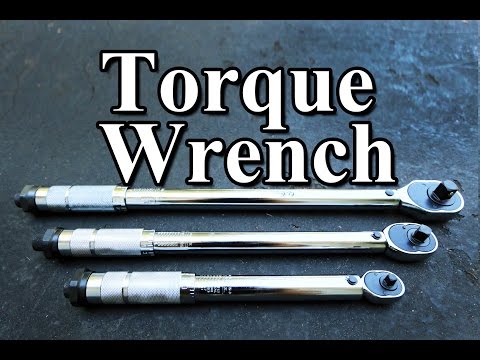
- Precision Tools: Torque wrenches are sensitive. A torque wrench should always be dialed back to its lowest setting before storage. This takes the tension off the internal spring. If left under tension, the spring can lose its calibration, meaning the tool will no longer provide accurate measurements.
- Garage Equipment: Items like floor jacks and jack stands need to be checked for hydraulic fluid leaks and structural cracks. The moving pivot points on jacks should be greased periodically to prevent binding and ensure smooth lifting.
Choosing Tools for Longevity
When buying DIY automotive tools, the finish of the tool plays a large role in how much care it will need.
- Chrome-Plated Tools: These are very common because the chrome layer acts as a barrier against rust. They are easy to wipe clean, but the chrome can flake if hit with a hammer or dropped on concrete. Once the chrome flakes, the steel underneath is vulnerable to rust.
- Black Oxide Finishes: These are often found on impact sockets (the thick, black sockets used with air or electric power tools). While very durable, they do not offer the same rust protection as chrome. They require a light film of oil to stay in good condition and prevent surface corrosion.
DIY vs. Professional Tool Care
A professional mechanic might clean their tools every day because their livelihood depends on them. For a DIYer, the stakes are equally important but the environment is often harsher. A professional often works in a climate-controlled shop, whereas a DIY mechanic might work in a damp driveway or an uncooled garage. Because of this, the DIYer actually needs to be more vigilant about moisture and rust prevention than someone working in a professional shop environment.
Common Mistakes When Using Automotive Tools
The fastest way to destroy a tool is to use it for something it was not designed for. Misuse leads to damage that no amount of cleaning can fix.
- The Hammer Mistake: Using a ratchet or a wrench as a hammer can damage the internal gears or bend the handle.
- The Pry Bar Mistake: Using a long screwdriver as a pry bar can snap the tip or bend the shank. Screwdrivers are designed for rotational force, not leverage.
- The Impact Mistake: Using a standard chrome socket on an impact wrench is dangerous. Chrome sockets are brittle; the high-speed vibration of an impact gun can cause them to shatter. Always use dedicated impact sockets for power tools.
Safety Considerations
Safety is the most important reason to learn how to take care of your automotive tools. A cracked socket can explode under pressure, potentially causing serious injury to your eyes or hands. A greasy wrench can slip off a bolt, leading to "busted knuckles" or causing you to fall against a sharp engine component.
If you notice a tool is damaged—such as a mushroomed head on a punch or a frayed wire on a battery charger—it is always safer to replace the tool than to try and make it work.
Frequently Asked Questions
Can I use WD-40 to clean my tools? WD-40 is excellent for removing moisture and cleaning off light grease, but it is not a long-term lubricant. After cleaning with it, you should wipe the tool dry. If the tool has moving parts like a ratchet, apply a dedicated machine oil afterward.
How do I remove rust that has already started? Small spots of surface rust can often be removed with a wire brush or fine steel wool. Once the rust is removed, you must apply a protective coating of oil or wax to prevent it from returning to the exposed metal.
Why is it important to store a torque wrench at the lowest setting? Torque wrenches operate using a calibrated internal spring. If the spring is left compressed at a high setting for long periods, it can "set" or lose its tension. This leads to inaccurate measurements, which could result in over-tightened or loose bolts on your vehicle.
Conclusion
Knowing how to take care of your automotive tools is a habit that pays for itself over time. By keeping your car tools clean, dry, and properly stored, you ensure that your automotive equipment is always ready for the next project. Whether you are a beginner with a small set of DIY automotive tools or an enthusiast with a garage full of professional automotive equipment, the principles remain the same: respect your tools, and they will help you keep your vehicle on the road for years to come.



No Comments Yet
Be the first to comment on this article.