Curtis.Castiglione@ROzebra.com

How to Clean and Protect Automotive Hand Tools
Working on a vehicle is a rewarding but inherently messy process. Whether you are performing a simple oil change on a compact sedan or replacing a heavy-duty suspension component on a truck, your automotive tools are constantly exposed to harsh environments. Oil, grease, brake fluid, road salt, and metal shavings can quickly coat your wrenches, ratchets, and sockets.
If left uncleaned, this buildup can lead to rust, reduced functionality, and a shorter lifespan for your equipment. Understanding the best practices for maintaining your gear ensures they remain reliable and safe for years to come. For any DIYer or enthusiast, the tools in your garage represent a significant investment, and basic maintenance is the best way to protect that investment.
What Are Automotive Hand Tools?
Automotive hand tools are non-powered instruments used to perform manual tasks during vehicle repair and maintenance. This category includes common items such as wrenches, sockets, ratchets, screwdrivers, and pliers. Unlike power tools that rely on electricity or compressed air, hand tools rely on the physical force applied by the user.
Because they are often used in tight spaces where fluids leak or accumulate, car tools are specifically designed to be durable, but they are not indestructible. Most quality mechanic tools are made of steel alloys, often plated with chrome or finished with a black oxide coating to provide a level of corrosion resistance. However, even the high-grade steel used in professional automotive equipment will eventually succumb to the elements if it isn't properly maintained.
What Does Cleaning and Protecting Your Tools Do?
The primary purpose of cleaning and protecting your automotive equipment is to maintain the integrity of the tool's surface and moving parts. When oil and grease sit on a tool, they can trap moisture against the metal. This eventually leads to oxidation, which is the chemical process that creates rust.
Rust is the enemy of precision. It can make the stamped markings on a socket unreadable or cause the fine teeth inside a ratchet mechanism to seize or slip. Furthermore, clean tools are safer to use. A wrench coated in slippery engine oil is much more likely to slip out of your hand or off a bolt head while you are applying pressure. This can lead to "barked" knuckles (painful scrapes) or rounded fasteners that become nearly impossible to remove.
Protection involves applying a thin barrier—usually a light oil or a specialized wax—that keeps oxygen and moisture away from the metal surface. This prevents the chemical reaction that causes rust from starting in the first place.

How to Clean and Protect Automotive Hand Tools
Maintaining your DIY automotive tools involves a few straightforward steps that should ideally be performed at the end of every repair session.
Wiping Down After Use
The most basic form of maintenance is the "wipe down." Using a clean shop rag, wipe away any visible grease, oil, or dirt from the surface of your wrenches and sockets. For ordinary contamination, a dry rag is often enough. If the grime is particularly stubborn, you can use a small amount of mild degreaser or a dedicated tool cleaning spray. Avoid soaking tools in water for long periods, as this can actually encourage corrosion if they are not dried perfectly afterward.
Deep Cleaning
For tools that have been neglected or are covered in heavy buildup, a deeper clean may be necessary. A soft-bristled brush or even an old toothbrush can be used to scrub out the "knurling" (the textured grip area) on socket handles or the serrated "teeth" inside the jaws of pliers. For chrome-plated tools, avoid using steel wool or aggressive wire brushes. These can create microscopic scratches in the finish where rust can easily take hold.
Removing Surface Rust
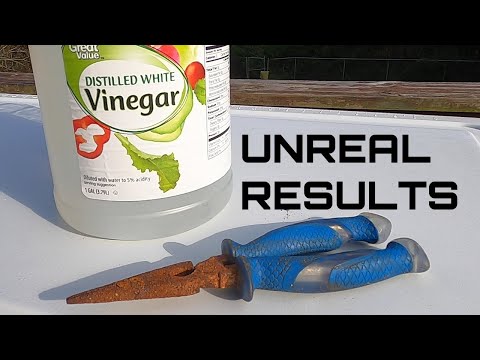
If you notice small brown spots of rust, address them immediately. Light abrasives, such as a synthetic scouring pad or a brass wire brush, can often remove surface oxidation without damaging the underlying metal. Once the rust is gone, the area must be cleaned and immediately treated with a protectant to prevent it from returning.
Lubricating Moving Parts
Ratchets, pliers, and adjustable wrenches have moving components that require lubrication. If a ratchet starts feeling rough or begins to slip, it usually means the internal mechanism is contaminated or dry. Some manufacturers provide specific instructions for opening and lubricating their ratchets. Generally, a few drops of light machine oil into the mechanism will keep the internal gears turning smoothly. For pliers, a drop of oil on the pivot point ensures they open and close without resistance.
When Would You Need to Clean Your Tools?
You should clean your vehicle repair tools whenever they have been exposed to automotive fluids or heavy dirt. For example, if you have just finished bleeding the brakes on a car, your wrenches and sockets may have been splashed with brake fluid. Brake fluid is highly corrosive and can damage tool finishes and paint if left to sit.
Similarly, if you are working on a vehicle during the winter in a region that uses road salt, any salt residue left on your garage tools will quickly lead to pitting and rust. A quick cleaning after every job prevents these substances from doing long-term damage.
Types of Tool Finishes
Different automotive equipment requires slightly different care based on its finish:
- Chrome-Plated: This is the most common finish for automotive hand tools. It is smooth, shiny, and easy to wipe clean. However, if the chrome chips or peels, the exposed steel underneath will rust quickly.
- Black Oxide: Often found on impact sockets and some heavy-duty tools, this finish is more porous than chrome. It holds oil well, which helps prevent rust, but it requires more frequent re-oiling to maintain its protective qualities.
- Polished vs. Matte: Polished tools are easier to clean because grime has nowhere to hide, but they can be slippery when greasy. Matte finishes provide better grip but can trap dirt in the texture of the metal.
What Should You Look for When Choosing Cleaning Supplies?
When selecting products to maintain your car tools, look for items that are specifically safe for metals. A high-quality degreaser is helpful for removing heavy grease. For protection, many mechanics prefer a light machine oil or a specialized tool wax.
Avoid using products that contain heavy silicone, as these can make the tools excessively slippery and dangerous to handle. Also, avoid products that contain water as a primary ingredient, which could contribute to rust if the tool is stored in a humid garage environment.
DIY vs. Professional Use
For the DIY mechanic, tool maintenance is about protecting an investment. A good set of sockets can last a lifetime if cared for. For professional automotive technicians, tool maintenance is also about efficiency and professionalism. A professional with clean, well-organized tools can work faster and avoid the frustration of a seized ratchet in the middle of a busy workday. Regardless of your skill level, the process for cleaning is essentially the same.
Common Mistakes When Using and Cleaning Tools
One of the most common mistakes is storing tools while they are still damp or greasy. Tossing a wet wrench back into a dark, closed toolbox drawer is a recipe for a drawer full of rust by the next time you open it.
Another mistake is using the wrong lubricant. Using a heavy grease inside a fine-tooth ratchet can cause the mechanism to "gum up" and fail to engage, which can be dangerous when you are leaning into a bolt. Finally, do not use a bench grinder or heavy sandpaper to clean your tools. This removes too much material and can destroy the protective plating and the precise tolerances of the tool.
Safety Considerations
When cleaning automotive tools, always wear eye protection if you are using spray cleaners or wire brushes, as debris and chemicals can easily fly into your eyes. If you are using chemical degreasers, work in a well-ventilated area and consider wearing nitrile gloves to protect your skin from irritation.
Additionally, be mindful of "shop rags." Rags soaked in oil or cleaning solvents can be a fire hazard if piled up; they should be stored in a metal container with a lid or disposed of according to local safety regulations.
Frequently Asked Questions
Can I use WD-40 to protect my tools? WD-40 is a water displacer and can be used to clean tools and provide short-term protection. However, it evaporates relatively quickly. For long-term storage or better rust prevention, a dedicated light machine oil or tool wax is usually more effective.
How do I clean the inside of my sockets? A small piece of rag pushed through the socket with a screwdriver can remove most grease. For stubborn buildup, a small round nylon brush (like a bottle brush) works well to reach the corners where the bolt head sits.
Should I oil my screwdrivers? You generally do not need to oil the handles, especially if they are plastic or rubber, as oil can degrade those materials. However, a very light wipe of oil on the metal shaft and tip can prevent rust, especially if they are stored in a damp garage. Make sure to wipe them dry before use so your hands don't slip.
Conclusion
Learning how to properly maintain your gear is a vital part of vehicle ownership and DIY maintenance. By removing dirt and fluids, addressing rust early, and keeping moving parts lubricated, you ensure that your car tools are always ready for the next job. Whether you are a beginner or a seasoned enthusiast, maintaining your automotive equipment will save you money and frustration in the long run, keeping your garage tools in peak condition for years of reliable service.



No Comments Yet
Be the first to comment on this article.