Curtis.Castiglione@ROzebra.com
How Much Does an Oil Leak Repair Cost?
By Curtis Castiglione
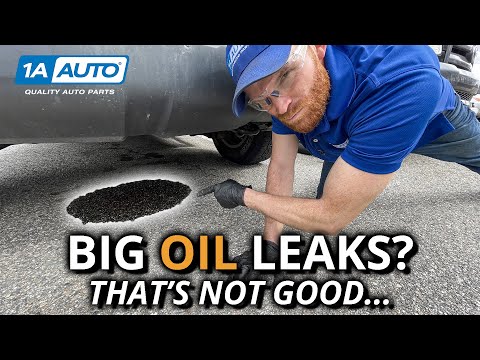
If you have discovered a dark puddle on your driveway or smelled something burning after a long drive, you are likely asking one primary question: how much does oil leak repair cost?
The short answer is that oil leak repairs typically range from as little as $150 to well over $2,000. This wide gap exists because an oil leak is not a single failure of one specific part. Instead, it is a symptom that can be caused by anything from a fifty-cent rubber O-ring to a labor-intensive rear main seal that requires pulling the entire transmission out of the vehicle.
To understand what you are likely to pay, you must first identify where the oil is escaping. This guide will break down the costs associated with common leak points, the labor involved, and how to tell if the repair is an immediate necessity or something that can wait.
What Is an Oil Leak Repair?
Internal combustion engines rely on pressurized oil to lubricate moving parts. To keep this oil inside the engine, manufacturers use a variety of gaskets (flat seals between two metal surfaces) and radial seals (circular seals around rotating shafts).
An oil leak repair is the process of identifying which of these barriers has failed and replacing it to restore the engine's integrity. Common components involved in these repairs include:
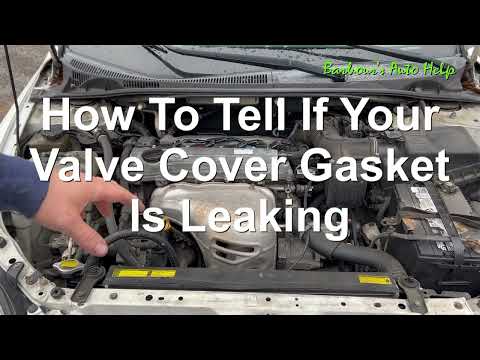
- Valve-Cover Gaskets: These seal the very top of the engine. When they fail, oil often leaks onto the hot exhaust manifold, causing a distinct burning smell.
- Oil-Pan Gaskets: Located at the bottom of the engine, these seal the reservoir where oil sits when the engine is off.
- Rear Main Seal: This is a circular seal located where the crankshaft exits the engine to connect to the transmission.
- Oil-Filter Housings: On many modern vehicles, the housing that holds the oil filter is made of plastic and can crack or leak at the mounting gasket.
- Camshaft and Crankshaft Seals: These keep oil from escaping the front or back of the engine shafts that coordinate engine timing.
Average Oil Leak Repair Cost
Because every vehicle is designed differently, there is no universal price. However, we can categorize repairs based on the average total cost owners typically encounter at a repair shop.
Note: Repair prices vary significantly by geographic location, vehicle year, make, model, engine type, and local labor rates. These figures are estimates to help you set a realistic budget.
- Minor Repairs ($150 – $400): These include replacing a leaking oil pressure sensor, a stripped drain plug, or a simple valve cover gasket on a basic four-cylinder engine.
- Mid-Range Repairs ($400 – $1,000): These typically involve oil pan gaskets on front-wheel-drive cars, oil filter housing gaskets, or timing cover seeps.
- Major Repairs ($1,000 – $2,500+): These are labor-heavy jobs like the rear main seal, upper oil pan gaskets on certain trucks, or engine-out services for luxury European vehicles.
Parts Cost
The irony of oil leak replacement cost is that the parts are often the cheapest item on the bill. A high-quality valve cover gasket or a rear main seal may only cost between $30 and $120. Even a complete oil pan might only cost $100 to $250.
However, specialty components like turbocharger oil lines or complex oil filter housing assemblies can push parts costs into the $300 to $500 range. When you see a high oil leak price, it is rarely because of the price of the rubber or silicone seal itself; it is because of the work required to reach it.
Labor Cost
Labor is the primary driver of the oil leak labor cost. Most professional repair shops charge between $120 and $220 per hour, depending on their location and specialization.
The complexity of the vehicle design dictates the labor time. For example, a valve cover gasket on a modern truck might take 1.5 to 2 hours of labor. Conversely, a rear main seal on that same truck might require 8 to 10 hours of labor because the technician must remove the driveshaft and the entire transmission just to access a $40 part.
What Can Make the Repair More Expensive?
Several factors can cause your estimate to climb higher than the national average:
- Vehicle Layout: In many Front-Wheel Drive (FWD) vehicles, the engine is packed tightly into the bay. To reach a simple seal, a technician might have to remove engine mounts, suspension components, or the subframe.
- All-Wheel Drive (AWD): AWD vehicles have extra components like transfer cases and extra driveshafts that often must be removed to reach oil pans or rear seals, significantly increasing labor time.
- Degreasing and Cleaning: If a leak has been active for a long time, the entire underside of the car may be coated in oil. Shops often charge for shop supplies or extra labor to clean the area so they can verify the repair was successful.
- Diagnostic Dye: If the source of the leak is not obvious, a shop may charge a diagnostic fee. This involves cleaning the engine, adding a fluorescent UV dye to the oil, and having you drive the car for a few days before inspecting it with a blacklight.
Dealership vs. Independent Repair Shop
A dealership will generally have the highest oil leak repair cost. They use Original Equipment Manufacturer (OEM) parts and have higher labor rates to cover the overhead of specialized tools and factory training.
Independent repair shops are usually more budget-friendly. They often have lower labor rates and can offer high-quality aftermarket gaskets that meet or exceed factory specs for a lower price.
For older vehicles, a specialty shop that focuses on your specific make (such as a dedicated German car specialist) can often be the best value. They may be faster at the job because they have performed the specific repair hundreds of times, which can lower your total labor bill.
Can I Drive With This Problem?
The answer to "can I drive with an oil leak" depends on the severity.
If you have a "seep"—which means the engine is damp with oil but no drops are hitting the ground—you can usually continue to drive while monitoring your oil level weekly. However, you should stop driving and seek immediate repair if:
- You see a puddle of oil larger than a coin after parking.
- The oil pressure warning light on your dashboard illuminates.
- You see smoke coming from under the hood (this is a fire hazard).
- You have to add a quart of oil more than once every 500 miles.
Running an engine low on oil can cause catastrophic engine failure. Replacing an entire engine is significantly more expensive than fixing even the priciest leak.

How to Avoid Paying for Unnecessary Repairs
The most important way to avoid unnecessary costs is to distinguish between a diagnosis and a repair. Do not assume that because you see oil on the bottom of the engine, the part at the bottom is the one that is leaking.
Gravity causes oil to run down. A leak at the very top of the engine (the valve cover) can make it look like the oil pan at the bottom is leaking. Always ask for a "degrease and dye" test if the source isn't 100 percent clear. Paying $100 for a proper diagnosis can save you $800 in "parts cannon" repairs where a shop replaces components that were actually fine.
Questions to Ask the Repair Shop
Before you sign a work order, ask the service writer the following:
- Is this a "seep" or an active "leak"?
- Did you use UV dye to confirm this is the primary source of the leak?
- While you are in there, are there other seals or belts that should be replaced to save on future labor? (For example, replacing a water pump while fixing a timing cover leak).
- Does this estimate include cleaning the engine so I can tell if the leak returns?
Bottom Line
Is oil leak repair worth it? Almost always, yes. It is an investment in the longevity of your vehicle. While the how much does oil leak repair cost question can lead to an intimidating answer, ignoring a leak can lead to ruined driveways, failed rubber suspension bushings, engine fires, or a completely seized motor.
Always get a written estimate that breaks down parts and labor separately. Remember that while the price varies by vehicle type, the most expensive oil leak is the one that you ignore until the engine stops running. Whether it is a $200 gasket or a $1,500 seal, knowing the source of the leak is the first step toward getting back on the road safely.



No Comments Yet
Be the first to comment on this article.