Curtis.Castiglione@ROzebra.com

How Much Does an Engine Replacement Cost?
By Curtis Castiglione
Engine replacement is perhaps the most significant repair a vehicle owner will ever face. It is the automotive equivalent of a heart transplant. Because the engine is the most complex component of your vehicle, replacing it involves extensive labor and high-value parts. If you are currently facing this situation, your primary question is likely: How much is this going to cost me, and what am I actually paying for?
On average, a total engine replacement cost typically ranges from $4,000 to more than $15,000. For a standard four-cylinder economy car, you might find options at the lower end of that scale, while a heavy-duty truck or a luxury European SUV can easily exceed the higher end. Because every vehicle is different, it is important to understand that repair prices vary significantly based on your geographic location, vehicle year, make, model, engine type, parts selection, local labor rates, and shop fees.
What Is Engine Replacement?
An engine replacement involves removing the existing internal combustion engine from the engine bay and installing a different unit. This is not a simple bolt-off, bolt-on procedure. It requires disconnecting the cooling system, exhaust, electrical wiring harnesses, fuel lines, and the transmission.

When researching your engine replacement price, you generally have four choices for the replacement unit itself:
- Used Engine: Sourced from a salvaged vehicle. This is the most budget-friendly option but carries the highest risk regarding longevity and history.
- Rebuilt Engine: Your original engine (or a similar core) is disassembled, cleaned, and certain worn components (like rings and bearings) are replaced.
- Remanufactured Engine: A used engine that has been completely overhauled in a factory setting to meet or exceed original factory specifications. These usually offer the best balance of reliability and price.
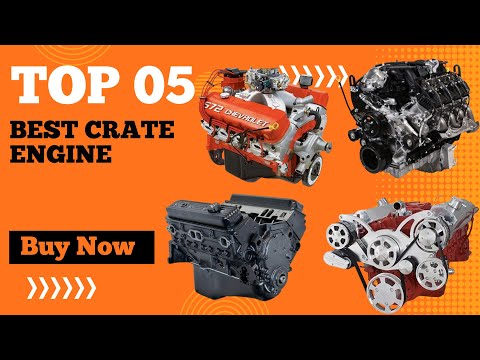
- New Engine: Often called a crate engine, this comes direct from the manufacturer. This is the most expensive option and is often only available for newer vehicles or high-performance builds.
Average Engine Replacement Cost
The total engine replacement cost is a combination of the replacement unit (the part) and the labor required to perform the swap. In most cases, the bill is split roughly 60/40 between parts and labor, though this fluctuates based on the complexity of the vehicle.
Parts Cost
The engine replacement price for the part itself depends heavily on the path you choose:
- Used engines can cost between $1,500 and $4,000.
- Remanufactured engines typically range from $3,500 to $7,000.
- New replacement engines often start at $6,000 and can climb well over $10,000 for specialized or diesel engines.

Labor Cost
The engine replacement labor cost is calculated by multiplying the shops hourly rate by the book time (the industry-standard estimate of how long a job should take) for the job. Most engine swaps require between 10 and 25 hours of labor.
If a shop charges $150 per hour and the job takes 15 hours, your labor cost will be $2,250. Note that four-wheel-drive vehicles and luxury cars with cramped engine bays often require more time, which drives the price up.
What Can Make the Repair More Expensive?
Several factors can cause your final bill to exceed the initial estimate.
- Engine Type: A common 2.5-liter four-cylinder engine is much cheaper to source and install than a turbocharged V6 or a high-displacement V8.
- Peripheral Components: While the engine is out, your mechanic may discover that the engine mounts are torn, the radiator is clogged, or the clutch (in manual cars) is worn out. Replacing these items while the engine is already removed is cost-effective in terms of labor, but it increases your parts total.
- Diagnostic Charges: Before a replacement is authorized, you will likely pay for a diagnostic fee. A shop must confirm that the engine has truly failed—due to low compression, a cracked block, or internal mechanical breakage—rather than a repairable issue like a failed sensor or a head gasket.
Do not assume an OBD-II trouble code (the Check Engine light) automatically means you need a new engine. Codes only point to a system that is malfunctioning; a professional physical diagnosis is mandatory to confirm total engine failure.
Dealership vs. Independent Repair Shop
Where you take your vehicle significantly impacts how much does engine replacement cost.
Dealerships are almost always the most expensive option. They use brand-new OEM (Original Equipment Manufacturer) parts and have higher labor rates. However, they offer factory-trained technicians and specialized tools specifically for your brand.
Independent Repair Shops offer more flexibility. They can source used or remanufactured engines from various suppliers, which can save you thousands of dollars.
Specialty Shops focusing on diesel trucks or European imports may charge premium rates but offer specific expertise that can prevent costly mistakes.
Can I Drive With This Problem?
If you are wondering, Can I drive with a failing engine? the short answer is: usually not.
If your engine has suffered a catastrophic failure—such as a thrown rod, a seized crankshaft, or massive oil loss—the vehicle will likely not run at all. However, if the engine is knocking (a deep metallic tapping sound) or burning excessive oil, you might be tempted to keep driving.
You should not drive a vehicle that has been diagnosed as needing a replacement engine. Internal mechanical failure can lead to a fire, a total stall in traffic, or the destruction of other parts like the catalytic converter or transmission. If your engine is knocking or overheating, have it towed to a shop immediately.
How to Avoid Paying for Unnecessary Repairs
The best way to avoid an unnecessary engine replacement is to ensure a proper diagnosis. Ask your mechanic for a compression test or a leak-down test. These tests measure the engines ability to hold pressure and provide concrete proof of internal failure. Sometimes, what sounds like a terminal engine knock is actually a failed pulley or a top-end issue that can be repaired for a fraction of the cost.
Furthermore, ask yourself: Is engine replacement worth it?
- Compare the total replacement cost with the vehicles market value.
- A $7,000 repair might make sense for a well-maintained vehicle worth $15,000.
- If the car is worth $4,000 and the repair is $5,000, it is likely time to consider a different vehicle.
Questions to Ask the Repair Shop
Before you sign an authorization for such a large expense, ask these five questions:
- What is the specific warranty? Does it last for 12 months or 3 years? Does it cover both parts and labor if the replacement unit fails?
- What is the source of the engine? Is the replacement unit used, rebuilt, or remanufactured?
- Are while-you-are-in-there items included? Does the estimate include a new water pump, thermostat, and belts?
- What was the specific cause of the original engines failure? You want to ensure a secondary issue (like a clogged radiator) doesnt kill the new engine, too.
- Is there a core charge? Often, shops get money back for returning your old engine. Ensure this credit is reflected in your quote.
Bottom Line
An engine replacement is a major investment. While the sticker shock of a $5,000 to $10,000 bill is difficult, it is often cheaper than buying a new car in todays market. By understanding the difference between used and remanufactured units and ensuring a thorough physical diagnosis, you can make an informed decision that keeps your vehicle on the road for years to come.



No Comments Yet
Be the first to comment on this article.