Curtis.Castiglione@ROzebra.com

How Much Does a Tire Rotation and Balance Cost?
By Curtis Castiglione
If you have noticed a slight steering wheel shimmy at highway speeds or it has been more than six months since your last oil change, you are likely wondering about the cost of tire maintenance. For most passenger vehicles, a combined tire rotation and balance cost typically ranges between $70 and $130.
If your vehicle only requires a simple tire rotation, the price is significantly lower, usually falling between $30 and $50. While these services are relatively inexpensive, they are critical for protecting the much larger investment you made in your tires. Understanding what you are paying for, why the prices fluctuate, and the difference between these two distinct services can help you make the best decision for your vehicle.
What Is a Tire Rotation and Balance?
A tire rotation and a wheel balance are two different procedures that are often performed together, but they address different issues.
Tire Rotation This involves moving the wheels and tires from one position on the vehicle to another (for example, moving the front tires to the rear and vice versa). Because front tires handle the majority of steering and braking forces and often support the weight of the engine, they wear out faster or in different patterns than the rear tires. Moving them periodically (usually every 5,000 to 7,500 miles) ensures the tread wears down at a similar rate across all four tires.
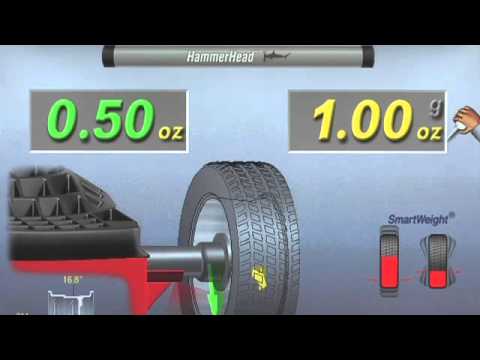
Wheel Balancing This addresses the distribution of weight within the tire-and-wheel assembly. No tire or wheel is perfectly symmetrical. A balancing machine spins the assembly to identify heavy spots. The technician then attaches small lead or zinc weights to the rim to offset these heavy spots. This ensures the wheel spins smoothly, preventing vibrations that can travel through the steering wheel or the vehicle floor.

Average Tire Rotation and Balance Cost
The total tire rotation and balance price depends heavily on your vehicle type and where you live. However, for a standard sedan or SUV, you can expect the following breakdown:
Parts Cost
The parts involved in this service are minimal. For a rotation, there are generally no parts required. For balancing, the only parts used are the wheel weights—small, inexpensive clips or adhesive strips. Most shops include the cost of these weights in the labor fee.
One potential parts cost involves the Tire Pressure Monitoring System (TPMS). Some vehicles require a relearn procedure so the computer knows which tire is in which position. Some shops may charge $5 to $10 per wheel for this if the sensors do not automatically update.
Labor Cost
The tire rotation and balance labor cost makes up nearly the entire bill. A rotation is a 15-minute job, while a four-wheel balance takes an additional 30 to 45 minutes. You are essentially paying for about one hour of shop time.
Estimated Total Repair Range: $30 to $150
Note: Repair prices vary by geographic location, vehicle year/make/model, engine, parts selection, labor rate, taxes, shop fees, and the actual condition of the vehicle. Do not present a single price as universally applicable.
What Can Make the Repair More Expensive?
Several factors can push your inquiry regarding how much does a tire rotation and balance cost toward the higher end of the spectrum:
- Wheel Size and Type: Large aftermarket wheels (20 inches or larger) or heavy-duty truck tires require more specialized equipment and heavier weights, which often increases the price.
- Road Force Balancing: Some high-end shops offer Road Force balancing. This uses a machine that simulates the weight of the vehicle on the tire while it spins. It is much more accurate for sensitive luxury vehicles but usually costs $20 to $50 more than a standard balance.
- Dually Trucks: Vehicles with six wheels (dual rear wheels) require more labor and more weights, often doubling the cost of a standard service.
- Seized Lug Nuts: If your vehicle has significant rust or if a previous shop over-tightened the lug nuts, a technician may have to spend extra time removing them. If a lug stud breaks during removal, you will face additional parts and labor costs to replace it.
Dealership vs. Independent Repair Shop
Where you take your vehicle will impact your final invoice:
- Independent Repair Shops: These shops usually offer the most competitive pricing. They are great for routine maintenance and often have bundled packages for oil changes and rotations.
- Dealerships: A dealership may charge $20 to $40 more than an independent shop. However, many dealerships include a tire rotation for a very low cost (or even free) as part of a factory-scheduled maintenance visit.
- Specialty Tire Shops: Shops that focus exclusively on tires often have the newest balancing equipment. Many major tire retailers offer Lifetime Rotation and Balance if you purchased the tires from them, meaning the service is free for as long as you own that set of tires.
- DIY Repair: You can rotate your own tires at home with a jack and jack stands to save on the tire rotation labor cost, but you cannot balance your own tires without a professional balancing machine.
Can You Drive With This Problem?
Is tire rotation and balance worth it? Absolutely. While you can technically drive a vehicle that is overdue for a rotation or has a slight balance issue, it is not recommended for long periods.
If your tires are out of balance, the resulting vibration puts unnecessary stress on your suspension components, wheel bearings, and shocks. Furthermore, failing to rotate your tires can cut their lifespan by 30 percent or more. Considering a new set of tires can cost $600 to $1,200, spending $100 on maintenance is a wise investment to avoid an early tire replacement cost.

How to Avoid Paying for Unnecessary Repairs
The most important thing to remember is the difference between a diagnosis and a repair. If your car is shaking, don't just ask for a balance; ask for a vibration diagnosis. An OBD-II trouble code won't help here, as tire issues are mechanical, not electronic. A vibration can be caused by:
- Bent wheels
- A shifted belt inside the tire
- Worn suspension parts (like ball joints or tie rods)
- Worn wheel bearings
- Driveline components (like a failing CV axle)
Simply adding weights to a damaged tire or a bent wheel will not fix these issues. Furthermore, check your tire tread before approving the work. If your tires are at 2/32 or 3/32 of an inch of tread depth, they are legally worn out. Spending money to balance a tire that needs to be replaced next month is a waste of money.
Questions to Ask the Repair Shop
Before you hand over your keys, ask the service writer these questions:
- Does this price include a TPMS reset or relearn if necessary?
- Are you using a standard spin balancer or a Road Force balancer?
- Will you provide a report of the tread depth for all four tires?
- Do you check and adjust the spare tire pressure during the rotation?
- Are the lug nuts torqued to the manufacturer specifications with a torque wrench?
Bottom Line
How much does a tire rotation and balance cost? For most drivers, you should budget about $100 every 6,000 miles. It is one of the simplest and most effective ways to ensure your vehicle remains smooth and safe on the road. While the tire rotation price is small, the long-term savings in tire longevity are substantial. Always ensure the shop is looking for underlying issues like uneven wear or suspension damage rather than just moving the tires around. Regular maintenance is always cheaper than premature replacement.



No Comments Yet
Be the first to comment on this article.