Curtis.Castiglione@ROzebra.com
How Much Does a Thermostat Replacement Cost?
By Curtis Castiglione
If you have noticed your temperature gauge creeping into the red zone or your heater blowing cold air on a winter morning, you may be facing a thermostat replacement. For most vehicle owners, a thermostat replacement cost typically falls between $200 and $600.
While the thermostat itself is often one of the most affordable components in your cooling system, the total bill is heavily influenced by how difficult it is to reach the part and the labor rates in your specific area. As an automotive service writer, I frequently see customers surprised by the labor involved in what sounds like a simple fix.
It is important to understand that repair prices vary significantly based on your geographic location, vehicle year, make, model, engine type, and local tax structures. A simple four-cylinder commuter car will almost always be cheaper to repair than a complex European luxury SUV or a heavy-duty pickup truck.
What Is a Thermostat Replacement?
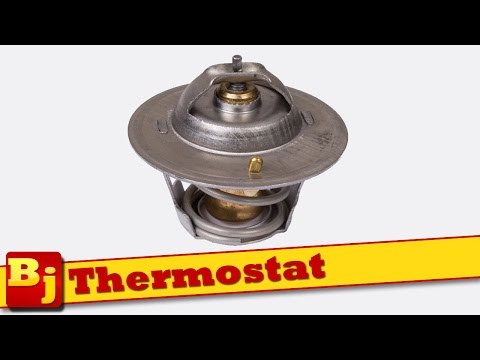
The thermostat is a small but critical valve located between the engine and the radiator. Its primary job is to regulate the flow of engine coolant. Think of it as a gatekeeper:
- Cold Starts: When you first start your car, the thermostat remains closed. This keeps the coolant inside the engine block, allowing the engine to reach its optimal operating temperature quickly.
- Running Temp: Once the engine is hot, the thermostat opens, allowing coolant to flow to the radiator to be cooled.
A thermostat replacement involves draining a portion of the engine coolant, removing the thermostat housing, replacing the old thermostat and its gasket or seal, and then refilling and "bleeding" air from the cooling system. In many modern vehicles, the thermostat is integrated into a plastic or metal housing assembly, which means the entire unit must be replaced rather than just the internal valve.

Average Thermostat Replacement Cost
When estimating your total thermostat replacement price, you must account for parts, labor, and often a diagnostic fee.
- Low End ($150 to $250): Common for older vehicles where the thermostat is sitting right at the top of the engine near the radiator hose.
- Average ($200 to $600): The standard range for most modern sedans, SUVs, and light trucks found on the road today.
- High End ($700+): Common for high-performance or luxury vehicles where the thermostat is buried deep within the engine bay, requiring the removal of other major parts to access.
Parts Cost
The thermostat parts cost usually ranges from $20 to $150.
- Traditional Thermostats: These are simple metal valves that often cost between $20 and $40.
- Mapped or Electronic Thermostats: Many modern vehicles use thermostats integrated into a large plastic housing with electrical sensors. These assemblies are more expensive, often costing between $80 and $200.
- Coolant: You will also be charged for fresh coolant (antifreeze), which typically adds $20 to $50 to the parts bill.
Labor Cost
The thermostat labor cost is the most variable factor. Most replacements take between one and three hours of dedicated work. At an average shop rate of $100 to $180 per hour, labor usually accounts for $150 to $450 of the total bill.
If the technician has to remove the intake manifold or other heavy components just to see the thermostat, the labor time—and your bill—will increase significantly.

What Can Make the Repair More Expensive?
Several factors can drive the thermostat replacement cost toward the higher end:
- Component Accessibility: If the thermostat is hidden behind the timing belt or under the intake manifold, the labor time triples.
- Housing Damage: If the plastic housing has warped or cracked due to heat, the entire assembly must be replaced, not just the valve.
- Complex Bleeding Procedures: Some vehicles have complex "air bleeding" requirements that necessitate specialized vacuum tools to ensure no air pockets remain in the engine. If air is trapped, the car will continue to overheat even with a new part.
- Related Repairs: If a technician discovers a bulging radiator hose or a leaking water pump while performing the work, replacing those parts simultaneously is common (and recommended) to avoid paying for labor twice later.
Dealership vs. Independent Repair Shop
Where you take your vehicle significantly impacts how much a thermostat replacement costs:
- Independent Repair Shop: These shops typically offer lower labor rates and may provide the option of using high-quality aftermarket parts to save money. This is usually the most cost-effective choice for out-of-warranty vehicles.
- Dealership: This will generally be the most expensive option. However, they use Original Equipment Manufacturer (OEM) parts and have technicians specifically trained on your vehicle’s cooling system nuances.
- DIY Repair: This is the cheapest route, potentially costing under $100. However, I only recommend this if you have the proper tools and understand how to bleed the cooling system. An improperly bled system can lead to catastrophic engine failure.
Can I Drive With This Problem?
If you are wondering, "can I drive with a bad thermostat?" the answer depends entirely on how the part failed:
- Stuck Open: The engine will run too cool. You will notice poor fuel economy, a "Check Engine" light, and a weak heater. You can generally drive a short distance to a shop, but you should not ignore it long-term, as it can cause carbon buildup in the engine.
- Stuck Closed: DO NOT DRIVE. The engine will overheat within minutes. Overheating can lead to a blown head gasket or a warped engine block, turning a $400 repair into a $4,000 engine replacement. If your gauge is in the red or you see steam, pull over immediately and call a tow truck.

How to Avoid Paying for Unnecessary Repairs
The best way to avoid unnecessary costs is to pay for a professional diagnosis.
Do not assume that an OBD-II trouble code (like P0128) automatically means the thermostat is bad. A faulty coolant temperature sensor, a failing cooling fan, or a clogged radiator can cause identical symptoms. Most shops charge a one-hour diagnostic fee ($100 to $150) to verify the failure. While this adds to the initial cost, it prevents you from "parts cannoning"—replacing parts that aren't actually broken.
Additionally, avoid "mechanic in a bottle" sealants. These products rarely fix a mechanical thermostat and can clog your radiator and heater core, leading to much higher costs down the road.
Questions to Ask the Repair Shop
Before authorizing the work, ask these questions to ensure you are getting a fair thermostat price:
- Is the diagnostic fee applied toward the cost of the repair if I move forward?
- Does the estimate include a cooling system pressure test to check for other leaks?
- Are you replacing the thermostat as a single unit or as a complete housing assembly?
- Will the cooling system be bled of air using a vacuum tool or a manual process?
- Does this repair come with a warranty on both parts and labor?
Bottom Line
Is a thermostat replacement worth it? Absolutely. The thermostat is the gatekeeper of your engine’s health. While spending $400 may feel like a lot for a small valve, it is a minor investment compared to the cost of a full engine replacement. By getting a professional diagnosis and ensuring the system is properly bled of air, you can keep your vehicle running at the right temperature for years to come.



No Comments Yet
Be the first to comment on this article.