Curtis.Castiglione@ROzebra.com
How Much Does a Starter Replacement Cost on a Truck?
By Curtis Castiglione
If you are currently sitting in the driver's seat of your truck and all you hear is a single click or a frustrating silence when you turn the key, you are likely facing a starter failure. For most truck owners, a starter replacement cost typically ranges from $400 to $1,000. However, because trucks vary wildly—from light-duty pickups to heavy-duty diesel workhorses—the price can climb significantly higher depending on the specific engine and the labor required to reach the part.
As an experienced automotive service writer, I have seen customers shocked by the difference in pricing between a basic four-cylinder small truck and a heavy-duty 4x4 diesel. This guide will break down exactly what you are paying for, why the prices fluctuate, and how to ensure you aren't replacing a part that isn't actually broken.

What Is a Starter Replacement?
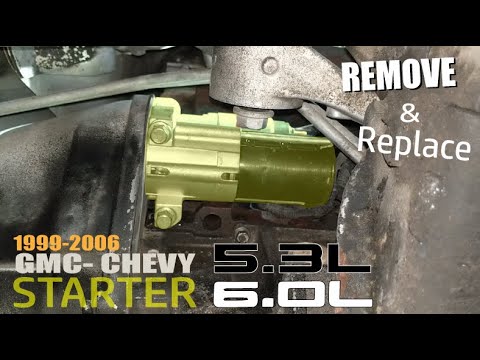
The starter is a powerful electric motor designed to initiate the engine's operation. When you turn your key or push the Start button, a signal is sent to the starter motor. It then extends a small gear, known as the pinion gear, to engage with the engine's flywheel or flexplate. This action spins the engine over at a high enough speed to begin the combustion process.
A starter assembly generally consists of two main parts:
- The Motor: The heavy-duty component that provides the torque to spin the engine.
- The Solenoid: A relay that both engages the gear and acts as the electrical switch to activate the motor.
When we discuss a truck starter replacement, we are almost always talking about replacing the entire unit. While it is technically possible to repair internal components like brushes or solenoids, the labor required to remove and reinstall the unit is usually so high that it rarely makes financial sense to do anything other than install a complete assembly.
Average Starter Replacement Cost
The total starter replacement price is highly dependent on your geographic location, your vehicle's year, make, and model, and the local labor rate. On average, you can expect the following breakdown:
- Parts Cost: $150 to $500
- Labor Cost: $150 to $500
- Total Estimated Range: $400 to $1,000+
It is important to note that these figures are estimates. Shop supplies, local taxes, and diagnostic charges will add to the final invoice. Prices can also vary based on whether you choose an OEM part or an aftermarket alternative.
Parts Cost
The price of the starter motor itself varies based on the requirements of the engine. A larger engine requires more torque to turn over, which necessitates a larger, more expensive starter. You generally have three options for parts:
- Remanufactured: These are used starters that have been rebuilt with new internal wear components. They are the most common choice and usually come with a solid warranty.
- New Aftermarket: These are brand-new units made by third-party companies. Quality can vary significantly, but they are often priced competitively.
- OEM (Original Equipment Manufacturer): These are the same parts used by the factory. They are the most expensive option but offer the highest degree of reliability and perfect fitment.
For a heavy-duty diesel truck, a high-torque starter can easily cost $400 for the part alone, whereas a starter for a small 2010 Toyota Tacoma might be closer to $180.
Labor Cost and Time
The starter labor cost is determined by the "book time"—the amount of time the manufacturer or a labor guide says the job should take. In a perfect world, a starter is located on the side of the engine block and can be swapped in 45 minutes to an hour.
However, trucks often present unique challenges:
- Typical Labor Time: 1.5 to 3.5 hours.
- Typical Shop Rates: $130 to $180 per hour.
If your truck is a four-wheel-drive model, the front differential, drive shafts, or skid plates may be in the way. On certain modern trucks, the starter is located in the "V" of the engine, meaning the technician must remove the intake manifold to reach it. This can easily double or triple the labor time.

What Can Make the Repair More Expensive?
Several factors can drive the how much does a starter replacement cost question toward the higher end of the scale:
- Engine Size: Diesel engines have much higher compression than gasoline engines. They require massive, high-output starters that are naturally more expensive to manufacture.
- Accessibility: As mentioned, if the starter is buried under the intake manifold or requires the removal of exhaust components, labor costs will spike.
- Corrosion: Trucks used in "salt belt" states often suffer from rusted bolts and corroded electrical terminals. If a technician has to spend an extra hour drilling out a snapped bolt, your bill will increase.
- Four-Wheel Drive: The addition of transfer cases and front drive axles makes the workspace tighter, often requiring more components to be removed for access.
Dealership vs. Independent Repair Shop
Where you take your truck for service significantly impacts the final bill.
- Dealership: You will pay a premium for OEM parts and a higher labor rate. However, dealership technicians specialize in your specific brand and often have the job done faster. Expect to pay $700 to $1,200 here.
- Independent Shop: These shops usually offer more flexibility on parts (remanufactured or aftermarket) and a lower hourly labor rate. A reputable independent shop is often the best value, with costs ranging from $400 to $800.
- DIY Repair: If you have the tools and the truck has easy access, you can do this for the price of the part ($150–$300). However, be warned: truck starters are heavy and difficult to maneuver while lying on your back.
Can You Drive With This Problem?
Strictly speaking, you cannot drive a truck that won't start. However, starters often give warning signs before they fail completely.
Can I drive with a bad starter? Only if you are prepared to be stranded. If your starter is showing early signs of failure—such as a "slow crank" or occasional intermittent starting—you should take it to a shop immediately. A failing starter will eventually leave you stuck at the worst possible time, such as a gas station or a remote job site, where towing fees will add hundreds of dollars to your total expense.
Symptoms That Lead to This Repair
You should consider a starter replacement cost evaluation if you experience:
- A single loud click when turning the key.
- A rapid chattering sound (though this can also indicate a low battery).
- A grinding noise, which suggests the starter gear isn't properly engaging the flywheel.
- Intermittent starting, where the truck starts fine once and does nothing the next.
- Smoke or a burning electrical smell during startup attempts.
How to Avoid Paying for Unnecessary Repairs
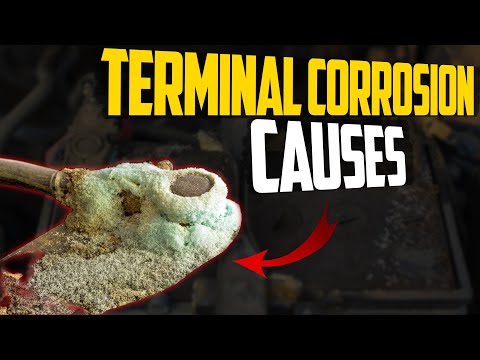
The biggest mistake consumers make is assuming a "no-start" always means a "bad starter." This is where a professional diagnosis is worth its weight in gold. Before you authorize a starter replacement, ensure the shop has performed a full electrical system test.
A bad battery, a corroded ground wire, or a faulty ignition relay can all mimic a bad starter. If a shop simply replaces the starter without checking the battery, you might find yourself in the same position two days later. Is a starter replacement worth it? Only if the starter is the actual problem. Do not assume that an OBD-II trouble code for "Starter Circuit Malfunction" automatically means the motor is bad; it could be a broken wire in the harness or a blown fuse.
Questions to Ask the Repair Shop
Before you authorize the work, ask your service writer these three questions:
- Did you perform a voltage drop test on the starter cables? This ensures the starter is actually getting full power from the battery.
- Does the price include a new starter or a remanufactured one? Make sure you know what you are paying for and what the warranty covers.
- Was the battery and alternator tested? A weak battery can cause a new starter to fail prematurely due to high resistance and heat.
Bottom Line
While paying $600 or $800 for a repair is never fun, the starter is a critical component that usually lasts 100,000 to 150,000 miles. When you replace it, you are generally buying another decade of reliable starting. To get the best deal, ensure your mechanic confirms the battery and cables are healthy so you aren't paying for a part your truck doesn't actually need.



No Comments Yet
Be the first to comment on this article.