Curtis.Castiglione@ROzebra.com

How Much Does a Starter Replacement Cost?
By Curtis Castiglione
If you are standing in your driveway or a stranded in a parking lot and your vehicle refuses to turn over, you are likely asking one question: How much is this going to cost me? For most vehicle owners, a starter replacement cost typically ranges between $400 and $700. However, depending on what you drive and where you take it, that price can climb as high as $1,000 or more for luxury vehicles or engines where the starter is difficult to access.
As an experienced automotive service writer, I have seen many customers assume the worst when their car will not start. While the starter is a common culprit, the total bill is influenced by the price of the part, the complexity of the labor, and the quality of the diagnostic work performed before a single bolt is turned.
What Is a Starter Replacement?
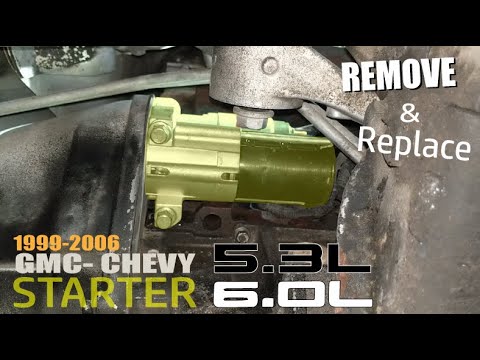
The starter is a powerful, high-torque electric motor responsible for cranking your engine to get it running. When you turn the key or press the start button, a small electrical signal is sent to the starter solenoid. This solenoid acts as a massive switch, engaging the starter motor gear with the engine flywheel and drawing a huge amount of current from the battery to spin the engine.
A starter replacement involves removing the failed motor and solenoid assembly and installing a new or remanufactured unit. A professional replacement also includes inspecting the electrical connections, such as the heavy-gauge battery cables and the smaller signal wire, to ensure the new part receives the power it needs.

Average Starter Replacement Cost
Because every vehicle is designed differently, there is no single universal price. How much a starter replacement costs is generally split into parts and labor.
Parts Cost
The price of the starter motor itself generally falls between $150 and $400. You will typically have two choices:
- Original Equipment (OEM): These are brand-new parts from the vehicle manufacturer. They are the most expensive but offer the most reliable fit and finish.
- Remanufactured: These are used units that have been stripped down, cleaned, and rebuilt with brand-new internal components. These are very common in the industry and often come with a solid warranty that matches or exceeds OEM parts.
For high-end European cars or heavy-duty trucks, the starter replacement price for the part alone can easily exceed $500.
Labor Cost
Starter labor cost is where the most significant price variation occurs.
- Simple Access: On many rear-wheel-drive trucks or older sedans, the starter is bolted to the side of the engine and can be swapped in about an hour. Labor in these cases might only be $125 to $150.
- Difficult Access: Some modern engines have the starter buried. For example, some V8 engines require the technician to remove the entire intake manifold to reach the starter. This can push the labor time to four or five hours, resulting in a labor charge of $500 to $750 depending on the shop hourly rate.
Estimated Total Repair Range
- Independent Repair Shop: $350 – $600
- Dealership: $600 – $1,100
- Luxury/Specialty Vehicle: $800 – $1,500+
Note: These prices are estimates. Repair prices vary by geographic location, vehicle year, make, model, engine type, parts selection, labor rates, taxes, shop fees, and the actual condition of the vehicle.
What Can Make the Repair More Expensive?
Several factors can drive the starter replacement cost higher than the national average:
- Component Location: As mentioned, accessibility is the biggest factor. If a technician has to remove cooling fans, exhaust components, or intake manifolds, the book time (the standard time allocated for the job) increases significantly.
- Corrosion and Rust: In northern climates, road salt causes heavy corrosion. If the mounting bolts or the main battery terminal on the starter are seized or rusted, the technician may need extra time to safely remove them without breaking other components.
- Related Electrical Issues: Sometimes a bad starter is actually a failing battery cable. If your cables are corroded or frayed, they must be replaced alongside the starter to ensure the new part does not fail prematurely.
- Oil Leaks: If your engine has an oil leak dripping onto the starter, it can soak the internal brushes and cause them to burn out. You may need to pay to fix the leak to prevent the new starter from failing immediately.
Dealership vs. Independent Repair Shop
A dealership will almost always be the most expensive option. They use OEM parts and typically have higher labor rates. The benefit is that their technicians are specifically trained on your model, and the part usually carries a nationwide warranty.
An independent repair shop will typically offer a lower labor rate and give you the choice between an OEM part or a more affordable aftermarket/remanufactured part. This is often the most cost-effective route for vehicles out of warranty.
A specialty shop (such as an auto-electric specialist) is a great choice if your car has complex electrical issues. While their rates are similar to dealerships, their diagnostic accuracy is often superior for starting system problems.
Can You Drive With This Problem?
Can I drive with a bad starter? Strictly speaking, you cannot drive with a failed starter because the vehicle will not start in the first place.
However, many starters fail intermittently. You might have to turn the key five times before it finally engages. If you are experiencing this, do not continue to drive the vehicle for long. Eventually, the starter will fail completely, likely leaving you stranded and adding the cost of a tow truck to your repair bill.
Symptoms of a Failing Starter
- A Single Click: You turn the key and hear one clack, but nothing happens.
- Rapid Clicking: This often indicates low voltage reaching the starter.
- Slow Cranking: The engine sounds like it is struggling to spin.
- Intermittent Starting: The car starts fine one day but refuses the next.
How to Avoid Paying for Unnecessary Repairs
The most important thing to understand is that a dead battery and a dead starter often have the exact same symptoms.
Before authorizing a repair, ensure the shop performs a full starting and charging system test. This test checks the health of the battery, the alternator output, and the voltage drop across the cables.

Diagnosis vs. Repair: Never assume that an OBD-II trouble code automatically identifies the failed part. A code for 'Starter Control Circuit' could be a blown fuse, a neutral safety switch, or a broken wire—not the starter itself. A professional diagnosis is worth the $100–$150 fee because it prevents you from 'parts cannoning' the problem—throwing expensive parts at the car without knowing what is actually wrong.
Questions to Ask the Repair Shop
Before you approve the work, ask these questions:
- Did you perform a battery load test and a voltage drop test? (This confirms the starter is actually the problem).
- Is the replacement part new or remanufactured?
- What is the warranty? A standard warranty is 12 months or 12,000 miles, but many shops offer longer protection.
- Are there any oil leaks dripping onto the starter?
- Does the estimate include shop supplies and taxes?
Bottom Line
Is a starter replacement worth it? Absolutely. Unlike a cosmetic dent or a squeaky interior trim piece, a starter is a must-fix item. Without it, your vehicle is essentially a very heavy paperweight.
While the 'how much does a starter replacement cost' question does not have a single universal answer, being prepared for a bill between $400 and $800 will cover most situations. By insisting on a proper diagnosis and asking the right questions about part quality, you can ensure that your car returns to being reliable without overpaying for unnecessary work.



No Comments Yet
Be the first to comment on this article.