Curtis.Castiglione@ROzebra.com

How Much Does a Radiator Replacement Cost?
By Curtis Castiglione
If you are standing over a steaming hood or looking at a bright puddle of neon-colored coolant on your driveway, your first question is likely: How much is this going to cost me? For most vehicle owners, a radiator replacement cost typically falls between $500 and $1,500. This estimate includes both parts and labor, though the final price depends heavily on your specific vehicle and where you take it for service.
It is important to understand that the radiator replacement price varies significantly based on your geographic location, your vehicle’s year, make, and model, the type of engine you have, and the specific parts selected. Local labor rates, shop fees, and taxes also play a major role in the final invoice. Because a radiator is the heart of your engine’s cooling system, a failure is not something you can ignore for long.
What Is a Radiator?
The radiator is a heat exchanger located at the front of your engine bay. Its job is to remove heat from the engine coolant before that liquid circulates back through the engine block. As the coolant flows through the small tubes within the radiator core, air passing through the fins dissipates the heat.

A radiator replacement involves more than just swapping a metal box. The service typically includes:
- Draining the old, contaminated coolant.
- Removing cooling fans and shrouds.
- Disconnecting upper and lower radiator hoses.
- Removing brackets or, in some cases, front-end body components like the bumper or grille.
- Installing the new unit and refilling the system with the correct antifreeze.
- "Burping" the system to remove trapped air pockets that could cause engine "hot spots."
Average Radiator Replacement Cost
When you receive an estimate, it is usually broken down into parts and labor. While $500 to $1,500 is the common range, a luxury vehicle or a heavy-duty truck could easily exceed $2,000 if the radiator is specialized or exceptionally difficult to access.
Parts Cost
Radiator parts cost typically ranges from $150 to $600 for the unit itself. Economy-grade aftermarket radiators are on the lower end of that scale, while Original Equipment Manufacturer (OEM) parts from a dealership are on the higher end. Most modern radiators are made of aluminum with plastic tanks crimped onto the sides; these plastic tanks are common failure points where cracks and leaks often begin.
In addition to the radiator itself, you will likely pay for:
- Fresh engine coolant/antifreeze: $20 to $60
- New radiator hoses: $50 to $150
- Radiator cap: $10 to $25
- Thermostat: $20 to $50
Labor Cost
The radiator labor cost usually ranges from $250 to $800. Most shops bill between two and five hours of labor for this job. On a simple vehicle with a wide-open engine bay, a technician might finish the job in 90 minutes. However, on modern vehicles where the radiator is sandwiched between the AC condenser and the intercooler, the labor time can double or triple.
What Can Make the Repair More Expensive?
Several factors can push your total how much does a radiator replacement cost inquiry toward the higher end of the spectrum:
- Vehicle Design: If the radiator is buried behind structural components or requires the removal of the air conditioning system (which then requires a refrigerant recharge), the labor hours will climb.
- Cooling Fan Damage: Sometimes a radiator leak sprays pressurized, hot coolant onto electric fan motors, causing them to short out. If you need new cooling fans, expect to add $200 to $500 to the bill.
- Transmission Coolers: Many radiators have a built-in "tank" that cools transmission fluid. If this internal tank fails, it can mix coolant and transmission fluid—a catastrophic event often called the "strawberry milkshake of death." This requires an expensive transmission flush or even a total transmission rebuild.
- Secondary Damage: If the radiator failed because the car overheated, you might also have a damaged head gasket or warped cylinder head, which are multi-thousand-dollar repairs.

Dealership vs. Independent Repair Shop
A dealership will generally have the highest price because they use OEM parts and have higher labor rates. However, they are specialists in your specific model and often provide a national warranty on parts and labor.
An independent repair shop will usually be $200 to $400 cheaper than a dealer. They often use high-quality aftermarket parts that meet or exceed original specs. Specialty shops, such as those focusing on European imports or high-performance builds, may charge premium rates similar to a dealership but offer specialized expertise.
DIY repair is possible for those with mechanical experience, potentially saving you the entire labor cost. However, radiators are fragile, and modern cooling systems can be difficult to bleed. If air is trapped in the system, you could ruin your engine even with a brand-new radiator.
Can I Drive With This Problem?
Can I drive with a radiator leak? The short answer is: generally, no. You should not drive a vehicle with a failing radiator if it is actively losing coolant or if the temperature gauge is climbing into the "hot" zone.
If you have a very small pinhole leak and the temperature remains stable, you might be able to drive a short distance to a repair shop, provided you keep the coolant topped off. However, if you see steam, smell a sweet odor (burning antifreeze), or see the gauge rising, stop immediately. Is radiator replacement worth it? Absolutely—the cost of a radiator is a small fraction of the cost of a complete engine replacement.
How to Avoid Paying for Unnecessary Repairs
The most important step is distinguishing between diagnosis and repair. Do not assume you need a new radiator just because you see a leak. A cracked hose, a loose clamp, or a failing $20 radiator cap can mimic a radiator failure.
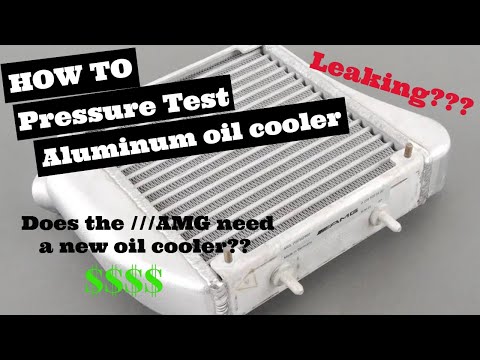
Ask the shop to perform a cooling system pressure test. This involves putting the system under pressure while the engine is off to see exactly where the liquid is escaping. This diagnostic charge (usually $50 to $150) is worth it to ensure you aren't replacing a perfectly good radiator when a cheap hose was the real culprit. Additionally, avoid using "stop-leak" additives; these can clog your heater core and engine passages, leading to much more expensive repairs later.
Questions to Ask the Repair Shop
Before you authorize the work, ask your service writer these specific questions:
- Does the estimate include a full cooling system flush and new antifreeze?
- Are you replacing the radiator hoses and the thermostat at the same time? (It is usually cheaper to do them now while the system is already apart).
- Is the replacement radiator an OEM part or a high-quality aftermarket unit?
- What is the warranty on the part and the labor?
- Did the pressure test confirm the leak is in the radiator core and not a peripheral component like the water pump?
Bottom Line
While a $500 to $1,500 bill is never fun, the radiator is a critical component that ensures your engine doesn't melt itself from the inside out. By catching a leak early and confirming the diagnosis through a pressure test, you can control the radiator replacement cost and avoid the catastrophic expense of an engine failure. If your car is showing signs of cooling distress, get it to a qualified technician before a small leak becomes a massive headache.



No Comments Yet
Be the first to comment on this article.