Curtis.Castiglione@ROzebra.com
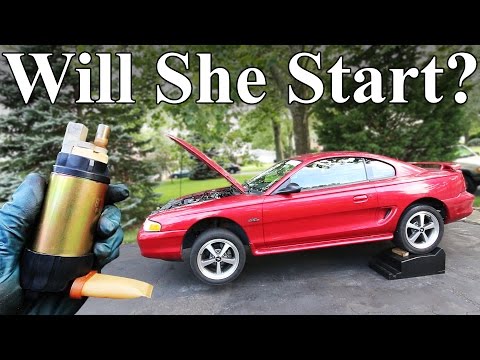
How Much Does a Fuel Pump Replacement Cost?
By Curtis Castiglione
If your car is struggling to start, sputtering at highway speeds, or has simply died in your driveway, you might be facing a fuel pump failure. For most vehicle owners, the first question is always the same: how much is this going to cost?
On average, a fuel pump replacement cost typically falls between $500 and $1,500. This is a wide range because the price is heavily influenced by the type of vehicle you drive, the complexity of your fuel system, and local labor rates. In some high-end luxury vehicles or heavy-duty trucks, the total price can even exceed $2,000.
Because this repair often involves a significant investment, it is important to understand what you are actually paying for and how to ensure the diagnosis is correct before you approve the work.
What Is a Fuel Pump Replacement?
The fuel pump is the heart of your car’s fuel system. Its job is to pull gasoline from the storage tank and send it to the engine under specific pressure. In almost all modern vehicles, the fuel pump is an electric motor located inside the fuel tank itself. This design keeps the pump cool and helps muffle the noise of the motor.
When you pay for a fuel pump replacement, you are usually buying a fuel pump assembly. This unit is more than just a motor; it often includes:
- The pump motor: The electrical component that moves the fuel.
- A fuel strainer: A preliminary filter that keeps large debris out of the pump.
- The fuel level sending unit: The float and sensor that tell your gas gauge how much fuel is left.
- The electrical housing and flange: The top plate that seals the tank and houses the electrical connectors.
Replacing the unit requires a technician to access the tank, disconnect high-pressure fuel lines and electrical connectors, and swap the old unit for a new one.

Average Fuel Pump Replacement Cost Breakdown
To understand how much does a fuel pump replacement cost for your specific situation, it helps to look at the two main components of the bill: parts and labor. Please note that repair prices vary by geographic location, vehicle year, make, model, engine type, and local taxes.
Parts Cost
The fuel pump price for a new assembly generally ranges from $200 to $800.
- Standard Vehicles: If you drive a common domestic sedan or small SUV, the part might be on the lower end ($200 to $400).
- Luxury/High-Performance: Vehicles with complex European fuel systems or high-performance engines often require specialized pumps that can cost $600 to $1,000 or more.
- Direct Injection Systems: Many modern cars use Gasoline Direct Injection (GDI). These vehicles actually have two pumps: a low-pressure pump in the tank and a high-pressure pump on the engine. If the high-pressure pump fails, the part cost alone can be very high.
Labor Cost
The fuel pump labor cost typically ranges from $200 to $700, representing roughly two to five hours of work.
- Access Panels: Some vehicles have a service port located under the rear seat or in the trunk. This allows the technician to swap the pump in about an hour, keeping labor costs low.
- Dropping the Tank: Most vehicles require the technician to drop the tank. This involves lifting the car on a hoist, disconnecting the driveshaft or exhaust in some cases, and physically lowering the heavy fuel tank to reach the pump on top. This is labor-intensive and accounts for the higher end of the estimate.
What Can Make the Repair More Expensive?
Several factors can cause your final bill to fluctuate beyond the standard estimate:
- Fuel Level: If your tank is full of gas when the pump fails, the technician must drain and store the fuel before the tank can be safely lowered. This adds significant labor time.
- Corrosion and Rust: In regions where road salt is used, the bolts and straps holding the fuel tank, as well as the fuel line fittings, can become rusted and brittle. If these parts break during removal, the cost of hardware and additional labor will increase.
- Diagnostic Time: A professional shop will charge a diagnostic fee (usually one hour of labor) to confirm the pump is actually the problem. Do not skip this. Replacing an expensive pump only to find out a $20 relay was the culprit is a costly mistake.
- Fuel Tank Condition: If the pump failed because of debris or bad gas, the shop may recommend cleaning the inside of the tank to prevent the new pump from failing prematurely.

Dealership vs. Independent Repair Shop
Where you take your vehicle will have a major impact on the total fuel pump replacement cost.
- Dealerships: These generally charge the highest rates. They use Original Equipment Manufacturer (OEM) parts, which are guaranteed to fit but are often more expensive. Labor rates at a dealer are typically $50 to $100 higher per hour than independent shops.
- Independent Repair Shops: These offer a middle ground. They can often source high-quality aftermarket parts that are more affordable than OEM parts. Their labor rates are more competitive, and they are usually well-equipped to handle fuel system repairs for most makes and models.
- Specialty Shops: These might be necessary for high-end imports or modified performance vehicles. While their rates are high, their expertise can prevent costly errors on complex fuel systems.
Symptoms That Lead to This Repair
You might be wondering if your fuel pump is actually the culprit. Common symptoms that lead to a fuel pump replacement include:
- Hard starting: The engine cranks for a long time before finally firing.
- No-start condition: The engine turns over but will not start because it isn't getting fuel.
- Engine stalling: The car dies suddenly while driving or idling.
- Loss of power: A sudden bogging down feeling when driving up a hill or accelerating.
- Whining noise: A loud buzzing or whining sound coming from the rear seat area where the tank is located.
Can You Drive With This Problem?
Is fuel pump replacement worth it? Absolutely. Without a functional fuel pump, your car eventually becomes a stationary object.
Can I drive with a failing fuel pump? Generally, the answer is no. While the car might still run intermittently, a failing pump can cause the engine to stall unexpectedly. This is a major safety risk in heavy traffic or at high speeds. Furthermore, a pump that is not providing enough fuel can cause the engine to run lean, which creates excessive heat and can damage expensive components like the catalytic converter or engine valves.
How to Avoid Paying for Unnecessary Repairs
The most important rule in automotive repair is to distinguish between diagnosis and repair. Never tell a shop, "Replace my fuel pump," based only on a hunch or a single OBD-II trouble code. A code for low fuel pressure does not always mean the pump is dead. The issue could be:
- A blown fuse or faulty relay.
- A clogged fuel filter (if your vehicle has an external one).
- A faulty fuel pressure sensor or regulator.
- Damaged wiring or a bad electrical ground.
Always insist on a fuel pressure test. A technician should hook up a physical gauge to the fuel system to see if the pump is hitting the manufacturer's specified PSI (pounds per square inch). They should also perform an electrical circuit test to ensure the pump is receiving the correct voltage.
Questions to Ask the Repair Shop
Before you authorize the work, ask your service writer these questions:
- Did you perform a fuel pressure test and an electrical circuit test to confirm the pump is the problem?
- Does the estimate include the fuel strainer and the tank seal or O-ring? (These should always be replaced with the pump).
- Is the replacement part an OEM unit or an aftermarket brand? What is the warranty on parts and labor?
- Does my vehicle require the fuel tank to be dropped, or is there an access panel?
- While the tank is down, are there other parts (like the fuel filler neck or tank straps) that look like they need replacement?
Bottom Line
While a $500 to $1,500 price tag can be a shock, a fuel pump replacement is a standard reality for many high-mileage vehicles. The fuel pump replacement cost is an investment in your vehicle's reliability and safety. By ensuring a proper diagnosis and choosing a reputable shop, you can make sure that you only pay for the repair once and get your vehicle back on the road safely.



No Comments Yet
Be the first to comment on this article.