Curtis.Castiglione@ROzebra.com

How Much Does a Check Engine Light Diagnosis Cost?
By Curtis Castiglione
If you are driving and suddenly see a glowing amber engine icon on your dashboard, your first instinct is likely a mix of frustration and concern. Your next thought is almost certainly: "How much is this going to cost me?"
For a professional check engine light diagnosis, you can typically expect to pay between $100 and $250. While some automotive parts stores offer to read your codes for free, it is vital to understand that reading a code is not the same as diagnosing a vehicle. A professional diagnosis involves a technician using their expertise and specialized equipment to pinpoint the root cause of a failure so you do not waste money on parts you do not actually need.
The total check engine light diagnosis cost depends on several factors, including your geographic location, your vehicle’s make and model, and the complexity of the issue. Spending money upfront for a proper inspection is often the most cost-effective way to handle an engine warning.
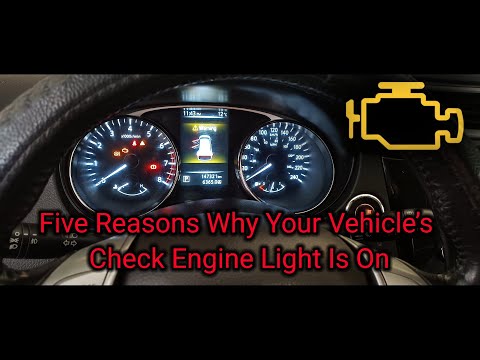
What Is a Check Engine Light Diagnosis?
When your vehicle’s On-Board Diagnostics (OBD-II) system detects a problem with the engine, transmission, or emissions system, it stores a "trouble code" in the Engine Control Unit (ECU). The check engine light is the system's way of telling you that the computer has noticed something is operating outside of normal parameters.
A diagnosis is the process of using that code as a starting point—not a final answer—to find the actual malfunction. The process involves several key components:
- The Engine Control Unit (ECU): The computer monitoring the vehicle’s health.
- The Diagnostic Link Connector (DLC): The port under your dashboard where the technician connects a scan tool.
- Sensors and Actuators: Components like oxygen (O2) sensors, mass airflow (MAF) sensors, or fuel injectors that send data to the computer.
- Wiring and Vacuum Lines: The "nervous system" and "circulatory system" of your engine. Often, a code for a faulty sensor is actually caused by a frayed wire or a leaking rubber hose.
Average Check Engine Light Diagnosis Cost
Because a diagnosis is a service based on a technician's time and specialized equipment rather than a physical part replacement, the cost is almost entirely labor-based.
Parts Cost
In a standard diagnosis, there are usually no parts costs. You are paying for the use of high-end diagnostic software and the technician’s knowledge. However, if a technician needs to use consumables—such as specialized chemical testers for a head gasket check or a smoke machine to find a vacuum leak—there might be a small shop supply fee ranging from $5 to $15.
Labor Cost
Most repair shops charge a flat "diagnostic hour." This is typically the shop’s standard hourly labor rate. Depending on your region, this ranges from $100 to $200 per hour. In major metropolitan areas with high overhead, this can climb even higher.
If the problem is a "hard failure" (a part that is completely broken), one hour is usually enough. If the problem is intermittent (it comes and goes), it may require additional labor time to recreate the conditions that caused the light to turn on.
Typical Total Cost Range
- Basic Code Retrieval: $0 (Available at many national auto parts chains).
- Professional Diagnostic Inspection: $100 to $250.
- Advanced Electrical Troubleshooting: $300 or more.

What Can Make the Repair More Expensive?
Several factors can increase the how much does check engine light diagnosis cost calculation for your specific vehicle:
- Intermittent Issues: If the light only comes on occasionally, a technician may need to perform an extended test drive while monitoring "live data" on a scanner to catch the fault in the act.
- Multiple Faults: Sometimes one failing part causes a chain reaction. For example, a vacuum leak can cause "lean" codes, misfire codes, and oxygen sensor codes simultaneously. Untangling these requires more time and expertise.
- Vehicle Type: European or high-end luxury vehicles often require proprietary software that only certain shops or dealerships possess. These shops typically charge a higher labor rate for their specialized equipment.
- Corrosion or Previous Poor Repairs: If a technician has to fight through rusted bolts or fix improper wiring from a previous owner to reach a sensor, the labor time will increase.
Dealership vs. Independent Repair Shop
Where you take your vehicle significantly impacts the check engine light price.
- Dealerships: These are generally the most expensive, often charging $150 to $250 for a diagnosis. The benefit is that they have factory-trained technicians and the most up-to-date software specific to your exact make and model.
- Independent Repair Shops: These shops usually charge $100 to $150. They are excellent for the vast majority of engine light issues and offer a more competitive labor rate.
- Specialty Shops: If you have a complex electrical or diesel-specific issue, a specialty shop might charge a premium, but they often solve the problem faster than a generalist.
- DIY Repair: You can buy a basic OBD-II scanner for $30 to $50. However, remember that the scanner tells you what the computer sees, not why it sees it. Replacing an oxygen sensor because of a code without checking the wiring first is a common mistake that leads to unnecessary spending.
Can You Drive With This Problem?
One of the most common questions is, "Can I drive with a check engine light?" The answer depends entirely on the behavior of the light:
- Steady (Solid) Light: The computer has detected a problem that affects emissions or engine performance. The car is usually safe to drive to a repair shop, but you should not ignore it. Running a car with a solid light can decrease your fuel economy and eventually damage expensive components like the catalytic converter.
- Flashing Light: This indicates a severe engine misfire. Driving with a flashing light can cause immediate, catastrophic, and expensive damage to the engine and the exhaust system. If the light is flashing, you should pull over safely and have the vehicle towed to a shop immediately.
How to Avoid Paying for Unnecessary Repairs
The best way to save money is to avoid the "parts cannon." This is an industry term for when a person or an inexperienced mechanic replaces part after part hoping to fix the light without a proper diagnosis.
For example, a code for an Oxygen Sensor Lean Condition does not necessarily mean the sensor is bad. It could mean there is a hole in a rubber hose or a failing fuel pump. By paying the diagnostic fee upfront, you might avoid spending $400 on sensors that were not broken in the first place. Is check engine light diagnosis worth it? Absolutely—it is the only way to ensure you are not throwing money away on guesswork.
Questions to Ask the Repair Shop
Before you authorize the work, ask these questions to ensure you understand the value of the service:
- "Does the diagnostic fee cover just the code scan, or does it include physical testing of the components?"
- "If I authorize the repair at your shop, do you apply the diagnostic fee toward the final bill?" (Many shops will roll the fee into the repair cost).
- "Can you provide a printout of the trouble codes and the recorded live data that led to your conclusion?"
Bottom Line
While paying $100 or more just to be told what is wrong can feel frustrating, it is the most cost-effective way to handle a check engine light. A professional diagnosis provides a roadmap for the repair, ensuring that you only pay for the parts and labor actually required to get your vehicle back on the road safely.
Keep in mind that repair prices vary significantly based on your geographic location, vehicle year, make, model, and local labor rates. Always call ahead for a quote on the diagnostic hour rate in your specific area to ensure you are getting a fair price for the technician’s expertise.



No Comments Yet
Be the first to comment on this article.