Curtis.Castiglione@ROzebra.com

How Much Does a Catalytic Converter Replacement Cost?
By Curtis Castiglione
If your mechanic just delivered the news that your vehicle needs a new catalytic converter, your first reaction is likely a bit of "sticker shock." Because of the precious metals used in their construction, catalytic converters are among the most expensive components in a modern exhaust system.
The short answer to the question of how much does a catalytic converter replacement cost is that most vehicle owners will pay between $1,000 and $3,500. However, for high-end luxury cars, heavy-duty trucks, or owners living in states with strict emissions laws, that catalytic converter replacement cost can easily climb toward $5,000.
It is important to remember that repair prices vary significantly by geographic location, vehicle year, make, model, engine type, parts selection, local labor rates, taxes, and the actual condition of the vehicle.
What Is a Catalytic Converter?
The catalytic converter is a device located in your exhaust system, usually between the engine and the muffler. Its job is to act as a chemistry lab on wheels. As the engine runs, it produces harmful gases like carbon monoxide, nitrogen oxides, and hydrocarbons. The converter uses a chemical reaction to transform these into less harmful substances, like water vapor and carbon dioxide, before they exit the tailpipe.
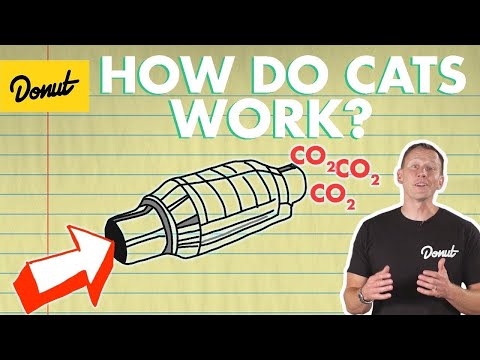
Inside the converter's metal shell is a ceramic honeycomb structure coated with rare precious metals—specifically platinum, palladium, and rhodium. These metals act as the "catalyst" for the chemical reaction. Because the market value of these metals is extremely high, the catalytic converter price is consistently higher than almost any other exhaust part.
Average Catalytic Converter Replacement Cost
When you receive a quote for this service, it is typically broken down into two main categories: parts and labor.
Parts Cost
The parts cost is the most significant portion of the bill.
- Aftermarket Converters: These can range from $400 to $900. While cheaper, they may not last as long as original parts and might not be compatible with all vehicle sensors.
- Original Equipment Manufacturer (OEM) Converters: These are parts made by your vehicle’s manufacturer. They can cost anywhere from $1,000 to $3,000 or more.
- CARB-Compliant Converters: If you live in California, New York, Colorado, or Maine, you are legally required to use converters that meet strict California Air Resources Board (CARB) standards. These are significantly more expensive than "Federal" standard parts.
Labor Cost
The catalytic converter labor cost usually ranges from $150 to $600. Most replacements take between one and three hours of labor. However, if the converter is integrated into the exhaust manifold (the part bolted directly to the engine), the complexity increases, and you may be charged for four or more hours of labor.
What Can Make the Repair More Expensive?
Several factors can cause your catalytic converter replacement cost to fluctuate:
- Engine Configuration: V6 and V8 engines often have two or even four catalytic converters. If more than one has failed, the total catalytic converter price can double.
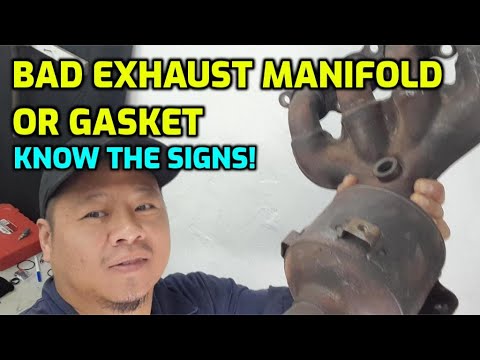
- Manifold Converters: On many modern cars, the converter is part of the exhaust manifold. If it fails, the entire manifold must be replaced, which is a much more labor-intensive and expensive job.
- Rust and Corrosion: If you live in a "salt belt" state, exhaust bolts often rust solid. A technician may need to use a torch or specialized cutting tools to remove the old unit, which adds time to the labor bill.
- State Regulations: As mentioned, living in a CARB-compliant state can double or triple the price of the part alone due to stricter manufacturing requirements.
Dealership vs. Independent Repair Shop
Where you take your car matters when determining how much does a catalytic converter cost.
- Dealerships: They will always use OEM parts. This ensures a perfect fit and high quality, but it is the most expensive route due to higher labor rates and premium part pricing.
- Independent Shops: These shops offer a middle ground. They can often source high-quality aftermarket parts that save you 30% to 50% compared to dealer prices.
- Specialty Exhaust Shops: If the converter is just a "universal" fit that needs to be welded in, a dedicated muffler shop might be your cheapest option. They specialize in welding and custom pipe work, which can sometimes avoid the need for an expensive "direct-fit" assembly.
Can You Drive With This Problem?
You might be wondering, "can I drive with a bad catalytic converter?" The answer depends on the type of failure.
- If the light is just on: If the converter is simply "below efficiency," the car is safe to drive in the short term. However, you will fail your next emissions test, and your fuel economy will likely drop.
- If the converter is clogged: You should not drive the vehicle. A clogged converter creates "backpressure," preventing the engine from "breathing." This leads to a massive loss of power, overheating, and can eventually stall the engine or even cause a fire under the car.
How to Avoid Paying for Unnecessary Repairs
One of the most common mistakes in the automotive world is assuming that a P0420 or P0421 OBD-II trouble code means you definitely need a new converter. These codes mean the system is "below efficiency," but the converter might be a victim rather than the culprit.

Before you spend thousands, ensure a proper diagnosis is performed. A faulty oxygen (O2) sensor, an exhaust leak, or an engine misfire can all trigger these codes. If you install a new converter without fixing a "rich" fuel mixture or an engine misfire, the raw fuel will destroy your expensive new converter in a matter of weeks.
Questions to Ask the Repair Shop
Before authorizing the work, ask your service writer these questions:
- Did a physical inspection or backpressure test confirm the converter is bad, or was it just based on a code scan?
- Is the replacement part an OEM unit or an aftermarket part?
- Does the replacement meet the emissions requirements for the state where this car is registered?
- What was the "root cause" of the failure? Catalytic converters rarely die of old age; they are usually "killed" by engine issues like oil consumption or misfires.
- What is the warranty on both the parts and the labor?
Bottom Line
While the catalytic converter price is high, is catalytic converter replacement worth it? For a vehicle that is otherwise in good condition, the answer is yes. It restores performance, ensures you pass emissions, and protects the environment. However, if your car is very old and the repair cost exceeds half the car's value, you may need to consider if it is time for a different vehicle.
Always insist on a diagnostic report that proves the converter has failed internally before you sign the work order. Identifying the "why" behind the failure is the only way to ensure your new investment lasts for years to come.



No Comments Yet
Be the first to comment on this article.