Curtis.Castiglione@ROzebra.com

How Do I Know If My Fuel Pump Is Bad?
Have you ever been merging onto a busy highway, pressed the gas pedal to match the speed of traffic, and felt your car suddenly buck or hesitate? It feels as if the engine is gasping for air, but in reality, it is starving for gasoline.
As an automotive technician, I hear these stories from vehicle owners every week. Whether it is a high-pitched whine coming from your back seat or an engine that simply refuses to fire up on a cold morning, these are the classic red flags of a fuel pump reaching the end of its life. Understanding how your fuel system works is the first step in diagnosing these frustrating issues before they leave you stranded on the side of the road.
What Does a Fuel Pump Actually Do?
Think of the fuel pump as the heart of your vehicle's fuel system. Its primary job is to draw gasoline from the tank and send it to the engine at a very specific fuel pressure. In most modern vehicles, this pump is an electric motor submerged directly inside the gas tank.
If the heart is weak, the rest of the system cannot get the blood it needs to function. Modern engines rely on high-pressure fuel injectors to atomize gasoline into a fine mist for combustion. If the pump cannot provide enough pressure, the engine cannot create the power needed to move your car.
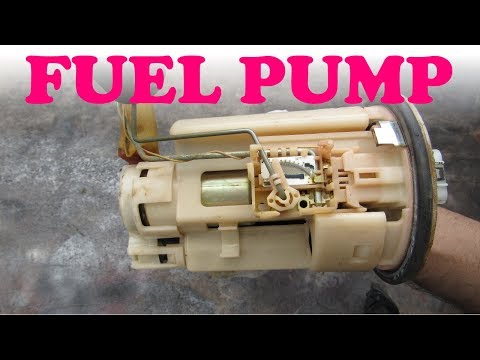
Common Signs of a Bad Fuel Pump
When a pump begins to fail, it rarely dies silently. Usually, it gives you a few warning shots. Here are the most common symptoms I look for during a professional diagnosis:
- Engine Sputtering at High Speeds: If you are cruising at highway speeds and the engine suddenly loses its rhythm or jerks, it is often because the pump is struggling to maintain a steady flow. It may recover momentarily, but this engine sputtering is a clear sign the pump motor is failing.
- Loss of Power Under Load: You might notice a significant loss of power when climbing a steep hill or towing a trailer. When the engine demands more fuel to handle the extra weight, a weak pump simply cannot keep up, causing the vehicle to feel sluggish or even stall.
- Hard Starting: A healthy fuel pump has an internal check valve that maintains pressure in the lines even when the car is off. When this valve fails, gasoline drains back into the tank. This leads to hard starting, where you have to crank the engine for several seconds before it finally catches.
- A Loud Whining Noise: While all electric pumps make a quiet hum, a failing pump often emits a loud, high-pitched howl or whine from the rear of the vehicle. If you hear this while idling, the pump is likely crying for help.

Other Problems That Mimic Fuel Pump Failure
Before you commit to a fuel pump replacement, it is important to realize that other components can fake a pump failure. As a technician, I always check the following first:
- Clogged Fuel Filter: A dirty fuel filter restricts flow exactly like a bad pump would. This is a much cheaper fix and should be ruled out before replacing the entire pump assembly.
- Faulty Fuel Pressure Regulator: If this component fails, it will not matter how well the pump works; the pressure at the injectors will be incorrect.
- Check Engine Light Issues: Sometimes a check engine light will trigger a lean fuel code. While this can be a pump issue, it is often caused by a vacuum leak or a failing mass airflow sensor.

Can You Drive With a Bad Fuel Pump?
Technically, you might be able to limp the car around for a few days, but I highly advise against it. A failing pump is completely unpredictable. It might work fine for twenty miles and then suddenly overheat and quit entirely, leaving you stranded in a dangerous spot, like a busy intersection or a highway shoulder.
Furthermore, a pump that is struggling causes the engine to run lean (too much air, not enough fuel). Over time, this can lead to overheating and much more expensive internal engine damage.
Repair and Replacement Costs
The cost to fix a fuel pump varies greatly depending on your vehicle's design. On some cars, the pump is accessible through a panel under the rear seat. On others, the technician must drain and physically drop the entire fuel tank to reach it. Generally, you can expect a replacement to cost anywhere from $400 to $1,000 for parts and labor.
Frequently Asked Questions
Why did my fuel pump fail? Most pumps fail due to age or debris in the tank. However, frequently driving with a low fuel tank is a common cause. Gasoline acts as a coolant for the pump; if the tank is always near empty, the pump can overheat and burn out.
Will a bad fuel pump always trigger a check engine light? Not necessarily. While it can cause a lean condition that triggers a light, the pump itself is not always monitored by the car's computer in a way that generates a specific fuel pump error code.
How can a technician tell for sure if the pump is bad? We use a specialized gauge to test the fuel pressure at the engine's fuel rail. If the PSI (pounds per square inch) is below the manufacturer's specification while the engine is under load, we know the pump is the culprit.
Conclusion
If your car is stuttering, losing power, or being stubborn when you try to start it, do not ignore the signs. Dealing with a fuel system issue early can save you from a hefty towing bill and the stress of a roadside breakdown. If you suspect your pump is on its way out, have a qualified technician perform a pressure test to get a definitive answer.
Disclaimer: Symptoms of fuel system failure can vary significantly based on your vehicle's specific make, model, and year. Always consult your owner's manual or a certified professional for a proper diagnosis.



No Comments Yet
Be the first to comment on this article.