Curtis.Castiglione@ROzebra.com

Hidden Suspension Damage and Insurance Supplements: 2017 Ford Explorer
If you have ever felt that sickening thud of a front wheel striking a curb or been involved in a side-impact collision in your 2017 Ford Explorer, your first instinct is likely to check the wheel. You might see a scuffed rim or a flat tire and assume that is the extent of the problem.
However, in the world of modern collision repair, the wheel and tire are often just the tip of the iceberg. Behind that wheel sits a complex network of suspension and steering components that are frequently damaged but rarely visible to the naked eye.
The Fuse Effect: Why Suspension Parts Bend
A vehicle’s wheel and tire assembly acts as a large lever. When that lever is struck from the side, the physics of the impact transfer force directly into the steering and suspension systems.
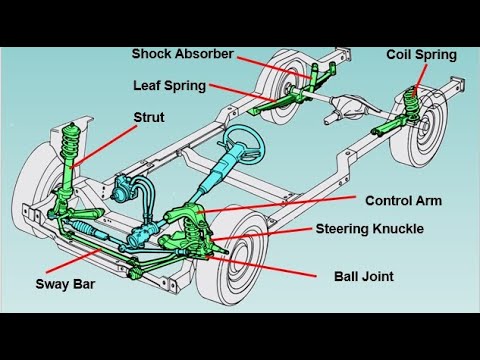
On a 2017 Ford Explorer, components like the lower control arm, steering knuckle, and strut are designed to be strong, yet they also act as a sort of mechanical fuse. It is often better for a control arm to bend than for the impact force to be transferred directly into the vehicle’s frame or subframe.
The challenge for owners is that these parts are made of high-strength steel or cast aluminum. They do not always look broken. A control arm only needs to be out of its original shape by a few millimeters to completely ruin the vehicle’s handling, cause the car to pull, or lead to premature tire wear.
Why is my insurance estimate so low?
It is a common source of frustration: the insurance adjuster looks at the car in your driveway and writes an estimate for a few hundred dollars to cover a new wheel and tire, but the repair shop later tells you the bill is significantly higher.
Does insurance cover the hidden damage? Generally, yes—but usually not on the first check. Insurance adjusters typically write visual-only estimates. If they cannot see a bend or a crack, they often will not include the part on the initial field estimate.
This leads to the supplement process. A supplement is an additional claim for damages discovered once the vehicle is professionally diagnosed or disassembled at a shop. This is a standard part of collision repair, particularly for mechanical damage that requires diagnostic equipment to identify.
The Wheel Alignment: The Lie Detector of Diagnostics
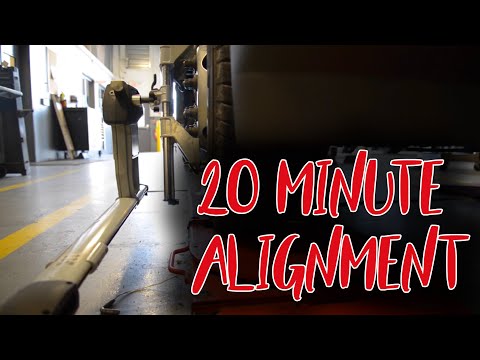
In a front-wheel impact, the most critical tool for a technician is the alignment rack. For a 2017 Ford Explorer, an alignment is a diagnostic necessity, not just a finishing touch. After the visible damage to the wheel is addressed, the technician should perform a pre-repair alignment check. This provides a printout of measurements that tell a story:
- Caster: If this measurement is off, it often points to a bent control arm or a shifted subframe.
- Camber: If this is out of spec, it usually indicates a bent strut or steering knuckle.
- Toe: This indicates whether the steering components, like tie rods, have been stretched or bent.
The shop uses this data to prove the hidden damage to the insurance company. Without an alignment printout, it is very difficult to justify the replacement of mechanical components that look fine but are functionally compromised.
The Silent Failure: Hubs and Bearings
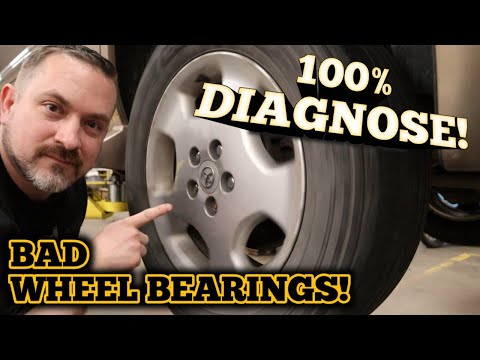
One of the most overlooked consequences of a curb impact is brinelling of the wheel bearing. When a wheel is hit hard from the side, the internal ball bearings can be slammed into the bearing race.
This damage is often silent for the first few hundred miles after a repair. However, as you continue to drive, the bearing will begin to growl or hum, eventually leading to a total failure. If the impact was significant enough to damage the wheel, a professional inspection should always include a check of the hub and bearing assembly.
Modern Tech: Sensors and ADAS
The 2017 Ford Explorer is more than just metal and rubber; it is a computer on wheels. even a minor suspension repair can affect the Steering Angle Sensor (SAS). This sensor tells the vehicle’s computer which way the wheels are pointed for the Electronic Stability Control and Lane Keeping Assist systems.
If the SAS is not recalibrated after an alignment or suspension repair, these safety systems may malfunction. Furthermore, if your Explorer is equipped with Advanced Driver Assistance Systems (ADAS) like adaptive cruise control, even a slight change in the vehicle's thrust angle can cause the front-facing radar to be misaligned.
Parts Selection: OEM vs. Recycled
When the repair shop identifies a bent control arm or knuckle, the insurance company may specify Like Kind and Quality (LKQ) parts. This usually means a recycled part from a salvage yard.
While recycled body panels are often acceptable, recycled suspension parts carry risks. If the donor vehicle was also in a front-end wreck, that new used control arm might be just as bent as your old one. You should always ask:
- Are these parts New OEM (Original Equipment Manufacturer), aftermarket, or recycled?
- Does my insurance policy allow me to pay the difference to get new OEM safety components if the policy only covers recycled parts?
Practical Checklist for Owners
If you are researching a repair for a wheel impact, follow these steps before authorizing the final close-out of your insurance claim:
- Request a Teardown: Ask the shop to remove the wheel and inspect the knuckle and control arm for stress marks or cracked paint, which indicates the metal has flexed.
- Demand an Alignment Printout: Do not accept it drives straight as an answer. Ask for the before and after alignment readings to ensure the vehicle is within manufacturer specifications.
- Check the Electronics: Ask the shop if a post-repair system scan was performed to ensure the Steering Angle Sensor and other ADAS components are communicating correctly.
- The Bearing Test: Ask the technician to rotate the hub by hand while the car is on the lift to check for roughness or play.
Summary
A 2017 Ford Explorer wheel impact is rarely just a cosmetic issue. Because the suspension components act as the vehicle's first line of defense, they often sacrifice themselves to protect the rest of the car. By insisting on a professional alignment diagnosis and understanding how the insurance supplement process works, you can ensure your vehicle is returned to its pre-accident safety and performance levels.
Disclaimer: Insurance policies and state laws vary significantly. Review your specific policy and consult with a qualified repair professional regarding your vehicle's specific needs.



No Comments Yet
Be the first to comment on this article.