Curtis.Castiglione@ROzebra.com
Hidden Repair Costs in 2018 Ford Edge Front-End Collisions
If you have been involved in a front-end collision with a 2018 Ford Edge, your initial insurance estimate might look deceptively low. At first glance, you may only see a cracked bumper cover or a slightly pushed-in grille. However, the modern Ford Edge utilizes a complex, tightly packed cooling and structural assembly that can turn a minor fender-bender into a significant mechanical and financial undertaking.
Understanding why these repairs are complex requires looking behind the plastic bumper at the vehicle’s cooling package, structural support system, and embedded technology.

Why did my estimate change after the shop started working?
This is the most common question vehicle owners ask. The answer lies in the difference between a visual estimate and a full teardown.
Most insurance adjusters write an initial estimate based only on what they can see while the vehicle is fully assembled. In a 2018 Ford Edge, the most critical components are hidden behind the bumper cover and the impact bar. Once the repair facility begins the teardown—the process of removing damaged exterior panels—they often discover concealed damage to the radiator support, active grille shutters, or mounting brackets.
The Supplement Process
When hidden damage is found, the shop prepares an insurance supplement. This is a request for additional funds and parts that were not included in the original estimate. This is a standard part of the collision repair process, not a sign that the shop is being dishonest. As a vehicle owner, you should ensure your shop takes detailed photographs of this hidden damage to provide to the insurance carrier for documentation.
The Cooling Package Domino Effect
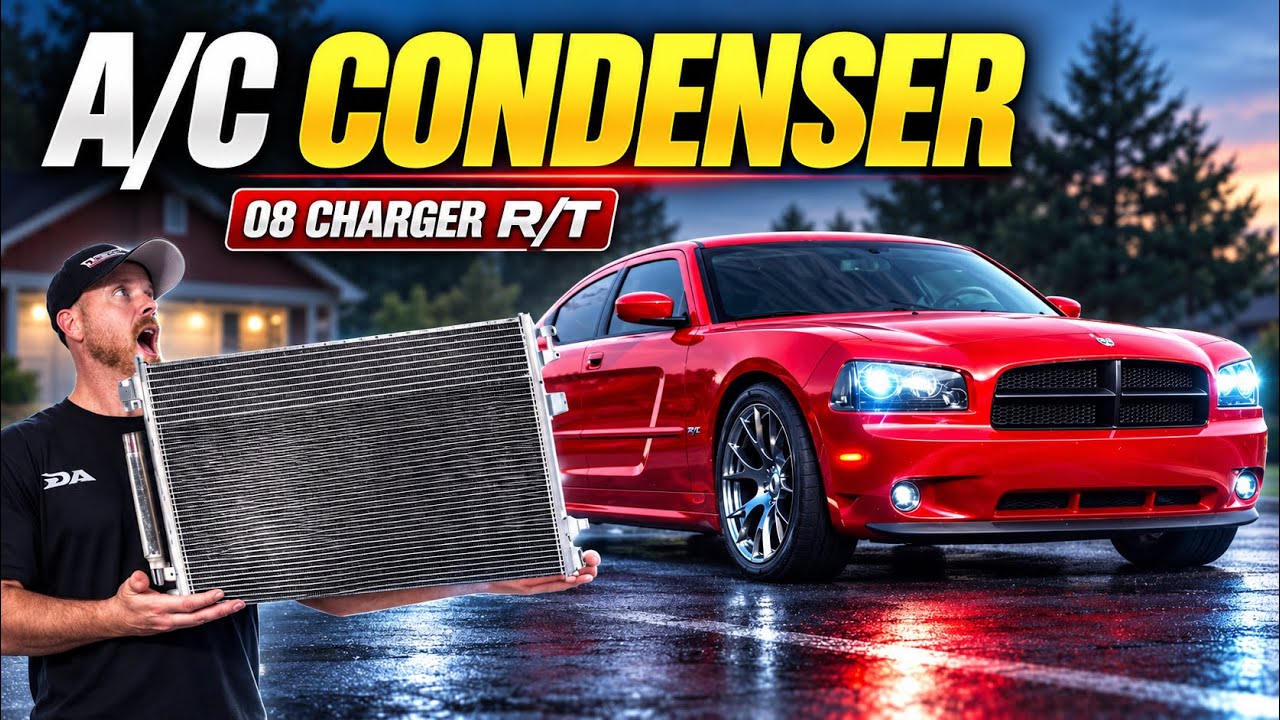
In a 2018 Ford Edge, the front-end components are arranged in what technicians call a cooling stack. This includes the air conditioning condenser, the engine radiator, and the cooling fan assembly, all housed within or attached to a radiator support.
Because these parts are layered closely together, an impact that pushes the bumper in just two or three inches can cause a domino effect:
- The Condenser: This is the outermost component. It can bend without leaking immediately, but internal stress fractures or restricted airflow can lead to A/C failure weeks after the car is returned to you.
- The Radiator: Located directly behind the condenser. Even a slight nudge can crack the plastic tanks on the sides of the radiator.
- The Cooling Fan Assembly: If the radiator support is pushed back, the fans can be forced into the engine block or auxiliary components, cracking the plastic fan shroud or damaging the fan motors.
The Role of the Composite Radiator Support
On older vehicles, the radiator support was often a heavy steel frame that could sometimes be pulled back into place. On a 2018 Ford Edge, this support is a lightweight composite (plastic-and-metal) assembly designed to break or shatter upon impact to absorb energy.
This component is the skeletal foundation for your headlights, grille, and cooling system. Because these supports cannot be straightened, they must be replaced if they are cracked or even slightly out of alignment. If this part is ignored, several issues may arise:
- Your headlights will not fit correctly or aim properly.
- The hood latch may not line up safely, posing a risk of the hood flying open.
- The cooling stack will not be properly secured, leading to vibrations and premature part failure.
Mechanical Diagnosis and ADAS Calibrations
A front-end collision on a Ford Edge is as much a mechanical repair as it is a body repair. Modern vehicles are equipped with Advanced Driver Assistance Systems (ADAS) that require specialized attention after an accident.
Active Grille Shutters
These are motorized slats behind the grille that open and close to improve aerodynamics and engine warming. They are fragile and frequently break in low-speed impacts. If replaced, they often require a diagnostic scan to ensure the vehicle’s computer can communicate with the new motor.
Radar and Sensors
If your Edge is equipped with Adaptive Cruise Control or Pre-Collision Assist, the radar sensor is often located behind the front bumper or emblem. Any movement in the vehicle’s structure may require a sensor recalibration. Without this, your safety systems may not react correctly in an emergency.
A/C and Coolant Service
If the condenser or radiator is replaced, the systems must be evacuated, recharged, and bled of air using specific Ford procedures. Improperly bleeding the cooling system can lead to air pockets and engine overheating.

Does insurance cover OEM or aftermarket parts?
Your insurance policy is the governing document for part choices. Most policies allow for the use of three types of parts:
- Aftermarket Parts: New parts made by a company other than Ford.
- Like Kind and Quality (LKQ): Recycled parts from a donor vehicle of the same year or newer.
- OEM (Original Equipment Manufacturer): Parts made specifically by Ford.
While aftermarket body panels are common, you should pay close attention to mechanical components like radiators and cooling fans. Some insurance companies will pay for OEM parts if the vehicle is new enough or if no high-quality alternatives exist. If you insist on OEM parts and your policy does not cover them, you may be responsible for the price difference. Review your policy or consult your claims adjuster to understand your specific coverage.
Practical Steps for the Vehicle Owner
If you are dealing with a 2018 Ford Edge front-end repair, follow these steps to ensure a quality outcome:
- Do Not Ignore Warning Lights: If your Check Engine light or a cooling system warning appears, have the vehicle towed. Driving with a damaged cooling system can lead to catastrophic engine failure. Insurance may deny coverage for engine replacement if the damage was caused by continued operation after the accident.
- Request a Pre-Repair Scan: Choose a shop that performs a diagnostic scan before starting work. This identifies soft codes in the computer that do not always trigger a dashboard light but indicate electrical or sensor issues.
- Review the Final Bill: Always ask for a copy of the final billing statement and the approved supplements. This document confirms what was replaced, whether the parts were OEM or aftermarket, and what mechanical calibrations were performed.
Because the 2018 Ford Edge packs so much technology and cooling equipment into the front-end, a visual estimate is rarely the final price. Proper documentation of hidden damage and specialized mechanical calibration are the keys to a safe and complete repair.



No Comments Yet
Be the first to comment on this article.