Curtis.Castiglione@ROzebra.com

Hidden Mechanical Damage in 2018 Ford Edge Front-End Collisions
If you have been involved in a front-end collision in a 2018 Ford Edge, your initial insurance estimate might only reflect a few thousand dollars for a bumper, grille, and maybe a headlight. However, once the vehicle is at the repair shop and the teardown begins, that cost can double or triple.
This is not necessarily a sign of a dishonest shop; it is a reflection of the complex mechanical and cooling systems housed directly behind the plastic bumper cover. Understanding the relationship between the exterior skin of your car and the mechanical organs underneath is essential for ensuring your vehicle is returned to safe, pre-accident condition.
Why did my initial insurance estimate change?
Insurance adjusters often write preliminary estimates based only on what is visible during a quick inspection. In a front-end impact, the plastic bumper cover—often made of polyolefin—frequently pops back into its original shape after an impact, hiding significant structural and mechanical damage underneath.
On a vehicle like the Ford Edge, especially those equipped with the 2.0L or 2.7L EcoBoost engines, the area behind the grille is packed with critical components. When the shop removes the bumper—a process called a teardown—they often find that the impact pushed the cooling stack rearward.

This discovery leads to an insurance supplement, which is an additional claim for the newly discovered damage. Common hidden damage found during teardown includes:
- Cracked radiator supports
- Hairline fractures in the A/C condenser
- Bent radiator cores
- Dislodged or cracked turbocharger plumbing
- Broken mounting tabs on headlight assemblies
The Turbo Factor: Intercoolers and Charge-Air Plumbing
On a turbocharged Ford Edge, the intercooler (or charge-air cooler) is responsible for cooling the compressed air before it enters the engine. This component is usually mounted low and forward, making it highly susceptible to collision damage.
Even a hairline crack in an intercooler or a slightly displaced turbo hose can cause a boost leak. The danger here is that a vehicle may initially drive normally around the block. However, under load or at highway speeds, the engine may lose power, stutter, or trigger a limp mode or check engine light.
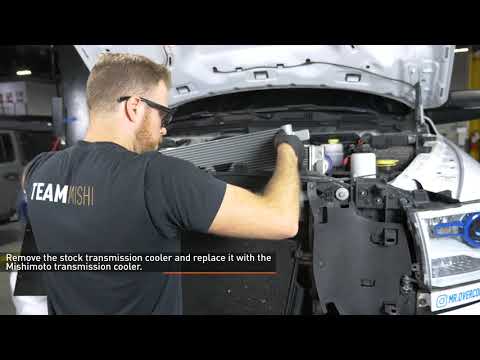
Pro Tip: If a shop does not pressure test the charge-air system or carefully inspect the mounting tabs of the intercooler, you could be left with a lingering mechanical issue that the insurance company may later claim is unrelated to the accident because it was not documented during the initial repair.
The Radiator Support: More Than Just a Bracket
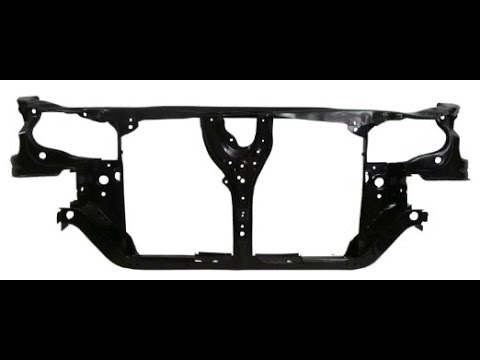
The radiator support on a 2018 Ford Edge is a complex framework that holds the radiator, condenser, cooling fans, and often the hood latch and headlight assemblies. In modern vehicles, these supports are frequently made of plastic composites or lightweight magnesium to save weight.
Unlike the steel supports of the past, these materials do not bend; they crack or shatter.
- Alignment Issues: If the radiator support is even slightly out of alignment, your bumper and headlights may not line up correctly.
- Mechanical Failure: A distorted support can cause cooling fans to rub against the radiator core, eventually leading to a leak and engine overheating.
- Structural Integrity: A professional repair facility will measure the support or inspect it for stress fractures to ensure the structural integrity of the front end is fully restored.
Does insurance cover these mechanical repairs?
Generally, if a mechanical failure is a direct result of the collision, it is covered under a standard collision policy. This includes punctured radiators, cracked intercoolers, and severed wiring harnesses.
However, there are a few distinctions to keep in mind:
- Direct Damage vs. Wear and Tear: Insurance typically does not cover pre-existing conditions. For example, if your radiator was already leaking from old age prior to the crash, the insurer might only pay for a portion of the replacement (often called betterment) or deny it entirely.
- Documentation is Key: It is the responsibility of the repair facility to document the relationship between the impact and the mechanical damage. Photos of impact marks on the cooling fins or cracked mounting brackets are essential for getting these items approved in a supplement.
Modern Tech: ADAS and Sensor Calibration
A 2018 Ford Edge may be equipped with Advanced Driver Assistance Systems (ADAS), such as Adaptive Cruise Control (ACC) or Pre-Collision Assist. These systems utilize a radar sensor located behind the front bumper or grille.
Even a minor tap to the front end can knock this sensor out of alignment. When the shop replaces the bumper or the radiator support, these sensors must be calibrated. This is a specialized labor operation that requires specific software and targets. If your vehicle displays a Collision Assist Not Available warning after a repair, the shop likely missed a calibration step or failed to identify a damaged sensor bracket.
OEM versus Aftermarket Parts in the Cooling Stack
When it comes to the intercooler and radiator, your insurance policy may dictate the use of Like Kind and Quality (LKQ) or aftermarket parts. While an aftermarket bumper might affect the look of the car, an aftermarket intercooler or radiator can affect engine performance and longevity.
Turbocharged engines are sensitive to the airflow and cooling rates designed by Ford. If a shop uses a low-quality aftermarket intercooler, it may not dissipate heat as effectively as the original part.
- Check your policy: See if you have an OEM parts endorsement, which requires the use of original manufacturer components.
- Consult the shop: Ask what type of parts are being used and if they meet the manufacturer’s cooling specifications.
What should you do if you suspect hidden damage?
If you are navigating a front-end collision repair for your Ford Edge, take the following steps:
- Do not ignore drivability signs: If you see fluid leaking, hear a whistling sound under acceleration (a sign of a turbo leak), or notice the temperature gauge climbing, stop driving the vehicle immediately.
- Request a Pre-Repair Scan: Ensure the shop performs a diagnostic scan of the vehicle’s computers. This can identify soft codes or hidden faults in the engine management system that do not always turn on a dashboard light.
- Review the Supplement: Ask the repair facility for a copy of the line item estimate and any supplements. Ensure they have specifically inspected the turbo plumbing and the radiator support.
- Verify Testing: Ask the shop: Was the cooling system pressure tested? Were the turbo ducts checked for cracks? Was the ADAS system calibrated?

A proper collision repair must account for the mechanical systems sitting behind the body panels. If the shop only focuses on the paint and the plastic, you may be heading back to a mechanic for expensive repairs long after the insurance claim is closed.



No Comments Yet
Be the first to comment on this article.