Curtis.Castiglione@ROzebra.com

Hidden Damage in Subaru Crosstrek Front-Corner Collisions
By Curtis Castiglione
If you own a 2020 Subaru Crosstrek and have recently been involved in a front-corner collision, you might be surprised by the sticker shock of the final repair bill. You may have started with an initial insurance estimate of 1,200 dollars for a bumper and a fender, only to have the body shop call a few days later with a revised total that is thousands of dollars higher.
This change is not necessarily a sign of a dishonest shop or a bad insurance adjuster. Rather, it is the result of how modern vehicles—specifically All-Wheel Drive (AWD) Subarus—are engineered to handle impact energy.
The Deception of the Front-Corner Impact
In a front-corner collision, the plastic bumper cover and thin sheet-metal fender act as a facade. Because the front wheel sits directly behind these panels, it often becomes the primary punching bag for the force of the accident.
While the cosmetic damage might look minor, the energy of the impact travels through the wheel and into the mechanical skeleton of the car. This energy moves through a specific path:
- The Wheel and Tire: These can be bent, cracked, or structurally compromised even if they still hold air.
- The Steering Knuckle and Hub Assembly: These hold the wheel in place. Even a slight crack or bend here is a major safety issue.
- The Strut and Control Arm: These suspension components are designed to bend under stress to protect the vehicle’s main frame.
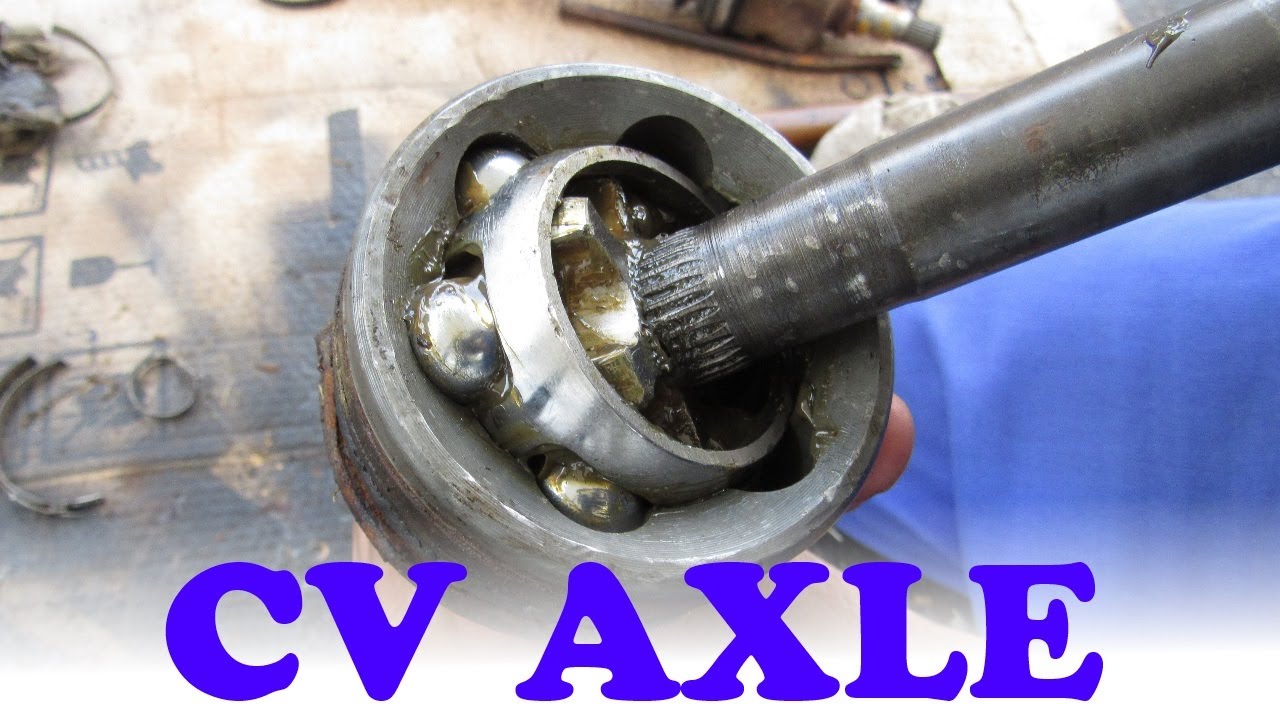
- The CV Axle and Wheel Bearing: These drivetrain components can be telescoped or compressed during the hit, leading to internal damage that is not visible from the outside.
Why the Initial Estimate Was Lower
Insurance adjusters typically perform a walk-around inspection for the initial estimate. They write for what they can see without taking the car apart. On a Subaru Crosstrek, a scuffed wheel might only be written for a refinish or a reconditioned part initially.
However, once a technician gets the car on a lift and removes the wheel—a process known as teardown—the hidden reality emerges. This leads to an insurance supplement.
The Insurance Supplement Process
A supplement is a request for additional funds sent by the repair facility to the insurance company. It is a standard part of the collision repair process. When a shop discovers that the steering knuckle is cracked or the wheel bearing is making a growling noise, they must document these findings.

The shop typically uses photographs, diagnostic trouble codes (DTCs), or computerized alignment printouts to prove to the insurance company that the damage was caused by the accident and not by normal wear and tear. Whether these additional costs are covered depends on your specific policy and the evidence the shop provides.
High-Tech Hurdles: Subaru EyeSight and ADAS
A 2020 Subaru Crosstrek is not just a mechanical machine; it is a rolling computer. Most Crosstreks are equipped with EyeSight Driver Assist Technology.
This system relies on cameras and sensors to manage adaptive cruise control and pre-collision braking. If the suspension is damaged—even by a few millimeters—the vehicle’s thrust angle (the direction the rear wheels are pointing relative to the center of the car) can change.
- Alignment is a mechanical necessity: If the geometry is off, the car may pull or vibrate.
- Calibration is mandatory: After the suspension is repaired and the car is aligned, the EyeSight system must often be recalibrated. This ensures the cameras see the road correctly based on the new ride height and steering angle.
If your insurance estimate changed significantly, it is likely because these high-tech labor operations and precision calibrations were added once the mechanical damage was confirmed.
Parts Selection: OEM vs. Aftermarket
When it comes to CV axles, wheel bearings, and suspension components, the type of part used matters immensely. Subaru AWD systems are famously sensitive to variations in part specifications.

- OEM (Original Equipment Manufacturer): Parts made by Subaru specifically for your model.
- Aftermarket: New parts made by third-party companies.
- Recycled (LKQ): Used parts from a salvage yard.
Using an aftermarket CV axle that is slightly out of balance can cause a persistent vibration that feels like a tire out of balance. While insurance policies often allow for the use of non-OEM parts to control costs, you should discuss with your shop why OEM parts might be necessary for drivetrain components to maintain the integrity of the AWD system.
Steps to Take Before You Authorize Repairs
If you are navigating a claim for a front-corner hit, take the following steps to protect your investment:
- Communicate All Symptoms: Tell the shop and the adjuster if you hear clicking noises when turning, feel a vibration in the steering wheel, or notice the car pulling to one side.
- Request a Diagnostic Scan: Ask for the Pre-Scan and Post-Scan reports. These show if the vehicle’s computers flagged any faults related to the sensors or drivetrain during the impact.
- Review the Alignment Sheet: When the car is finished, ask for the final alignment printout. Ensure all measurements are in the green or within manufacturer specifications.
- Check for Warning Lights: If your dashboard has a steering or EyeSight warning light after the bodywork is finished, the mechanical repair is not complete and requires further diagnosis.
Summary
A front-corner collision on a Subaru Crosstrek is rarely just a fender bender. Because the suspension and drivetrain are so closely linked to the point of impact, hidden damage is the rule rather than the exception. By understanding the supplement process and the necessity of ADAS calibrations, you can ensure your vehicle is returned to its pre-accident safety standards.
Disclaimer: Insurance coverage and state laws vary. Review your specific policy and consult with your insurance carrier or a qualified collision repair professional regarding your claim.



No Comments Yet
Be the first to comment on this article.