Curtis.Castiglione@ROzebra.com

Hidden Damage in 2020 Traverse Side-Impacts
By Curtis Castiglione
If you have been involved in a side-impact collision with your 2020 Chevrolet Traverse, the initial estimate you received from an insurance adjuster likely focused on the visible dents on the exterior door skin. However, as the repair process begins, it is common for the final cost to rise significantly. This is not necessarily a sign of a shop trying to overcharge you; rather, it reflects the complex reality of how modern vehicle doors are engineered and how insurance claims are processed through supplements.
The relationship between visible damage and hidden mechanical or electrical failure is a primary driver of repair costs. A car door on a vehicle like the Traverse is no longer just a metal shell. It is a sophisticated housing for safety structures, electronic modules, and glass movement systems.
Why did my repair estimate change after I dropped off my car?
The most common reason for an estimate increase is the transition from a preliminary estimate to a blueprinted repair. When an insurance company writes an initial estimate, they often perform a visual inspection of the exterior. If the door opens and the window goes up and down, they may only account for the outer door panel and paint labor. In the collision industry, we call this a preliminary estimate.
The real work begins during the teardown or disassembly phase. Once the interior trim panel is removed, a technician can inspect the inner door shell, the window regulator, and the wiring harnesses. In a 2020 Traverse, a side impact can shift the internal components even if the exterior damage looks minor.
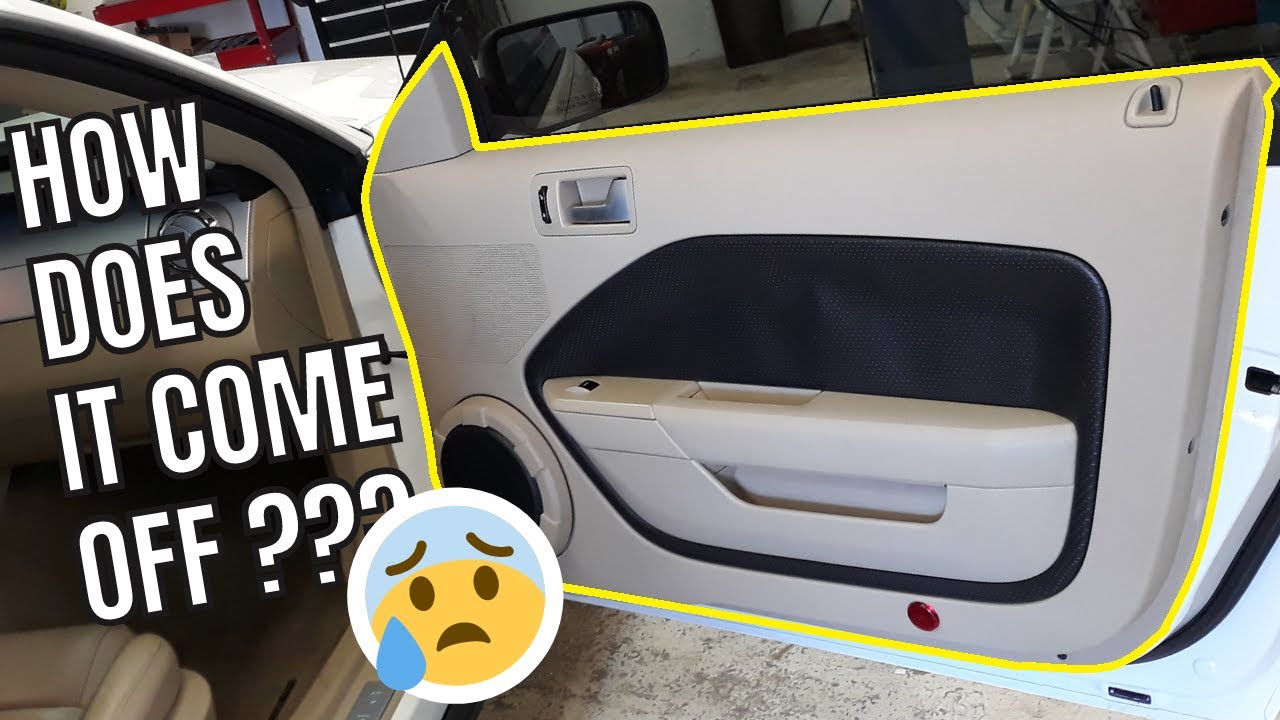
The Hidden Complexity of Mirror Wiring
Modern exterior mirrors are often packed with technology. Depending on the trim level of your Traverse, that mirror may contain a heating element, an integrated turn signal, a blind-spot monitoring indicator, an auto-dimming motor, and even a camera for a 360-degree bird's-eye view.
A common mistake is assuming that because the mirror still adjusts, it is fine. A collision can pinch a wiring harness against the inner structure or partially crack a plastic connector. This might not cause a failure today, but it can lead to corrosion or a short circuit months later. If the wiring is damaged, the manufacturer often requires the replacement of the entire harness or mirror assembly to ensure the safety systems, like blind-spot alerts, function as intended.

The Window Regulator and Internal Alignment
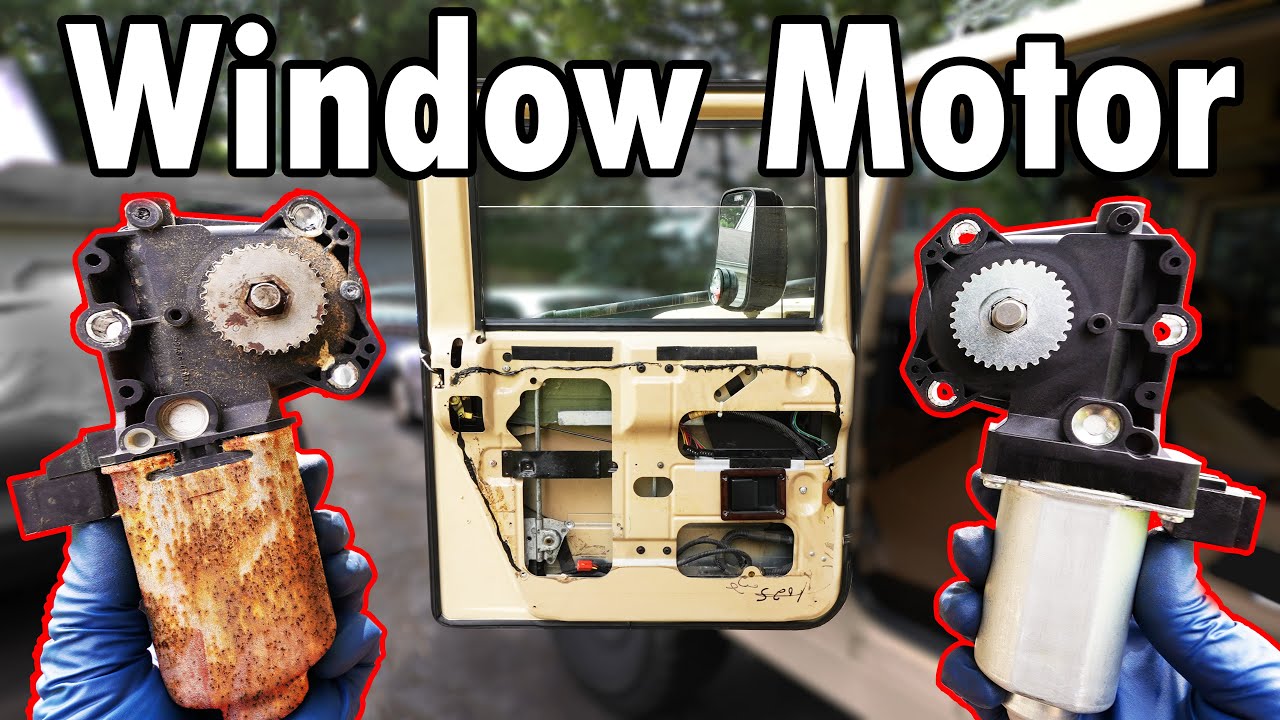
The window regulator is the mechanical track and motor system that moves your door glass. These components are often made of thin-gauge steel or plastic and are positioned very close to the outer door skin. Even a shallow dent in the door can bend a regulator track or knock it out of alignment.
If the regulator is slightly bent, the window may still operate, but the motor will have to work twice as hard to overcome the friction. This leads to premature motor failure. Furthermore, if the glass is not traveling perfectly in its tracks, it can compromise the weather stripping, leading to wind noise or water leaks. A thorough inspection requires a technician to cycle the window and check for drag, noise, or uneven travel that an insurance adjuster might miss during a quick walk-around.
Understanding Insurance Supplements
When a repair shop finds hidden damage, they submit a supplement to the insurance company. A supplement is simply a request for additional parts or labor hours once the vehicle has been disassembled and the full extent of the damage is known.
Insurance policies generally cover the cost to return the vehicle to its pre-accident condition. If a professional inspection reveals that the inner door structure or the wiring is compromised, the insurance company is typically obligated to pay for those repairs, provided they are related to the loss. However, whether the insurance company pays for a new Original Equipment Manufacturer (OEM) part or a recycled/aftermarket part depends on the specific language of your policy and state regulations. Readers should always review their policy and consult their insurance company or repair facility regarding part selection.
Practical Steps for the Vehicle Owner
- Ask for a teardown: Do not assume the initial estimate is final. Ask the repair facility if they have performed a full disassembly of the door to check the regulator and wiring.
- Verify safety calibrations: If your mirror contains a camera or a blind-spot sensor, the vehicle may require a digital calibration after the mirror is replaced or reinstalled. This is a mechanical labor operation that requires specific software.
- Inspect the latch and hinges: A side impact can put stress on the door hinges and the latching mechanism. If the door does not close with the same sound or feel as the other doors, the alignment of the striker or the hinges may be compromised.
- Review the parts list: Check if the shop is using OEM parts. For structural items like the door shell or complex electronics like the mirror, manufacturer parts are often preferred to ensure a proper fit and electrical compatibility.

Why the Final Cost Matters
The 2020 Chevrolet Traverse utilizes high-strength steel in its safety cage. The doors are designed to manage energy during a crash to protect the occupants. If the inner shell is buckled or improperly repaired, the vehicle's structural integrity in a future accident could be compromised.
By focusing on a complete mechanical and electrical diagnosis rather than just a cosmetic fix, you ensure the longevity of the vehicle and the safety of its passengers. Always prioritize a shop that follows manufacturer-recommended repair procedures and is willing to explain the technical reasons behind a supplement. If there is a disagreement between your shop and the insurance company regarding the necessity of a repair, you may need to consult your policy regarding appraisal rights or third-party inspections.



No Comments Yet
Be the first to comment on this article.