Curtis.Castiglione@ROzebra.com

Hidden Damage in 2018 Nissan Rogue Rear-End Collisions
By Curtis Castiglione
If you have been involved in a rear-end collision in a 2018 Nissan Rogue, you might be relieved to see only a few scuffs on the plastic bumper. However, that relief can be short-lived. Many owners find that the initial check from the insurance company—often based on a few photos sent via a mobile app—is thousands of dollars short of the actual repair cost.
The reason is simple: the Nissan Rogue’s design allows impact forces to bypass the flexible exterior parts and travel deep into the exhaust system and the rear body structure.
Why did my insurance estimate miss the damage to my exhaust and trunk floor?
In the modern insurance landscape, virtual adjusting is the norm. An adjuster or an algorithm looks at exterior photos to write an initial estimate. Because the 2018 Nissan Rogue features a flexible plastic bumper cover, it often memories back or pops back into its original shape after an impact.

While the plastic looks fine, the components hidden beneath it do not have that same elasticity. A photo cannot see a buckled trunk floor or a shifted exhaust manifold. Consequently, your initial estimate only reflects the visible surface damage, ignoring the mechanical and structural issues that actually affect the safety and longevity of your vehicle.
The Hidden Path: How Exhaust Damage Occurs
The exhaust system on a Rogue is essentially a long, rigid metal pole extending from the rear bumper all the way to the engine. When a vehicle strikes the rear of a Rogue, it often hits the tailpipe.
- The Shove Effect: Even a low-speed impact can push the entire exhaust system forward.
- Rubber Hangers: The exhaust is held up by rubber hangers that allow it to swing. During a crash, the system can shift forward several inches and then spring back.
- Engine-Side Damage: While the tailpipe might look straight, that forward shove can crack the exhaust manifold at the engine block or damage the expensive catalytic converter.
- The Warning Signs: You may not see a Check Engine light immediately. Owners should listen for new vibrations, a deeper exhaust note, or the smell of fumes inside the cabin.
Structural Integrity: The Trunk Floor and Spare Tire Well
Behind the bumper of the 2018 Nissan Rogue is the rear body panel and the floor pan where the spare tire sits. These areas are made of lighter-weight steel designed to crumple to protect passengers during a major wreck.
In a moderate hit, the bumper reinforcement bar—the metal bar behind the plastic—can compress and strike the rear body panel. If you do not lift the carpet in the cargo area and remove the spare tire, you might miss:
- Buckled Metal: Creases in the floor that compromise the vehicle's structural integrity.
- Seal Failures: Hidden damage that prevents the liftgate from sealing, leading to water leaks and mold.
- Corrosion: Unrepaired creases in the metal will eventually rust, as the factory e-coat (paint protection) cracks when the metal bends.
Does insurance pay for mechanical damage to the exhaust?
Generally, yes. Insurance policies typically cover damage where the accident was the proximate cause. If the collision caused the exhaust to leak or bend, it is a covered loss.
The burden, however, is on the repair facility to prove it. This is why a physical inspection is required. A qualified technician should perform a smoke test to check for leaks and measure the exhaust hangers to ensure the system hasn't been displaced.
Why the Supplement Process is Necessary
If your repair cost is higher than the original insurance estimate, do not panic. This is handled through a supplement.
Once you choose a body shop, they will perform a teardown—removing the bumper and damaged exterior parts to see what lies beneath. They will then document the hidden structural and mechanical damage and submit a supplemental estimate to the insurance company. On a 2018 Nissan Rogue, this often includes:
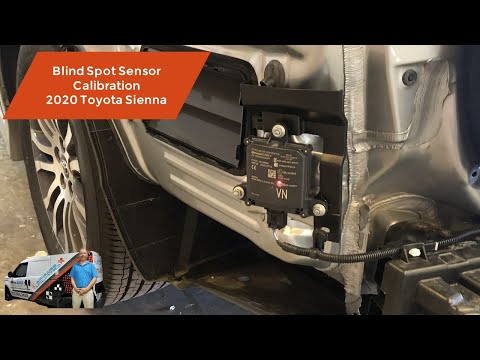
- ADAS Calibration: The Rogue is equipped with Blind Spot Warning and Rear Cross Traffic Alert. The radar sensors are located behind the bumper corners. If the brackets are bent by even a few millimeters, the sensors must be recalibrated to function safely.
- Pre- and Post-Repair Scans: A technician must plug into the vehicle's computer to identify soft codes or hidden faults triggered by the impact.
Practical Steps: What Should I Do If I Am Involved in a Rear-End Collision?
- Don't Trust the Photo Estimate: Use the insurance company's app estimate as a starting point, not a final word.
- Inspect the Spare Tire Well: Open your trunk, lift the floorboard, and remove the spare tire. Look for any rippled metal or cracked paint.
- Ask for a Lift Inspection: Ensure the repair shop puts the vehicle on a lift to inspect the exhaust hangers and the underside of the floor pan.
- Request an ADAS Check: Specifically ask if the blind-spot sensors need to be recalibrated.
- Understand Your Parts Rights: Review your policy to see if you are entitled to Original Equipment Manufacturer (OEM) parts or if the insurer can specify aftermarket or recycled parts. This varies by state and policy type.
Summary
A 2018 Nissan Rogue is a sophisticated machine with energy-management zones designed to protect you. However, those zones do their job by sacrificing themselves. If you have been hit from behind, the hidden damage to the exhaust and trunk floor is often more expensive and more important than the plastic bumper you can see. Always insist on a teardown and a professional structural inspection before considering the repair complete.
Curtis Castiglione is an automotive industry professional specializing in collision repair procedures and insurance claim documentation.



No Comments Yet
Be the first to comment on this article.