Curtis.Castiglione@ROzebra.com

Hidden Damage in 2018 Nissan Armada Front-Corner Collisions
By Curtis Castiglione
If you drive a full-size SUV like the 2018 Nissan Armada, a front-corner collision can be incredibly deceptive. Because these vehicles sit high and are draped in large, flexible plastic bumper covers, a low-speed impact often looks like a simple cosmetic fix—perhaps a few scuffs or a cracked fog lamp.
However, once a technician removes the skin of the vehicle, the reality of modern automotive engineering becomes clear. What started as a 500 dollar cosmetic concern can quickly evolve into a 5,000 dollar structural and mechanical repair. Understanding the relationship between the exterior damage and the systems hidden beneath is vital for any owner navigating the insurance claim process.
The Discrepancy Between Visual Estimates and Reality
When you first file a claim, the initial estimate provided by an insurance adjuster is often a visual-only document. They write for what they can see without disassembly.
The Armada’s bumper cover has 'memory.' In an impact, the plastic can deform, crush the components behind it, and then pop back into its original shape. This hides the true extent of the damage from the naked eye. This is why the estimate you receive at your driveway is rarely the final price of the repair.
The Bumper Reinforcement: A Structural Foundation
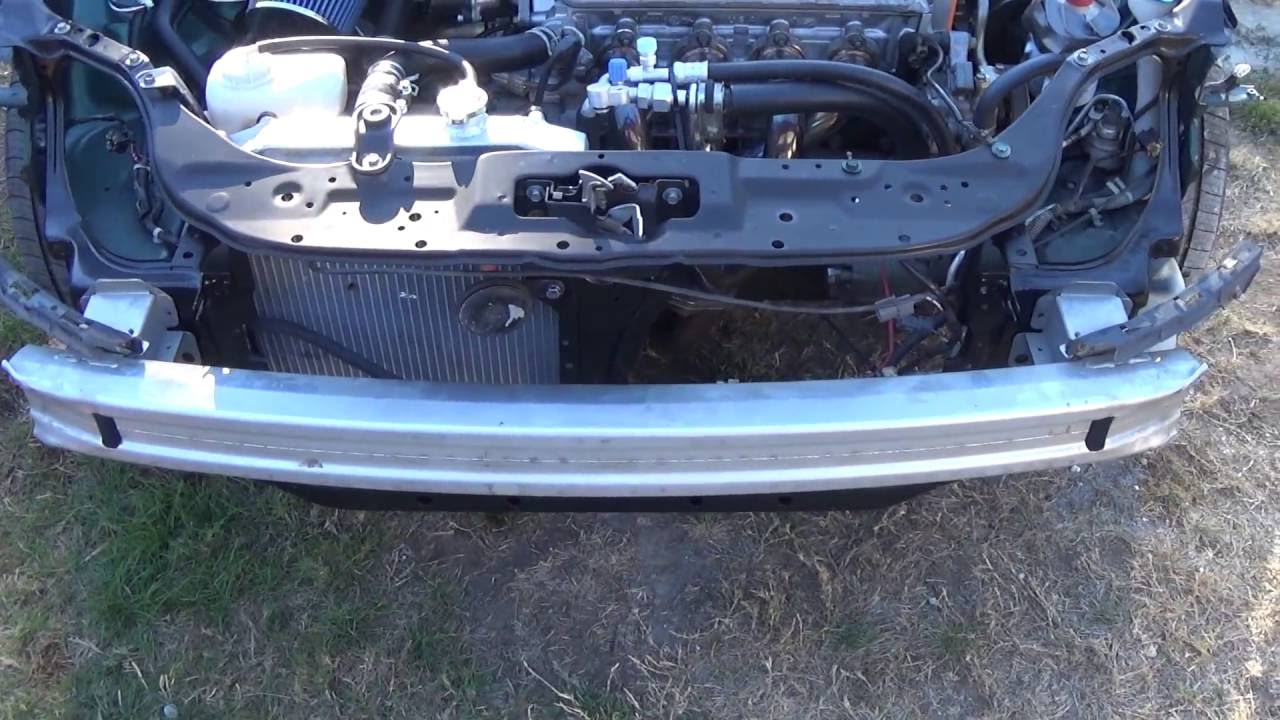
The most critical component behind the plastic fascia is the bumper reinforcement bar. This is a heavy-duty beam designed to transfer energy into the frame rails.
- Structural Integrity: In a corner impact, this bar often bends or shifts, even if the plastic cover looks fine.
- The Teardown: During the 'blueprinting' or teardown process, the shop must inspect the mounting brackets and the 'frame horns' where the reinforcement attaches.
- Energy Transfer: Because the Armada is a body-on-frame vehicle, a significant corner hit can transmit energy directly into the frame. If the reinforcement is compromised, the shop may need to set the vehicle on a frame rack to ensure the chassis is still square.
Complex Wiring and Fog Lamp Systems
Modern lighting is rarely just a bulb and a lens. The fog lamp assemblies on a 2018 Armada are housed in specific brackets that snap easily during an impact. More importantly, the wiring harnesses for these lamps—and the proximity sensors for the Advanced Driver Assistance Systems (ADAS)—run along the inner perimeter of the bumper.
- Pinched Wires: If a wire is pinched or a connector is cracked, it can lead to intermittent electrical failures or 'ghost' warnings on your dashboard.
- Manufacturer Procedures: Some manufacturers forbid wire splicing in certain safety-critical areas. This means a minor nick in a wire could require the replacement of the entire front-end harness to maintain the integrity of the safety systems.
The Fragile Cooling Stack
Behind the bumper of the Armada lies the cooling stack, which typically includes the A/C condenser, the radiator, and often a transmission or oil cooler. These components are made of thin-walled aluminum.
Even a slight displacement of the bumper reinforcement can push these components backward. You might not see a leak immediately, but if the radiator support is tweaked, it can create a 'rub point.' Over time, a cooling fin vibrating against another part will lead to a catastrophic fluid leak. A professional inspection involves checking the gaps between these components to ensure they haven't been pushed into the cooling fan shroud.
Understanding the Insurance Supplement Process
This is where many vehicle owners become frustrated: the shop calls to say the repair will cost significantly more than the insurance check you already received. This is a standard part of the collision industry known as the supplement.
- Discovery: The shop performs a teardown and finds hidden damage (such as a bent reinforcement bar or a leaking condenser).
- Documentation: The shop photographs the damage and identifies the specific labor operations needed to fix it.
- Review: The insurance company reviews the relationship between the original accident and the new findings.
- Approval: Once the carrier agrees the damage is collision-related, they issue an additional payment to the shop.

Parts: OEM, Aftermarket, and Safety
One of the biggest points of contention in Armada repairs is the type of parts used. Your insurance policy likely contains language regarding 'Like Kind and Quality' (LKQ) or aftermarket parts.
For a vehicle like the Armada, using a non-OEM (Original Equipment Manufacturer) bumper reinforcement can be risky. If the fitment is off by even a few millimeters, the parking sensors may not calibrate correctly. You should review your policy to see if you have an 'OEM Parts' endorsement. If not, the insurance company may only pay for the cheapest available part, and the difference in cost for an OEM part may become your responsibility.
Practical Steps for Vehicle Owners
To ensure your Armada is restored to factory safety standards, follow these steps:
- Request a Full Teardown: Do not assume the initial estimate is accurate. Ask the shop to identify all hidden damage before parts are ordered.
- Inquire About ADAS Calibration: If your Armada has front sensors or cameras, ask the shop if a post-repair calibration is included. This is a mandatory safety step that insurance should cover if components were moved or replaced.
- Check for Betterment: If your radiator was old and the insurance company replaces it with a brand-new one, they may charge you a 'betterment' fee because the repair improved the vehicle's condition beyond its pre-accident state. This varies by state and policy.
- Review the Supplement Photos: A reputable shop will have no problem showing you the bent metal or broken plastic that was hidden during the first inspection.
The goal of a proper repair is to ensure that the crumple zones and safety systems will perform exactly as designed in the event of another accident. A quick cosmetic fix that ignores the reinforcement or the cooling system is not just a poor repair; it is a safety risk. For specific questions regarding your coverage, always consult your insurance policy or a qualified professional.


No Comments Yet
Be the first to comment on this article.