Curtis.Castiglione@ROzebra.com

Hidden Damage in 2018 Buick Enclave Side Impacts
By Curtis Castiglione
If you have ever looked at a dented rear door on a 2018 Buick Enclave and received an initial insurance estimate for 800 dollars, only to have the body shop call two days later saying the cost has doubled or tripled, you are not alone.
In the world of modern collision repair, the outer door panel is essentially a "skin." What lies beneath that skin is a complex network of high-strength steel, electrical architecture, and precision-mounted mechanical tracks. For a vehicle like the 2018 Enclave, a side impact—even at low speeds—rarely stops at the surface. Understanding the relationship between visible damage and hidden mechanical requirements is key to ensuring your vehicle is returned to its pre-accident safety standards.
The Anatomy of a Modern Side Impact
The 2018 Buick Enclave is a family-oriented SUV designed with high safety ratings. To achieve those ratings, General Motors engineered the doors with internal reinforcements that are often compromised during a collision.
1. The Intrusion Beam Inside the rear door shell sits a high-strength steel intrusion beam. Its job is to absorb energy and prevent an impacting vehicle from entering the cabin. If this beam is bowed or the welds are stressed, the door cannot be "pushed out" or repaired. It must be replaced to ensure that, in a second accident, the door will protect the passengers as designed.
2. Mounting Point Distortion The window regulator (the motor and track system that moves your glass) and the door latch are bolted to the inner stamping of the door. If the impact pushed the door skin into these components, the mounting points may be distorted by only a few millimeters. Even a tiny misalignment will cause:
- Windows that squeak or chatter.
- Window motors that burn out prematurely due to resistance.
- Doors that require a "hard slam" to close.
Why the Initial Estimate is Rarely the Final Price
Most insurance adjusters write an initial estimate based on a visual inspection. They see a dented door and write for "Repair Door Panel." The real work begins during the teardown. This is when a technician removes the interior trim panel, the vapor barrier, and the glass to see the internal structure.
The Supplement Process
When the shop finds damage that was not on the original estimate, they file a supplement. This is an industry-standard request for additional funds and labor time to cover:
- Concealed Damage: Broken plastic clips, pinched wiring, or bent regulator tracks.
- Required Procedures: Modern Buicks often require "Pre- and Post-Repair Diagnostic Scans." A side impact can trigger fault codes in the airbag module or the door control modules that must be cleared and calibrated.
- Manufacturer Recommendations: If Buick specifies that certain high-strength steel components cannot be straightened, the shop must follow those procedures regardless of what the initial insurance sheet said.
Electrical and Mechanical Complexity
A 2018 Enclave is packed with convenience features. A single wiring harness in the rear door may control power locks, child safety locks, window motors (with "auto-up" pinch protection), and side-impact airbag sensors.
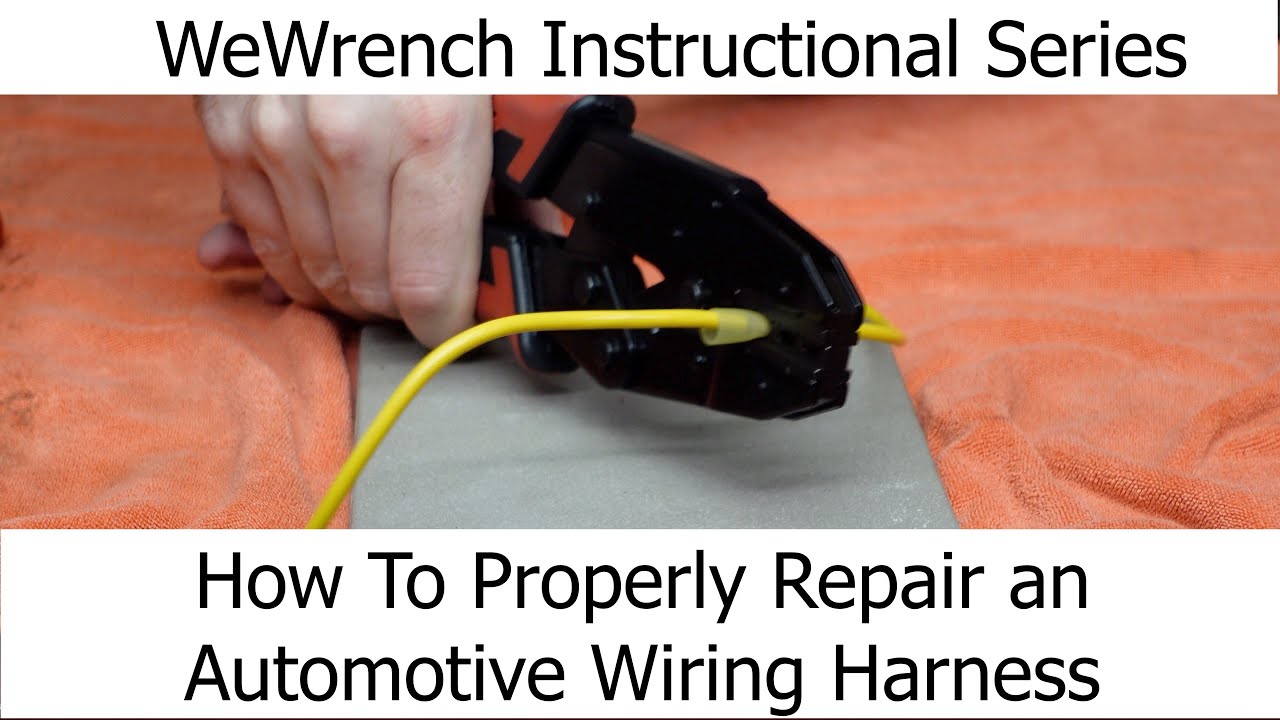
If an impact pinches a wire against the metal frame, you might experience intermittent electrical failures. A technician must inspect the harness routing and connectors. Simply replacing a window regulator will not fix a window that won't move if the wiring harness or the "auto-up" calibration has not been addressed.

Parts Selection: OEM, Aftermarket, and Recycled
The cost of your repair is often dictated by your insurance policy’s language regarding parts.
- OEM (Original Equipment Manufacturer): Parts made by Buick. These are guaranteed to fit and perform to factory specs.
- Aftermarket: Parts made by a third party. While often cheaper, the fit and finish can vary.
- Recycled: A used door from a salvage yard. This is often preferred for older vehicles, but the shop must inspect these for prior repairs or rust before installation.
You should review your policy or speak with your claims adjuster to see if you have an "OEM Parts" endorsement, or if you will be responsible for the price difference between an aftermarket part and a factory Buick part.
What Should You Check Before Accepting the Repair?
Once the shop calls to say your Enclave is ready, do not just check the paint color. Perform a functional "walk-around" to ensure the mechanical integrity of the repair:
- Window Travel: Does the glass move up and down smoothly and quietly?
- Handle Operation: Does the door open easily from both the inside and the outside?
- Latching: Does the door close with a light touch, or do you have to slam it?
- Electronics: Do the power locks, speakers, and window switches work?
- Panel Gaps: Look at the space between the rear door and the B-pillar (the post between the front and back doors). Is the gap even from top to bottom? If it is wider at the top than the bottom, the door shell or the pillar itself may still be misaligned.
Summary Checklist for Owners
- Ask for the Supplement: Ask the shop to show you photos of the "concealed damage" found during teardown.
- Confirm Scans: Ensure the shop performed a diagnostic scan to recalibrate the door electronics.
- Corrosion Protection: If the metal was repaired, ask if a corrosion protection coating was applied to the inside of the door.
- Policy Review: If there is a disagreement over parts (OEM vs. Aftermarket), consult your insurance policy language.
If you suspect that the internal damage was overlooked or that the door does not "feel right" after a repair, consult with a qualified collision professional or your insurance representative for a secondary inspection.



No Comments Yet
Be the first to comment on this article.