Curtis.Castiglione@ROzebra.com

Hidden Damage in 2017 Toyota Tacoma Rear-End Collisions
By Curtis Castiglione
At first glance, the 2017 Toyota Tacoma looks like it can handle a lot. With its high ground clearance and rugged steel bumper, a low-speed rear-end collision often appears to result in nothing more than a dented chrome face bar or a scratched tailgate. Many owners look at their truck after an accident, see that the tailgate still opens, and assume the damage is purely cosmetic.
In the world of collision repair, however, the Tacoma is a prime example of how visible damage is often just the tip of the iceberg. Because of how these trucks are engineered to manage impact energy, what looks like a 1,000 dollar bumper replacement can quickly turn into a 5,000 dollar structural repair.
Why did my repair estimate change after the shop started working?
It is common for an initial insurance estimate—written in a driveway or via photos—to increase significantly once the vehicle is at a repair facility. This is because insurance adjusters typically only write for visible damage.
The real story begins during the teardown. Once the bumper assembly is removed, the shop can inspect the bumper reinforcement—the heavy structural bar behind the cosmetic cover. In a 2017 Tacoma, a hit to the bumper often transfers energy directly into the rear bed panel or the bed floor.
When the shop discovers this hidden damage, they submit a supplement to the insurance company. This is a request for additional funds to cover the repairs that were not visible during the first walk-around. If your estimate changes, it is usually because the shop found that the impact moved further into the vehicle structure than originally anticipated.

The Invisible Bed Floor Deformation
One of the most overlooked issues in a Tacoma rear-end collision is the bed floor. A hard impact can cause the bed floor to crown or buckle near the rear mounting points. This damage is often impossible to see while the bumper is still on the truck. If the bed is not properly inspected and measured, you may end up with a truck that looks fine but has structural compromises.
What to look for:
- Bed-to-Frame Alignment: Are the gaps between the cab and the bed even on both sides?
- Mounting Areas: Is the metal around the bed bolts distorted?
- Rear Panel Squareness: Does the tailgate area look pinched?
The Tailgate: More Than Just a Slab of Metal
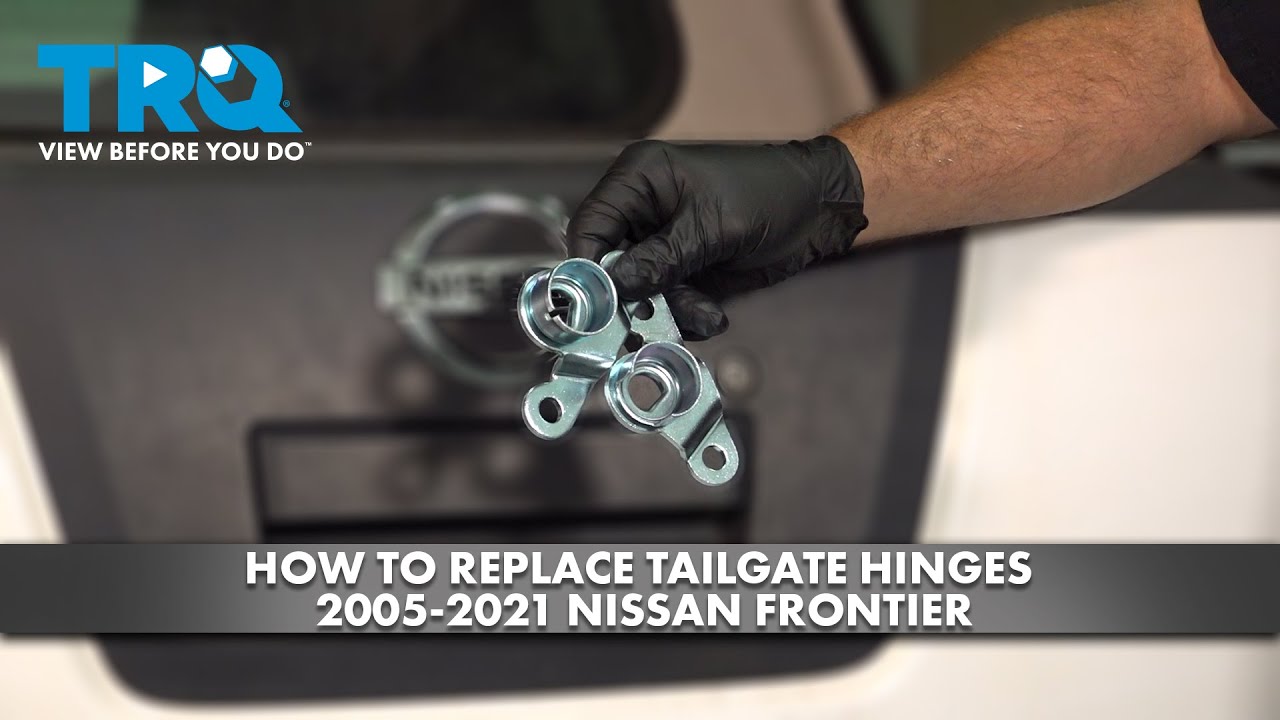
Owners often assume that if the tailgate still opens, it must be fine. This is a dangerous assumption. The 2017 Tacoma tailgate is a precision-aligned assembly. Even if it functions, the impact may have tweaked the hinges, latches, or striker plates. Misalignment of just a few millimeters can lead to:
- Metal-on-metal rubbing: This wears away paint and leads to premature rust.
- Water leaks: If you have a tonneau cover or bed cap, a misaligned tailgate will not seal.
- Rattling: A latch that is slightly out of place will vibrate at highway speeds.
Pinched Wiring and ADAS Sensors
Modern trucks are rolling computers. Behind the bumper of a 2017 Tacoma sits a complex web of electronics that are highly vulnerable to impact.
Rear Wiring Harnesses
The wiring for the tail lamps, license plate lights, and the trailer hitch connection is often routed directly behind the bumper reinforcement. A collision can pinch these wires against the frame. While your lights might work immediately after the crash, a pinched wire can lead to intermittent ghost electrical issues or corrosion weeks down the line.
Blind Spot Monitoring (BSM)
If your Tacoma is equipped with Blind Spot Monitoring or Rear Cross-Traffic Alert, there are radar sensors located behind the bumper corners. These sensors are extremely sensitive. Even if the sensor itself is not cracked, if the mounting bracket is bent by a fraction of a degree, the system will be aimed incorrectly. This requires a diagnostic scan and calibration using specialized software to ensure the safety systems are actually seeing the road.

Insurance Policies vs. Manufacturer Standards
When it comes to paying for the repair, there is often a tug-of-war between insurance allowances and manufacturer requirements. Your insurance policy generally owes to return your vehicle to pre-loss condition. However, insurance companies may push for recycled (used) or aftermarket (non-OEM) parts to save costs.
As the owner, you should know that Toyota provides specific repair procedures via the Toyota Technical Information System (TIS). These guidelines dictate how high-strength steel should be handled and how the bed should be measured. If an insurance company refuses to pay for a necessary diagnostic scan or a specific repair procedure required by Toyota, the shop should provide position statements from the manufacturer to justify the cost.
What should I do if I suspect hidden damage?
If you are involved in a rear-end collision, do not settle the claim based solely on a preliminary photo estimate. Take these practical steps:
- Demand a Teardown: Ensure the shop removes the bumper and tailgate to inspect the underlying structure before the final repair plan is set.
- Ask Specific Questions: Ask the technician, "Have you checked the bed floor for crowning?" and "Have the tailgate hinges been checked for binding?"
- Check the Wiring: Insist that the trailer plug and rear wiring loom be inspected for cracks or pinched insulation.
- Verify Calibrations: If your truck has sensors in the bumper, ensure the estimate includes a Pre- and Post-Repair System Scan.
- Review the Gaps: Before accepting the truck back, check the gaps between the tailgate and the bedsides. They should be uniform.
The Bottom Line: A 2017 Toyota Tacoma is a body-on-frame vehicle, but that does not make it indestructible. Impact energy has to go somewhere, and it usually goes straight into the bed floor and the electrical system. Professional documentation—including high-resolution photos of the area behind the bumper—is your best tool for ensuring your truck is restored to its original safety, function, and value.



No Comments Yet
Be the first to comment on this article.