Curtis.Castiglione@ROzebra.com
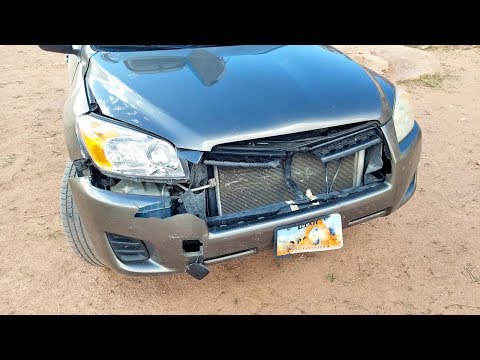
Hidden Damage: 2020 Toyota Highlander Front Collision Repairs
By Curtis Castiglione
It is a common and often frustrating scenario for a 2020 Toyota Highlander owner. You are involved in what feels like a minor front-end bump. You receive an initial insurance estimate based on photos or a quick parking lot inspection that suggests a simple bumper and grille replacement. A few days later, the repair facility calls to inform you that the cost has doubled or even tripled.
This jump in price is not necessarily a sign of a dishonest shop. In the world of modern collision repair, it is the result of moving from a visual estimate to a blueprint for repair.
The Illusion of the Bumper-Only Claim
Modern vehicles like the 2020 Toyota Highlander are designed with plastic memory. The front bumper cover is a flexible plastic skin intended to withstand minor impacts and return to its original shape. While the outside may only show a few scuffs or a small crack, the rigid components hidden behind that plastic do not flex—they break.
Until a technician performs a teardown—the process of removing the bumper cover and trim—the true extent of the damage remains a mystery. A professional shop identifies these issues during the disassembly phase to ensure the vehicle is restored to its factory safety standards.
The Cooling Stack: Why Hidden Damage is Mechanical Damage
Directly behind the grille of your Highlander is a tightly packed cooling stack. These components are vital to your vehicle’s engine health and passenger comfort. Because they are made of lightweight materials, they are easily compromised in a collision.
- A/C Condenser: This sits at the very front. Because it is made of thin aluminum to dissipate heat, it is incredibly fragile. A condenser can be bowed or have cracked mounting tabs without leaking refrigerant immediately, but it is no longer structurally sound and will eventually fail.
- Radiator: Located behind the condenser, the radiator can suffer side tank failures. The plastic tanks on the side of the radiator can crack under the pressure of a shifting radiator support, leading to coolant leaks and engine overheating.
- Radiator Support: This is the framework that holds the entire cooling system in place. On the 2020 Highlander, if this support is pushed back even a few millimeters, it can cause the cooling fans to rub or prevent the hood from latching safely.
- Cooling Fans and Shrouds: These plastic assemblies can suffer hairline fractures upon impact. If not replaced, these fractures can lead to a total cooling failure weeks after the accident.

The Role of Sensors and ADAS
The 2020 Toyota Highlander is a high-tech machine equipped with Advanced Driver Assistance Systems (ADAS). This includes the millimeter-wave radar used for Adaptive Cruise Control and the Pre-Collision System.
These sensors are often mounted directly behind the Toyota emblem or within the grille structure. They are calibrated to a fraction of a degree. If a mounting bracket is bent or the radiator support is slightly out of alignment, the safety system may shut down or provide false positives while you are driving.
Insurance companies rarely include the cost of diagnostic scans or sensor calibrations on an initial estimate because they cannot verify the need until the vehicle is in a controlled shop environment. These digital repairs require specialized software and labor time, which adds to the final bill.
Understanding the Insurance Supplement Process
If the shop finds damage not listed on the original insurance estimate, they file a supplement. This is a standard part of the collision repair process where the shop and the insurer reconcile the actual cost of the repair.
- Documentation: The shop takes photos of the hidden damage, such as a cracked radiator tab or a bent sensor bracket.
- Verification: The shop references Toyota’s official repair procedures to prove why a part must be replaced rather than repaired.
- Approval: The insurance adjuster reviews the evidence. While your policy typically covers the cost to return the vehicle to its pre-accident condition, the adjuster must see physical proof of the damage before authorizing payment.
Parts Quality and Manufacturer Standards
Another reason for an estimate increase involves the type of parts used. An initial insurance estimate may be written using aftermarket or recycled parts to save costs.
However, for a 2020 Highlander, specific components—especially those related to the cooling system and ADAS sensors—often require OEM (Original Equipment Manufacturer) parts to ensure the vehicle’s safety systems function correctly. If the shop determines that an aftermarket part does not meet the manufacturer’s specifications for a safe repair, they must negotiate the price difference with the insurer.
What Should You Do?
If your repair estimate has increased significantly after the teardown, do not panic. Instead, ask the shop the following practical questions:
- Was the radiator support measured? This ensures the structural integrity of the front end and that all components will line up correctly.
- Was the cooling system pressure-tested? This is the only way to be certain there are no hairline leaks in the radiator or condenser.
- Were the ADAS sensors inspected and scanned? You want to ensure your safety technology is fully functional before you get back on the road.
- Can I see the damaged parts? A professional shop will be happy to show you the cracks or bends that were hidden behind the bumper.
Final Thought
While insurance coverage and state laws vary, the goal of a quality repair is to restore your vehicle to its pre-accident condition—both aesthetically and mechanically. A higher secondary estimate is often a sign of a thorough inspection. It means the shop is prioritizing your Highlander’s long-term safety and performance over a quick, cosmetic fix.
Disclaimer: Insurance policies and state regulations vary. Review your specific policy and consult with your insurance carrier and a qualified collision professional regarding your claim and repairs.



No Comments Yet
Be the first to comment on this article.