Curtis.Castiglione@ROzebra.com

Handling Missing Repairs on Insurance Estimates
By Curtis Castiglione
It is a common misconception that the first estimate you receive from an insurance company is the final word on what it will cost to fix your car. In reality, the initial estimate—whether provided by a field adjuster or generated through a photo-based mobile app—is often just a preliminary 'blueprint' for the repair.
If you look at your estimate and realize it is missing necessary repairs, you are likely dealing with a standard part of the collision repair process known as a supplement.
Why Is the Initial Estimate Missing Items?
The initial insurance estimate is typically based on a visual inspection of the exterior of the vehicle. Insurance adjusters are generally trained to write for what they can see without taking the car apart. However, modern vehicles are designed with complex energy-management systems.
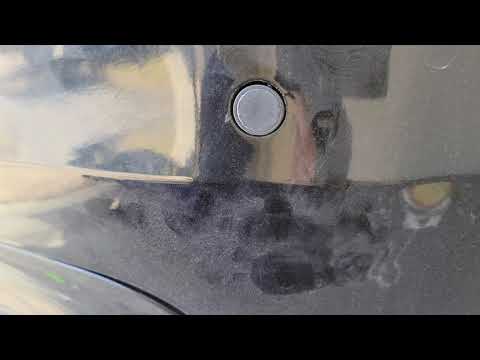
When a car is hit, the outer plastic bumper cover may spring back into its original shape, making the damage look minor. Meanwhile, the steel reinforcements, energy absorbers, sensors, and mounting brackets underneath may remain crushed or broken. Because the adjuster did not perform a 'teardown' (disassembling the damaged area), those hidden items are naturally omitted from the first check.

Step 1: Compare the Estimate with the Actual Vehicle
The first thing you should do is take the insurance estimate to a professional repair facility and walk around the vehicle with a technician. Ask the repair facility to identify any missing operations and explain why they are necessary for a safe and complete repair.
Common Examples of Missing Operations:
- ADAS Calibrations: An estimate might include the price of a new front bumper cover but omit the necessary calibration of the radar sensor or camera located behind or near that bumper. Without this calibration, your automatic emergency braking or adaptive cruise control might fail or behave unpredictably.
- Wheel Alignments: An adjuster might list the replacement of a bent control arm but fail to include a four-wheel alignment. In modern vehicles, an alignment is not just a suggestion; it is often required to reset steering angle sensors that communicate with the vehicle's electronic stability control (ESC) system.
- Pre- and Post-Repair Scans: Most manufacturers require a diagnostic scan of the vehicle’s computers to identify 'soft codes' or faults that don't trigger a dashboard light but indicate damaged electrical components.
Step 2: The Supplement Process
When these omissions are identified, the repair facility must document the additional work. This is the 'supplement' process. Rather than simply arguing over a dollar amount, a reputable shop will focus on documenting the repair requirement.
To get these missing items covered, the shop should provide the insurer with:
- Digital Photographs: Clear photos of the hidden damage revealed after the bumper or trim was removed.
- Diagnostic Reports: Diagnostic Trouble Code (DTC) reports from pre-repair scans showing electronic failures.
- Manufacturer (OEM) Procedures: Technical service bulletins or specific repair instructions from the vehicle manufacturer that prove a certain step (like a calibration or a structural pull) is mandatory.
- Measurements: 3D frame measurements if the vehicle's structural integrity is in question.
Understanding the Relationship: Who Pays the Shop?
A frequent mistake vehicle owners make is assuming the insurance company is the one 'hiring' the shop. In reality, the contract for repairs is between you and the repair facility. The insurance policy generally states the insurer will pay for the 'loss'—the cost to return the vehicle to its pre-accident condition—subject to your deductible and policy limits.
If you find yourself in a situation where the insurance company refuses to pay for a procedure the manufacturer requires, you should:
- Ask for the denial in writing: Ask the insurer to cite the specific reason or policy provision they are using to deny the repair procedure.
- Consult your policy: Look for the 'Right to Appraisal' or 'Appraisal Clause.' This provision is designed to resolve disputes between you and the insurer regarding the actual dollar amount of the loss.
- Check State Regulations: Insurance regulations vary by state; some states have specific laws regarding the use of OEM parts or the requirement to follow manufacturer repair standards.

Common Mistakes to Avoid
- Cashing the Check and Assuming It Is Over: Do not assume that because you cashed the initial check, you are responsible for any additional costs. In most cases, the insurance company will issue a supplemental payment directly to the shop once the additional damage is verified.
- Authorizing Repairs Without an Approved Supplement: If there is a significant discrepancy between the shop and the insurer, wait until the documentation has been reviewed before giving the final 'go-ahead' to avoid unexpected out-of-pocket expenses.
- Ignoring Non-Visible Damage: Just because the car 'drives straight' does not mean the repair is complete. If the manufacturer requires a calibration or a scan, ensure it is performed.
The Bottom Line
Your goal is a safe, proper repair that restores your vehicle’s structural integrity and electronic safety features. If your estimate is missing operations like sensor calibrations, structural pulls, or mechanical scans, do not ignore them.
A reputable repair facility will handle the technical documentation, ensuring that the vehicle is restored according to professional standards rather than just the initial visual estimate. If you are unsure about the items on your estimate, consult your repair facility or a qualified professional to ensure nothing vital to your safety has been overlooked.



No Comments Yet
Be the first to comment on this article.