Curtis.Castiglione@ROzebra.com

Guide to Salvage and Rebuilt Title Cars
By Curtis Castiglione for ROzebra.com Date: August 9, 2026
Imagine finding a 2024 luxury SUV with low mileage for $20,000 less than its market value. For many car buyers, the allure of a salvage or rebuilt title vehicle is the promise of a premium driving experience at a fraction of the cost. However, in the world of automotive finance, if a deal looks too good to be true, it usually carries a branded title.
Choosing the right vehicle is one of the most significant financial decisions you will make. While the upfront savings of a rebuilt car are undeniable, the long-term costs—ranging from insurance headaches to safety concerns—can quickly erode that initial value. At ROzebra, we believe in transparency. This guide breaks down whether a branded title vehicle is a savvy financial strategy or a mechanical minefield.
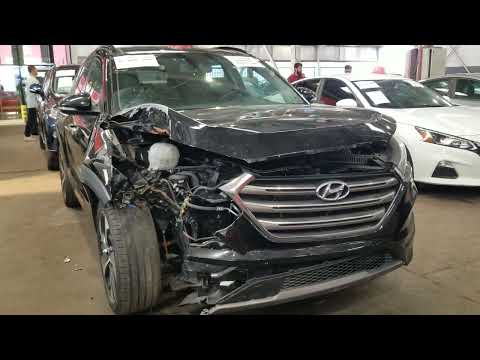
Key Factors to Consider
Before you sign a bill of sale for a car with a checkered past, you must evaluate these four critical pillars of branded title ownership.
1. Title Classification: Salvage vs. Rebuilt
It is vital to understand the terminology before browsing the classifieds.
- Salvage Title: This is issued when an insurance company deems a vehicle a total loss, usually because repair costs exceed 70% to 100% of its actual value. You cannot legally drive or insure a salvage vehicle.
- Rebuilt Title: This title is issued after a salvage vehicle has been repaired and passed a state-mandated safety inspection. Only rebuilt titles are road-legal.
2. Insurance and Financing Hurdles
This is often the biggest deal-breaker for the average consumer. Most major insurance carriers will not provide full coverage (collision and comprehensive) for a rebuilt vehicle. You may be stuck with liability-only coverage, meaning if you cause an accident, your own car’s repairs are not covered. Similarly, traditional banks rarely offer auto loans for branded titles. If you find a lender, expect high interest rates and a requirement for a large down payment.

3. The Nature of the Damage
Not all total losses are created equal. A car totaled due to a massive front-end collision is a high-risk purchase due to potential frame misalignment. However, cars totaled due to hail damage, theft recovery (where the car was found after the owner was already paid out), or minor cosmetic damage on an older vehicle can be diamonds in the rough.
4. Professional Inspections
Never buy a rebuilt vehicle based on a verbal assurance or a shiny paint job. You must perform a Pre-Purchase Inspection (PPI) with a mechanic who specializes in frame and structural repair. They can check if airbags were properly replaced and if the crumple zones (parts of the car designed to absorb impact) are still intact.

Top Scenarios for Branded Titles
Because every rebuilt car is unique, we have categorized the three scenarios where buying a branded title vehicle makes the most financial sense.
Scenario 1: The Cosmetic-Only Total Loss (Best Overall Value)
This occurs when a vehicle is mechanically perfect but suffered localized damage that was too expensive for an insurer to fix, such as extensive hail dents or a high-end paint job ruined by vandalism.
- Pros: Mechanical systems remain factory-original; no structural or frame compromises; highest likelihood of long-term reliability.
- Cons: Often has minor lingering visual imperfections; resale value is still significantly hampered by the title brand.
Scenario 2: The High-Mileage Beater (Best Budget Option)
Older cars with high mileage are often totaled for very minor accidents because their book value is so low. A $3,000 car might be totaled over a broken headlight and a dented fender.
- Pros: Extremely low entry price (often 50% below market); ideal for student drivers or short urban commutes; low expectations for resale value allow you to drive it until it dies.
- Cons: Higher likelihood of hidden wear and tear; may lack modern safety features found in newer rebuilt cars.
Scenario 3: The Dedicated Off-Road or Track Toy (Best for Enthusiasts)
If you are looking for a vehicle that will be modified and likely dinged up on trails or race tracks, a rebuilt title is a smart way to save money on the shell of the car.
- Pros: Drastic savings on the base vehicle allows for a larger modification budget; resale value is less relevant in the enthusiast community; frame reinforcements are often part of the modification process anyway.
- Cons: Not ideal for a daily driver; difficult to sell to the general public later.

Pros and Cons Summary
Pros:
- Significant Savings: 30% to 50% off market price.
- Higher Trim Levels: Own a luxury model for a budget price.
- Long-term Use: Great for those who drive cars until they die.
- Lower Tax and Registration: Costs are often based on the lower sale price.
Cons:
- Poor Resale: Very low trade-in or resale value.
- Insurance Issues: Difficulty obtaining full coverage.
- Safety Risks: Potential for hidden structural damage or faulty safety systems.
- Voided Warranties: Most manufacturers void factory warranties on branded titles.
Frequently Asked Questions (FAQs)
Can I trade in a rebuilt title car at a dealership?
Most franchise dealerships (like Ford, Toyota, or BMW) will refuse to take a branded title as a trade-in because they cannot sell them on their main lots. You will likely have to sell it privately or to a specialized 'buy here, pay here' lot for a very low price.
Is a rebuilt title car safe for my family?
It can be, but only if the repairs were done by a certified professional. The primary risk is the hidden safety features, such as whether the SRS (Airbag) modules were replaced with genuine parts or if the frame was straightened to factory specifications.
How do I check the history of a salvage car?
Always run a VIN check through services like Carfax or AutoCheck. Look specifically for 'structural damage' or 'airbag deployment' notations. These are major red flags compared to 'hail damage' or 'theft recovery.'
Conclusion / Final Verdict
Are rebuilt or salvage title cars a good deal? The answer is a cautious 'yes,' but only for a specific type of buyer. If you are looking for a car to keep for 10 years, have the cash to buy it outright, and have a trusted mechanic to verify the repairs, the savings can be life-changing.
However, if you plan to trade the car in within a few years, or if you rely on traditional financing and premium insurance coverage, the 'deal' will eventually cost you more than you saved. For the average consumer, a clean-title vehicle with higher mileage is almost always a safer financial bet than a low-mileage vehicle with a branded title.



No Comments Yet
Be the first to comment on this article.