Curtis.Castiglione@ROzebra.com
Ford Remote System Diagnostics
Learning Outcomes
- Distinguish between power supply failure and internal circuit damage.
- Isolate transmitter faults using secondary key validation.
- Execute security handshake protocols for new key synchronization.
Fob Diagnostics and Replacement Procedures

Ford fobs are precision transmitters. When entry fails, verify the power source immediately. Low voltage triggers signal dropouts and reduced range. If a fresh battery fails, suspect internal hardware. Physical impact or moisture compromises the circuit board. These electronic failures often mimic vehicle-side receiver defects.
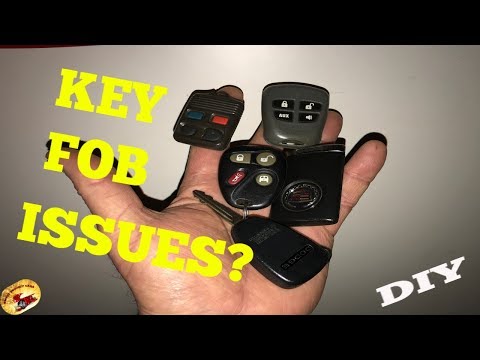
Do not jump to module teardowns. Validate the vehicle using a secondary key. If the spare operates, the primary key is dead. Replacement demands a digital handshake. New fobs must sync with the security system via software or manual sequences. Without this link, the immobilizer remains active. Stop chasing wiring ghosts. Confirm transmitter integrity before condemning vehicle modules.
- Measure battery voltage against manufacturer specifications.
- Test frequency output with a signal reader or backup key validation.
- Inspect the internal PCB for cracked solder joints or moisture ingress.
- Execute model-specific programming sequences to link new hardware.
Pro-Tip: Always test the backup key first to eliminate the vehicle's receiver as a potential fault source.



No Comments Yet
Be the first to comment on this article.