Curtis.Castiglione@ROzebra.com
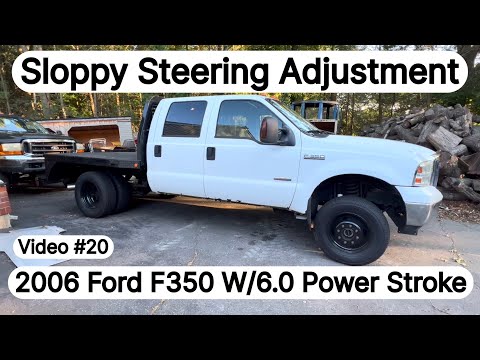
Ford F-150 Steering Collision Damage
Written by Curtis Castiglione
It is a common and frustrating scenario: Your 2018 Ford F-150 is involved in a low-speed corner impact. To the naked eye, the damage looks like a fender bender—a dented bumper, a scuffed fender, and perhaps a scraped wheel. You receive an initial insurance estimate for 2,000 dollars.
However, once the truck arrives at the repair facility and the teardown begins, the estimate jumps to 7,000 dollars or more. This is not price gouging; it is a reflection of how modern pickup trucks are engineered. On a 2018 F-150, the steering system is often the silent victim of front-end impacts.
Why did my estimate change after the insurance company already looked at it?
When an insurance adjuster or appraiser writes an initial estimate, they are usually performing a visual inspection of the exterior. This is known as a preliminary estimate. It covers what is clearly visible without taking the vehicle apart.
In a front-corner hit, the most significant damage is often hidden behind the wheel and tire. The wheel acts as a large lever. When an object strikes the tire or the rim, that force is transmitted directly through the tie rods and into the steering rack. Because the 2018 F-150 uses a sensitive electric steering gear rather than a traditional hydraulic pump system, internal electronic sensors and gear teeth can be damaged by a shock load that leaves no mark on the outside of the steering rack housing.
Once the vehicle is on a lift and the wheels are removed, the technician performs a supplement. This is the process of documenting additional damage found during the teardown. They may find bent control arms, stressed steering knuckles, or a notched steering rack. These findings are documented with photos and diagnostic reports to prove to the insurance company that the costs are a direct result of the accident, not pre-existing wear and tear.
How does a shop prove the steering rack is damaged?
The most critical tool in diagnosing hidden collision damage is not a wrench—it is the wheel alignment machine.
If a truck has been hit in the front corner, a technician will perform a diagnostic alignment check early in the process. An alignment report acts as a medical scan for your truck's suspension.
- Toe, Camber, and Caster: If these readings are out of manufacturer specifications and cannot be corrected by standard adjustments, it is a physical guarantee that a component is bent or displaced.
- Internal Damage: If the steering wheel is off-center but the tie rods look straight, the force may have caused the internal gears of the electric steering rack to jump or become notched.
Ford provides specific inspection procedures following a collision. If an impact is sufficient to bend a suspension component, the manufacturer often requires the replacement of the steering rack as a safety precaution. Internal fractures in the gear housing or electronic sensors cannot be seen without destroying the unit, making replacement the only way to ensure safety.

The Complexity of Electric Power Steering (EPS)
The 2018 F-150 does not use a traditional hydraulic pump system. Instead, it features a sophisticated Electric Power Steering (EPS) system. This system is integrated into the vehicle's computer network and works in tandem with:
- Stability Control
- Anti-lock Braking System (ABS)
- Advanced Driver Assistance Systems (ADAS) such as Lane Keeping Assist
Because the EPS is a computer-controlled component, it often requires a complex software flash or programming to marry a new rack to the truck's VIN.
Why can't I use cheaper aftermarket parts for steering?
Insurance policies often allow for Like Kind and Quality (LKQ) or aftermarket parts to control costs. However, steering is a safety-critical system.
If an aftermarket part or a recycled (used) steering rack does not meet the exact electronic specifications of the Original Equipment Manufacturer (OEM), the truck's safety systems may malfunction. Many shops insist on OEM steering components for liability and safety reasons—a used rack from a salvaged truck may have its own internal silent damage from a previous crash.
What happens if the insurance company refuses to pay for a new steering rack?
Disagreements between repair shops and insurers are common regarding mechanical damage. An insurer may claim the steering rack failure is a mechanical breakdown unrelated to the accident.
To counter this, your shop must provide point of impact documentation. This maps out the path of the force: from the bumper to the wheel, through the tie rod, and into the rack.
If you find yourself in a dispute:
- Review your policy: Look for the Right to Repair and Appraisal Clause sections.
- Consult the experts: You may need a third-party appraiser to bridge the gap between what the insurance wants to pay and what the manufacturer requires for a safe repair.
- Manufacturer Position Statements: Ask the shop for Ford's official repair position regarding steering system inspections after a collision.

What should I do if my truck feels different after a repair?
If you pick up your vehicle and the steering feels notched, heavier than usual, or if the truck pulls to one side, the repair is not complete.
Ask the shop for the final alignment report. This document shows Before and After measurements. If the After measurements are still in the red (out of spec), or if the technician had to max out the adjustments to get it into the green, there is likely a bent component that was missed, such as a steering knuckle or wheel bearing.
Practical Steps for the F-150 Owner
Before authorizing the final stages of a repair, ask the shop these four questions:
- Did you perform a diagnostic scan? Check for codes in the Power Steering Control Module (PSCM).
- What did the alignment readings show? Request a copy of the printout for your records.
- Were the steering knuckle and wheel bearing inspected? These parts often suffer silent damage that leads to humming noises or vibration weeks after the repair is closed.
- Was the Steering Angle Sensor (SAS) recalibrated? If the computer is not told the wheels are straight, it may trigger phantom braking or warning lights.
A front-end collision on a modern truck is rarely just cosmetic. By following the damage through the entire steering system—rather than stopping at the first dented part—you ensure your F-150 remains as safe as the day it left the factory.



No Comments Yet
Be the first to comment on this article.