Curtis.Castiglione@ROzebra.com

Ford 2.7L EcoBoost Sleeper Car Buyer's Guide
By Curtis Castiglione
In an era where every performance car seems to come with aggressive wings, neon brake calipers, and loud exhaust notes, there is a certain tactical advantage to the "sleeper." These are vehicles that hide world-class acceleration under a mundane exterior. They are the ultimate wolf in sheep's clothing—capable of embarrassing sports cars at a red light while looking like they belong in a grocery store parking lot.
At the heart of Ford’s sleeper revolution is the 2.7L EcoBoost V6, internally known as the "Nano." This engine proves that you don't need a massive V8 to achieve blistering performance. This guide breaks down the best vehicles equipped with the 2.7L EcoBoost to help you find the perfect undercover performer for your lifestyle.
Key Factors to Consider Before Buying
Choosing the right sleeper is about more than just checking horsepower numbers. To find a vehicle that provides daily utility, reasonable insurance rates, and high-end performance, consider these four pillars:
1. Drivetrain and Traction
The 2.7L engine produces significant low-end torque—ranging from 380 to 400 lb-ft. In front-wheel-drive (FWD) configurations, this often results in excessive wheel spin. For the best "sleeper" performance, prioritize All-Wheel Drive (AWD) models. AWD ensures that the power actually reaches the pavement, providing the "dig" necessary to catch other drivers off guard.
2. Maintenance History
The Nano engine is generally robust, featuring a compacted graphite iron (CGI) block—the same high-strength material used in heavy-duty diesel engines. However, early models (2015–2017) occasionally suffered from minor oil pan leaks or premature spark plug wear. When buying used, ensure the previous owner followed a strict oil change regimen, as turbochargers are highly sensitive to oil quality.
3. The Stealth Factor
The goal of a sleeper is to blend in. If you want the ultimate disguise, look for trims that lack aggressive "Sport" or "ST" branding. Choosing neutral colors like silver, white, or magnetic gray further helps the vehicle disappear into the background of highway traffic.

4. Fuel Requirements
While these engines are engineered to run on 87-octane gasoline, they are "octane-adaptive." This means they require 91 or 93 octane to reach the advertised horsepower and torque figures. Factor this higher fuel cost into your monthly operating budget if you plan on utilizing the engine’s full potential.
Top Product Picks: The 2.7L EcoBoost Lineup
Best Overall Sleeper: Ford Fusion Sport (2017–2019)
The Ford Fusion Sport is the quintessential sleeper. To the average observer, it is a ubiquitous rental car or a standard commuter sedan. Under the hood, however, it features a 325 hp version of the 2.7L EcoBoost and standard AWD.
- The Punch: 0–60 mph in a staggering 5.1 seconds.
- Pros:
- Virtually indistinguishable from a base-model Fusion.
- Continuously Controlled Damping (CCD) suspension handles potholes and improves cornering.
- Standard AWD provides excellent all-weather grip.
- Cons:
- Small trunk space due to the AWD hardware.
- Short production run makes clean, low-mileage models harder to find.
Best Performance Utility: Ford Edge ST (2019–2024)
If you need to haul a family and groceries but still want to dominate the left lane, the Edge ST is the choice. It offers the highest factory tune for the 2.7L Nano in a crossover body style.

- The Punch: 335 horsepower and 380 lb-ft of torque.
- Pros:
- Hits 60 mph in under 5.7 seconds.
- Performance-tuned suspension and upgraded braking system.
- Large interior volume for daily family duties.
- Cons:
- The "ST" badging and dual exhaust are a slight giveaway to car enthusiasts.
- Higher center of gravity compared to the Fusion Sport.
Best Luxury Sleeper: Lincoln MKZ / Nautilus (2017–2023)
For those who want speed without sacrificing comfort, the Lincoln lineup offers the 2.7L EcoBoost in a very plush package. These vehicles are often overlooked by younger drivers, making them the ultimate "grandpa car" disguise.

- The Punch: Up to 335 hp and 380 lb-ft of torque; an effortless highway passing missile.
- Pros:
- Extremely quiet cabin with active noise cancellation.
- High-quality interior materials like Bridge of Weir leather.
- Soft ride quality that masks its high-speed capabilities.
- Cons:
- Steeper depreciation than Ford-branded counterparts.
- Infotainment systems in older models can feel dated.
Best Surprising Utility: Ford F-150 (2015–Present)
Most people assume a small-displacement V6 in a full-sized truck is for fuel economy only. In reality, a 2.7L F-150 (especially in a lighter configuration) is often quicker off the line than its V8 siblings due to rapid turbo spooling.
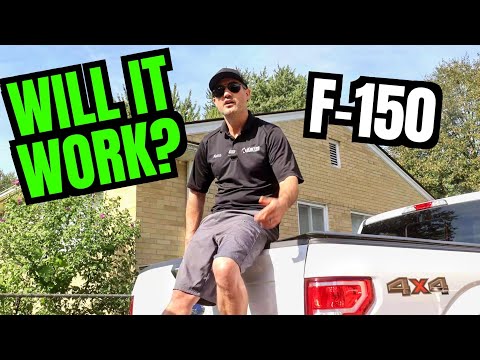
- The Punch: 400 lb-ft of low-end torque available almost instantly.
- Pros:
- The lightest engine option in the F-150 lineup, which notably improves handling.
- Excellent fuel economy for a full-size pickup.
- A "work truck" aesthetic (XL or XLT trim) provides total anonymity.
- Cons:
- Lower max towing capacity compared to the 3.5L EcoBoost or 5.0L V8.
- Engine note lacks the traditional V8 "growl."
Frequently Asked Questions (FAQs)
Q: Is the 2.7L EcoBoost reliable? A: Generally, yes. Because it uses a CGI block, the internal structure is incredibly strong. Most reported issues are related to external sensors or minor oil leaks rather than catastrophic internal engine failure.
Q: Does the 2.7L EcoBoost require premium fuel? A: It is not required, but it is highly recommended for performance. You can run 87 octane safely, but the engine's computer will pull back timing to prevent knock, resulting in a noticeable loss of power.
Q: Can these cars be modified for more power? A: Yes. Because they are turbocharged, a simple ECU "tune" can often unlock an additional 40–60 horsepower without changing any physical parts. However, be aware that this will likely void your powertrain warranty.
Final Verdict
If you want the best balance of speed and invisibility, the Ford Fusion Sport remains the champion of the Nano sleepers. It offers sports-car acceleration in a body style that is completely ignored by law enforcement and other drivers.
For those who need more utility, the F-150 with the 2.7L is a shock to the system for anyone expecting a slow work truck. Regardless of the model you choose, the 2.7L EcoBoost lineup proves that you don't need a flashy exterior to have a powerful, engaging driving experience. For the consumer advocate, these vehicles represent a "cheat code" in the used car market—high performance without the high-performance insurance premiums.



No Comments Yet
Be the first to comment on this article.