Curtis.Castiglione@ROzebra.com

Fluid Leak Management and System Integrity
Course Title: Preventative Fluid Dynamics and System Protection
Learning Outcomes:
- Identify symptoms of fluid depletion before mechanical failure occurs.
- Implement a standard inspection protocol for early-stage leaks.
- Assess the cost-to-risk ratio of deferred seal maintenance.
CRITICAL LEAK MANAGEMENT AND SYSTEM INTEGRITY
Fluid loss is a countdown to mechanical failure. Lubricants serve as the primary thermal and physical barrier for moving parts. When levels drop, friction surges, causing internal components to expand beyond design tolerances.

Minor seepage is manageable, but a dry housing is catastrophic. Damage begins invisibly with microscopic pitting, which advances to scoring and heat-checking. By the time an operator hears grinding or feels vibration, internal tolerances are already compromised.
High-load assemblies like differentials are high-risk zones. These units rely on precise splash lubrication. Low volume causes fluid aeration, reducing the lubricant’s ability to transfer heat. This leads to pitted gears and seized bearings.
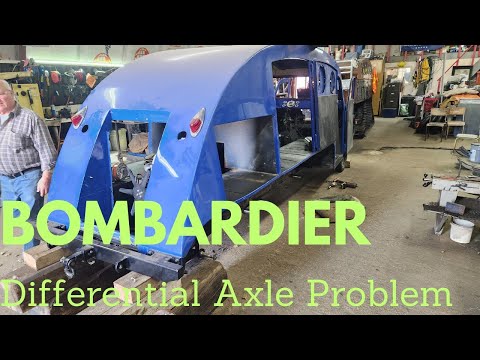
A timely seal replacement prevents a total assembly overhaul. Early intervention preserves the hardened surfaces of internal gears. Ignoring a drip ensures a future component replacement. Catching a leak early allows for sealing point repair before internal damage scales.
- Locate the specific source of seepage or dripping.
- Measure current fluid levels to quantify total loss.
- Inspect fluid for metallic debris or burnt odor.
- Clean the assembly to monitor the leak rate.
- Replace gaskets before mechanical noise develops.
Pro-Tip: A clean housing is a diagnostic tool; wipe down seeps to track the actual rate of fluid loss.



No Comments Yet
Be the first to comment on this article.